
Monthly Cost of Owning a Hot Tub in Colorado (Winter vs. Summer)
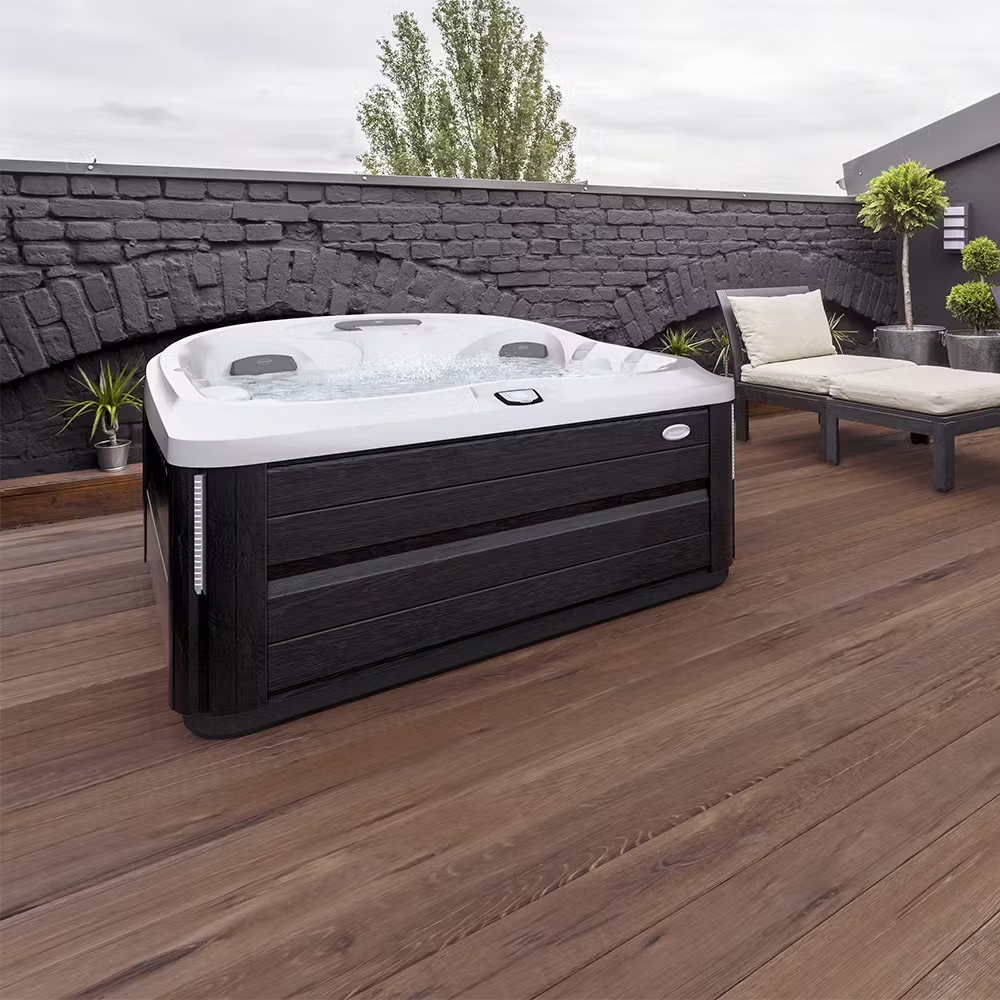
For homeowners comparing the hot tub monthly cost in Colorado, the most important thing to understand is that expenses change with the season, the elevation, the quality of the spa, and how consistently the hot tub is maintained. A hot tub in Colorado is not just a backyard luxury. It is a year-round wellness feature that has to perform through cold mountain nights, dry summer air, snow, wind, and wide temperature swings. While monthly costs vary from one property to another, most owners can plan for recurring expenses such as electricity, water care products, filter maintenance, and occasional service. In winter, the cost is usually higher because the spa works harder to maintain water temperature. In summer, the cost often drops, although water care and usage can still affect the monthly total.
What Goes Into the Monthly Cost of Owning a Hot Tub?
The monthly cost of owning a hot tub is not limited to electricity. Power usage is usually the largest recurring expense, but there are several other costs that should be included in a realistic budget. A well-maintained spa can be surprisingly manageable, especially when it is properly insulated, equipped with a quality cover, and serviced on a regular schedule.
The main monthly cost categories include:
- Electricity to heat and circulate the water
- Water care products such as sanitizer, shock, pH balancers, and test strips
- Filter cleaning supplies or replacement filters
- Water usage for top-offs and occasional drain-and-refill service
- Professional maintenance, if preferred
- Repairs or replacement parts over time
- Accessories such as cover care products, steps, lifters, or replacement pillows
For many Colorado homeowners, a typical monthly ownership range may fall somewhere around $50 to $150 per month for routine operation and care. Premium, energy-efficient models may stay toward the lower end of that range, while older spas, poorly insulated hot tubs, heavy-use spas, or tubs in exposed mountain locations may cost more.
Winter Hot Tub Costs in Colorado
Winter is when Colorado hot tub ownership becomes especially appealing. There is nothing quite like soaking in warm, bubbling water while snow falls around you. However, winter is also when operating costs tend to rise. The colder the air, the harder the spa must work to maintain a comfortable soaking temperature.
In colder months, several factors increase monthly costs:
- Lower outdoor temperatures create more heat loss.
- Snow and ice can reduce cover efficiency if not cleared regularly.
- Wind exposure can pull heat away from the spa cabinet and cover.
- Frequent use increases heat loss when the cover is removed.
- Older covers may absorb moisture and lose insulating power.
- Poor cabinet insulation can make the heater run more often.
In many parts of Colorado, especially mountain communities such as Aspen, Basalt, Carbondale, Glenwood Springs, and surrounding areas, winter temperatures can fluctuate significantly. At higher elevations, cold nights and windy conditions can increase the workload on your spa. If the hot tub is exposed on a deck, patio, or open yard, the impact can be even more noticeable.
A well-insulated hot tub with a tight-fitting cover may only see a moderate winter increase. However, an inefficient spa or one with a damaged cover can become expensive quickly. For winter planning, homeowners may want to budget roughly $40 to $100 or more per month for electricity alone, depending on the spa model, local utility rates, water temperature setting, usage habits, and exposure. Water care costs may add another $15 to $40 per month, depending on the system and maintenance routine.
Summer Hot Tub Costs in Colorado
Summer operating costs are usually lower because the heater does not need to work as hard. Colorado’s sunny days and milder nights help reduce heat loss, and some homeowners lower the set temperature during warmer months. A hot tub set around 98 to 100 degrees may cost less to operate than one kept at 102 to 104 degrees, especially when outdoor temperatures are already warm.
That said, summer ownership still comes with expenses. Hot tubs can see frequent use during summer gatherings, after hiking, after biking, or as part of an outdoor entertaining space. More people using the spa means more sanitizer demand, more filter cleaning, and more attention to water balance.
Summer costs may be affected by:
- Increased guest use
- More sunscreen, body oils, lotions, and debris in the water
- Faster sanitizer demand
- More frequent filter rinsing
- Evaporation from dry Colorado air
- Lower heating demand compared to winter
In summer, many Colorado hot tub owners may see electricity costs drop compared to winter. A reasonable summer planning range may be around $25 to $70 per month for electricity, depending on the model and usage. Water care products may still average around $15 to $40 per month, especially if the hot tub is used often.
Winter vs. Summer: What Is the Difference?
The biggest difference between winter and summer hot tub costs is heat retention. In winter, every time the cover comes off, heat escapes quickly. The heater then has to bring the water back to the set temperature. In summer, the air temperature is closer to the water temperature, so heat loss is slower.
Here is a practical comparison:
- Winter electricity costs are usually higher because of cold air, snow, wind, and longer heating cycles.
- Summer electricity costs are usually lower because outdoor temperatures reduce heating demand.
- Winter water care may be steadier if usage is moderate, but heavy soaking can still increase chemical demand.
- Summer water care may increase if the spa is used for entertaining or if more contaminants enter the water.
- Winter cover condition is critical for controlling energy costs.
- Summer evaporation and water balance may require more attention in dry climates.
For homeowners in the Roaring Fork Valley, winter performance matters. Choosing a hot tub built for mountain living can make a major difference in comfort, efficiency, and long-term value.
How Electricity Rates Affect Hot Tub Costs
Electricity rates are one of the main reasons hot tub operating costs vary from home to home. Even two homeowners with the same spa model can have different monthly costs if they are served by different utility providers or use the spa differently. Colorado’s residential electricity rates can change over time, so it is wise to check your most recent utility bill when estimating your monthly ownership cost.
A simple way to estimate electricity cost is to multiply your spa’s monthly kilowatt-hour usage by your electric rate. For example, if a hot tub uses 300 kWh in a colder month and the local rate is about 16 cents per kWh, the electricity cost would be around $48 for that month. If winter usage rises to 500 kWh, the cost would be around $80. These are examples only, but they show why insulation, cover quality, and usage habits matter.
Water Care and Chemical Costs
Water care is a consistent part of hot tub ownership in every season. Keeping the water clean, balanced, and comfortable protects both the people using the spa and the equipment inside it. Neglecting water chemistry can lead to cloudy water, odors, scale, corrosion, and premature wear on pumps, heaters, jets, and plumbing components.
Common water care costs include:
- Sanitizer
- Shock oxidizer
- pH increaser or decreaser
- Alkalinity adjuster
- Calcium hardness products
- Test strips or digital test supplies
- Filter cleaner
- Clarifier or enzyme products when needed
A typical monthly water care budget may range from $15 to $40 for many owners. Some systems may cost more or less depending on the sanitizing method, water quality, usage level, and personal preferences. In areas with mineral-heavy water or challenging fill water, professional guidance can help reduce trial and error.
Filter Maintenance and Replacement
Filters are easy to overlook, but they play a major role in water clarity and equipment protection. A dirty filter makes the circulation system work harder and can reduce water quality. Most hot tub owners should rinse filters regularly and deep clean them periodically.
Monthly filter-related costs are usually modest, but replacement filters should be included in the annual budget. Depending on the spa, filter size, and usage level, filters may need replacement every 12 to 24 months. Heavy-use spas may need replacements sooner.
To keep filter costs under control:
- Rinse filters as recommended.
- Keep a spare filter on hand.
- Rotate filters to allow proper drying between uses.
- Use filter cleaner instead of household cleaners.
- Replace worn or damaged filters promptly.
Water Usage and Drain-and-Refill Costs
Hot tubs use less water than pools, but water still factors into monthly ownership. Water is lost through evaporation, splash-out, and periodic maintenance. In Colorado’s dry climate, evaporation can be noticeable, especially if the cover is left open for long periods.
Most spas also need to be drained and refilled periodically. The schedule depends on usage, water chemistry, and the size of the tub. Many homeowners drain and refill every three to four months, although some may need to do it more often.
Water costs are usually not the largest monthly expense, but water quality affects everything. Fresh, balanced water helps the sanitizer work properly, improves comfort, and reduces wear on equipment.
Professional Service Costs
Some homeowners prefer to handle water care themselves. Others choose professional service for convenience, consistency, or peace of mind. Professional maintenance can be especially helpful for second homes, vacation properties, rental properties, and mountain homes where access may be seasonal or inconsistent.
Professional service may include:
- Water testing and balancing
- Filter cleaning
- Cover inspection
- Equipment checks
- Drain-and-refill service
- Startup or winter support
- Troubleshooting and repairs
The cost of professional service varies depending on frequency, travel area, spa condition, and what is included. While it adds to the monthly budget, it can also help prevent expensive problems caused by neglected water chemistry or unnoticed equipment issues.
Factors That Can Increase Monthly Hot Tub Costs
Some hot tubs cost more to operate than others. In Colorado, the surrounding environment can make these differences even more obvious.
Monthly costs may increase if:
- The spa has poor insulation.
- The cover is damaged, waterlogged, or does not seal tightly.
- The hot tub is placed in a windy or exposed location.
- The water temperature is kept very high.
- The spa is used frequently in freezing weather.
- The filters are dirty.
- Water chemistry is neglected.
- The hot tub is older or inefficient.
- The cabinet has air leaks or worn components.
A high-quality spa may cost more upfront, but it can provide better efficiency, comfort, and reliability over time. For Colorado homeowners, the purchase decision should account for long-term ownership, not just the initial price.
Ways to Lower Your Monthly Hot Tub Costs
A few smart habits can help control monthly costs without sacrificing comfort.
Consider these cost-saving tips:
- Keep the cover closed when the spa is not in use.
- Replace a heavy, cracked, or waterlogged cover.
- Use a cover lifter to make proper cover use easier.
- Maintain a consistent water temperature instead of making large adjustments.
- Lower the temperature slightly during lower-use periods.
- Clean filters regularly.
- Keep water balanced to protect equipment.
- Add wind protection if the spa is in an exposed location.
- Schedule regular service to catch small issues early.
- Choose an energy-efficient model designed for cold-weather performance.
The cover is one of the most important cost-control tools. A quality cover helps trap heat, reduce evaporation, and protect the water from debris. In winter, a poor cover can waste energy every day.
Is a Hot Tub Worth the Monthly Cost?
For many Colorado homeowners, the answer is yes. A hot tub can support relaxation, recovery, family time, and year-round outdoor living. In mountain communities, it can also extend the use of outdoor spaces into colder months. The key is choosing the right spa and maintaining it correctly.
A hot tub is more than a monthly utility expense. It can become part of a daily wellness routine, a gathering place after skiing or hiking, and a comfort feature that makes a home more enjoyable throughout the year. When buyers plan ahead for monthly costs, they are better prepared to enjoy the benefits without surprises.
FAQ
How much does it cost per month to run a hot tub in Colorado?
Many homeowners can expect routine monthly costs to fall around $50 to $150, depending on the spa, season, electric rate, usage, water care routine, and whether professional service is included.
Is a hot tub more expensive to run in winter?
Yes. Winter usually costs more because the spa must work harder to maintain temperature in cold air, snow, and wind. A well-insulated hot tub with a good cover can help control winter costs.
How much electricity does a hot tub use per month?
Electricity usage varies widely. A newer, efficient spa may use much less power than an older or poorly insulated model. Weather, cover condition, set temperature, and usage frequency all affect monthly power consumption.
What temperature should I keep my hot tub at to save money?
Many owners keep their spa between 100 and 104 degrees when in regular use. Lowering the temperature slightly during warmer months or low-use periods may reduce costs.
Does turning down the hot tub save money?
It can, especially during extended periods of non-use. However, constantly making large temperature changes may not always be efficient. For frequent use, maintaining a steady temperature is often more practical.
How often should I drain and refill my hot tub?
Many hot tubs are drained and refilled every three to four months, but the schedule depends on usage, water quality, and maintenance habits.
Do hot tub chemicals cost more in summer or winter?
They can cost more in summer if the spa gets heavy use, especially with guests, sunscreen, lotions, and outdoor debris. Winter chemical use may be steadier if usage is moderate.
What is the easiest way to lower hot tub costs?
Start with the cover. Keep it closed, make sure it seals well, and replace it when it becomes heavy, cracked, or waterlogged. Clean filters and balanced water also help the system run efficiently.
Should I hire a professional hot tub service?
Professional service is a good option for homeowners who want convenience, own a second home, rent their property, or want help protecting their investment. It can also reduce the risk of water chemistry mistakes.
Call Ajax Pool & Spa for Hot Tub Solutions in the Roaring Fork Valley
If you are considering a new hot tub or want better performance from your current spa, we are here to help. As a Jacuzzi® hot tubs dealer serving the Roaring Fork Valley, we understand the needs of Colorado homeowners, from winter efficiency to reliable service and long-term comfort. Whether you are comparing models, planning an installation, replacing an old spa, or looking for expert maintenance support, our team can help you find the right solution for your home and lifestyle. Call today and let’s talk solutions.