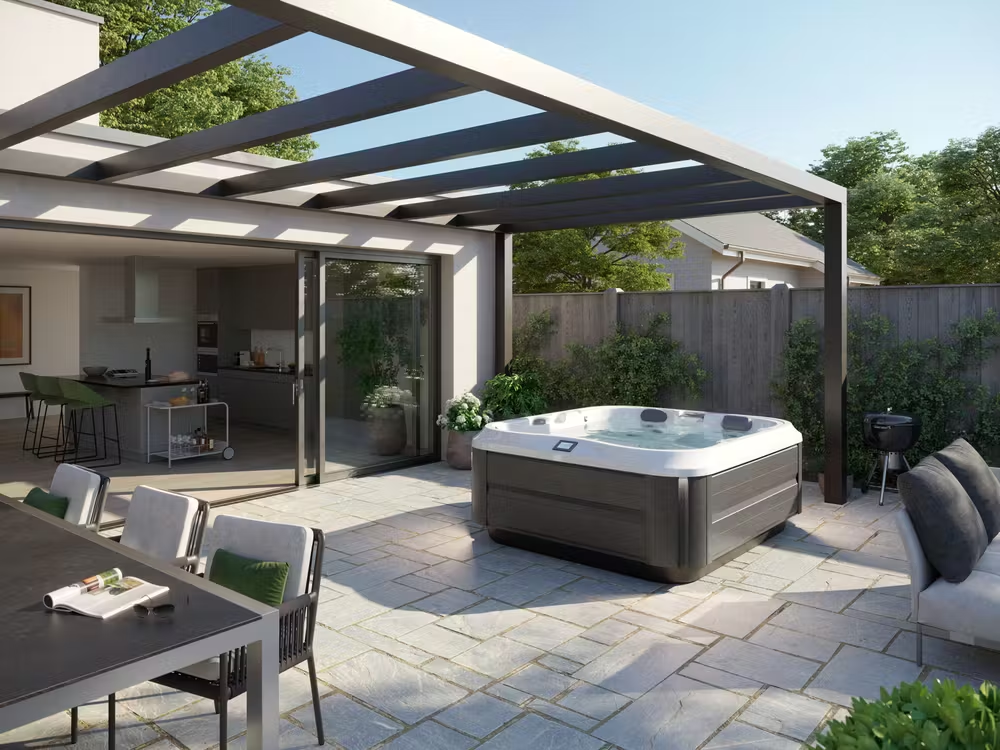
Hot tub installation in Carbondale, CO comes down to five cost drivers: the spa itself, delivery and placement, a level foundation, a dedicated electrical circuit, and permits. Site access and electrical work cause the biggest price swings. Electrical permits are issued by the State of Colorado, not the Town, so plan for both agencies.
This guide walks through each cost factor, the Town of Carbondale’s permit and inspection steps, and the foundation and electrical decisions that matter most at 6,181 feet. Use it to build a realistic budget before you schedule a site visit or request a quote.
How Much Does Hot Tub Installation Cost in Carbondale, CO?
Your total cost is the spa price plus the work needed to get it level, powered, permitted, and in place on your specific lot. Two homeowners who buy the same model can pay very different installation totals because of driveway access, the distance to the electrical panel, and whether a pad or deck has to be built.
Hot tub installation cost factors for Carbondale properties
Cost factor
What it covers
What pushes it higher in Carbondale
Spa model
Seating capacity, jets, insulation, cover, and features
Larger tubs and premium insulation packages built for year-round mountain use
Delivery and placement
Moving the spa from the truck to its final spot
Steep driveways, tight side yards, stairs, fences, or a crane lift over the house
Foundation
Concrete pad, compacted base, or deck reinforcement
Sloped lots that need excavation or retaining work, and decks that need structural upgrades
Electrical
Dedicated circuit, disconnect, wiring run, and state permit
Long wire runs from the panel and older panels without spare capacity
Permits and inspections
Town and state permits for the work tied to the installation
Deck construction, which adds its own permit package and review
For a firm number on your property, schedule a site visit so access, grade, and panel capacity can be checked in person.
What Makes a Carbondale Installation Different?
Carbondale sits at 6,181 feet, in Garfield County near the base of Mount Sopris. That setting shapes three parts of the project:
Winter conditions: Freeze-thaw cycles move unprepared ground, so the foundation and drainage plan matter more than they would at lower elevations.
Lot layout: Slopes, narrow gates, and long carries from the street affect both site prep and the delivery equipment needed.
Jurisdiction: Properties inside town limits work with the Town of Carbondale Building Department. If your address is outside town limits, confirm which agency issues your permits before you apply.
Do You Need a Permit for a Hot Tub in Carbondale?
Plan on it. The Town of Carbondale requires a building permit to construct, enlarge, alter, or repair a structure, and it issues separate permits for plumbing and mechanical work. Electrical permits come from the State of Colorado. The Town adopted the 2021 building codes effective July 1, 2025.
Confirm the exact permits your project needs with the Building Department before work begins. A self-contained tub on a new concrete pad needs a different permit set than a tub going onto a new or modified deck.
How long does Carbondale’s permit review take?
The Town’s published review estimates list one day of administrative review and one to two weeks of building review for plumbing and mechanical permits. Incomplete applications, documentation errors, or staff absences can extend those times.
What does a deck permit require?
Deck projects use their own permit package. The Town’s deck documents include an Impervious Surface Calculations Table with a site plan example, a deck building handout based on the 2021 IRC, and a Homeowner Agreement for Permitting where applicable.
How do you submit and schedule inspections?
Send all permit documents as PDF attachments in a single email, with the project address in the subject line.
Confirm all work is complete before you request an inspection.
Call the inspection line at 970-510-1210 the business day before the inspection you want. The Town asks that requests go to the Building Department line, not to the inspector directly.
Whoever requests the inspection must accompany the inspector and complete any cited corrections before a re-inspection.
Concrete Pad, Gravel, or Deck: Which Foundation Is Best?
A reinforced concrete pad is the most dependable foundation for a hot tub used year-round in Carbondale. It stays flat through freeze-thaw cycles and gives the spa’s frame and shell uniform support. Always build to the pad specifications in your spa manufacturer’s installation guide.
A compacted gravel base can work for some models, but it can shift and settle over time. Uneven support stresses the shell and cabinet, and that wear shows up faster in a climate with repeated freezing and thawing.
A deck is a structural decision, not a placement decision. A filled hot tub with people in it concentrates far more weight than ordinary deck use, so have the deck’s capacity evaluated before the tub goes on it, and include the deck work in your permit plan. Whichever base you choose, route drainage away from the spa’s equipment bay so water can’t pool and freeze there.
What Electrical Work Does a Hot Tub Need?
Most full-size hot tubs are hardwired to a dedicated 240-volt, GFCI-protected circuit installed by a licensed electrician. Your model’s spec sheet lists the required amperage. Some smaller plug-and-play models run on a standard 120-volt outlet instead.
The National Electrical Code requires a maintenance disconnect within sight of the spa equipment and at least 5 feet horizontally from the tub’s inside wall, unless a fence, wall, or other permanent barrier separates them, as EC&M’s NEC Q&A explains. For a fuller look at wiring and clearances, see our guide to hot tub electrical requirements.
In Carbondale, remember the split: the electrical permit and its inspection go through the State of Colorado, while other permitted work goes through the Town.
How Does Carbondale’s Climate Affect Operating Costs?
Cold air, not altitude, drives most of your heating bill. Most hot tubs use electric heaters, and their workload depends on the gap between your water temperature and the outside air. Winter nights in the Roaring Fork Valley widen that gap.
Insulation: Full-foam or high-density cabinet insulation slows heat loss through the sides of the tub.
Cover fit: A thick, tight-sealing cover keeps heat in overnight. A waterlogged or warped cover makes the heater run longer.
Placement: A spot sheltered from prevailing wind loses less heat than an exposed corner of the yard.
Why Work With a Local Roaring Fork Valley Installer?
A local installer knows how valley lots, winter weather, and Town and state permitting fit together, and is close by when the tub needs service. Ajax Pool & Spa has served the Roaring Fork Valley since 1993 from a 5,000 sq. ft. showroom in Basalt, just up Highway 82 from Carbondale. The team brings Certified Pool Operator expertise and has earned 13 Jacuzzi® International Design Awards.
Frequently Asked Questions About Hot Tub Installation in Carbondale
How long does it take to get a hot tub permit in Carbondale?
For plumbing and mechanical permits, the Town of Carbondale estimates one day of administrative review followed by one to two weeks of building review. Deck work uses a separate permit package that can take longer, and the electrical permit comes from the State of Colorado. Incomplete or inaccurate applications are the most common cause of delays, so submit a complete package the first time.
Who issues the electrical permit for a hot tub in Carbondale?
The State of Colorado issues electrical permits for projects in Carbondale, not the Town’s Building Department. Your licensed electrician typically handles that permit and its inspection. Other permitted work tied to the project, such as plumbing, mechanical, or deck construction, goes through the Town of Carbondale.
Do I need to be present for a Carbondale building inspection?
The person who requests the inspection must accompany the inspector, and that person is responsible for completing any corrections the inspector cites before a re-inspection. If your contractor schedules the inspection, they take on that role. Requests go to the Building Department’s inspection line at 970-510-1210 the business day before.
Can I put a hot tub on gravel instead of concrete?
Some models allow a compacted gravel base, but a reinforced concrete pad is the stronger choice for year-round use in Carbondale. Gravel can shift and settle through freeze-thaw cycles, leaving the tub unevenly supported. Check your spa manufacturer’s installation guide, since it lists the foundation types and specifications that keep your warranty valid.
Does Carbondale’s altitude make a hot tub more expensive to run?
Not directly. Most hot tubs use electric heaters, and their energy use depends mainly on the difference between water temperature and outdoor air temperature. Cold winter nights, wind exposure, and a poorly fitting cover raise operating costs far more than elevation does. Good insulation and a tight cover are the most effective ways to keep winter bills in check.
Plan Your Carbondale Hot Tub Installation
A well-planned installation starts with an accurate look at your property. Call Ajax Pool & Spa at (970) 279-5253 or request a quote online, and we’ll help you choose the right spa and map out delivery, foundation, electrical, and permitting for your Carbondale home.
Owning a home in the mountains comes with a lifestyle that is difficult to replicate anywhere else. Crisp evenings, snowy winters, expansive views, and easy access to outdoor recreation are all part of the appeal. A hot tub can make that lifestyle even better. When shopping for hot tubs for mountain homes in Basalt, however, homeowners should consider more than the number of seats or the appearance of the shell.
Elevation, cold temperatures, energy efficiency, insulation, durability, maintenance, and installation requirements can all affect which spa is the right choice. A quality hot tub should feel like a natural extension of your mountain home. Whether you want a relaxing place to unwind after skiing, a comfortable gathering spot for family and friends, or a private retreat where you can enjoy the scenery, choosing the right model can give you years of enjoyment. This buyer’s guide covers the most important factors to consider when selecting a hot tub for a Basalt mountain property.
Why Hot Tubs Are a Natural Fit for Basalt Homes
Basalt sits in Colorado’s Roaring Fork Valley, where residents can enjoy an active outdoor lifestyle throughout the year. After a long hike, a day on the slopes, or an afternoon spent exploring the surrounding mountains, slipping into warm water can be an inviting way to end the day. A hot tub can also make outdoor living areas more useful during colder months. Instead of closing off the patio or deck once temperatures drop, homeowners can continue enjoying their outdoor space throughout much of the year.
For many mountain homeowners, a spa serves several purposes at once:
A place to relax after outdoor activities
A comfortable gathering area for family and guests
A year-round outdoor amenity
An attractive addition to a deck, patio, or landscaped space
A private setting for enjoying mountain views
The key is selecting a model that can handle the environment while delivering the comfort and features you want. A well-chosen hot tub should complement both your property and the way you plan to use it. Taking the time to compare construction, efficiency, comfort, and support can make a major difference in long-term satisfaction.
Look for Excellent Insulation
Insulation should be one of the first things you evaluate when comparing hot tubs for a mountain property. Maintaining warm water requires energy, particularly during cold Colorado winters. A well-insulated spa is designed to retain heat more effectively, reducing the amount of work required from the heating system. Quality insulation can provide several advantages, including more consistent water temperatures and improved energy efficiency.
When talking with a hot tub dealer, ask how individual models are insulated. Do not assume every spa uses the same construction method. The cabinet, plumbing area, shell, and cover can all influence heat retention. A well-made hot tub should be designed as a complete system rather than simply relying on a powerful heater to compensate for heat loss.
Pay Attention to the Hot Tub Cover
The cover is easy to overlook, but it plays an important role in the performance of a mountain hot tub. Because heat rises, the surface of the water can be a significant source of heat loss. A properly fitted, insulated cover helps keep warmth inside the spa when it is not being used. A good cover also helps keep snow, leaves, dirt, and other debris out of the water.
For a Basalt home, consider a cover that is:
Well insulated
Designed for a snug fit
Durable enough for regular outdoor exposure
Easy to secure
Manageable to open and close
It may also be worthwhile to discuss a cover-lifting system. A cover lifter can make opening and closing the spa easier, especially when the hot tub is used frequently. Small conveniences like this can make the spa easier to enjoy throughout the year. They can also encourage more consistent use by reducing the effort required each time you want to get in.
Choose the Right Size for Your Lifestyle
Bigger is not automatically better. The best hot tub size depends on how you plan to use it. A couple who primarily wants a quiet place to relax may prefer a smaller spa with fewer seats. A household that regularly entertains guests may want a larger model.
Before shopping, think about how many people will realistically use the hot tub at the same time. Ask yourself:
Will the spa primarily be used by one or two people?
Do you regularly host family or friends?
Do you want a variety of seating positions?
Will children use the spa?
How much room is available on your deck or patio?
A showroom visit can be particularly helpful when comparing sizes. A spa that appears large in photographs may feel very different once you actually sit in it. Seeing several models in person can make it easier to understand seat depth, interior space, and how comfortable the spa will be for your household.
Consider Seating Style and Comfort
Hot tub seating can vary considerably from one model to another. Some spas use mostly upright seating, while others include lounge-style seats that allow users to recline. Certain models combine both approaches. Neither option is universally better, so the right configuration depends on personal preference.
A lounger may be appealing if you enjoy stretching out and relaxing. Open seating, on the other hand, can provide more flexibility when several people are using the spa simultaneously. Seat depth is another important consideration, since people of different heights may experience the same seat differently. Comfort should ultimately be a major factor in your decision, because you are more likely to use a hot tub regularly if the seats feel natural and supportive.
Evaluate the Jet System
Jets are often one of the most exciting features to compare, but the number of jets does not tell the whole story. Placement, adjustability, water pressure, pump performance, and seat design all influence how a hot tub feels. Some people prefer strong, targeted water movement around areas such as the shoulders and lower back. Others prefer a gentler experience.
When comparing spas, consider where the jets are positioned and whether different seats provide different experiences. Look for models that offer a thoughtful range of jet placements rather than focusing exclusively on the largest possible jet count. A well-designed system should feel balanced and comfortable rather than simply powerful. Testing different seating positions can help you determine which arrangement best suits your preferences.
Prioritize Energy Efficiency
Energy efficiency is especially important when you intend to operate a hot tub throughout the year. The heater, pumps, insulation, cover, plumbing layout, and overall construction can influence operating efficiency. A more efficient hot tub may cost more initially than a basic alternative, but long-term ownership costs should also be part of your decision. Looking beyond the purchase price can help you identify the better overall value.
Ask your dealer about:
Insulation systems
Energy-efficient circulation
Heating performance
Cover construction
Programmable settings
Energy-saving operating modes
It is also useful to discuss how a particular spa performs in colder environments rather than evaluating energy efficiency only under mild conditions. Mountain weather creates different demands than warmer climates. A model designed with cold-weather performance in mind can help provide a more consistent ownership experience through every season.
Think About Winter Accessibility
Imagine walking from your back door to the hot tub on a snowy evening. How far do you want to walk? For mountain homes, convenience matters, and a spa installed near the house may be used much more frequently than one located at the far end of the property. When planning your installation, think about the pathway between the home and the hot tub.
Ideally, the route should be easy to navigate during cold or snowy weather. Lighting can also improve usability, since path lights or nearby exterior lighting can make evening access safer and more inviting. You may also want somewhere nearby to hang robes or towels so that everything you need is within easy reach. These seemingly small details can have a major impact on how enjoyable the hot tub is during winter.
Choose a Location With the View in Mind
One of the advantages of living in Basalt is the scenery, so take advantage of it. Hot tub placement can dramatically affect the overall experience. Before choosing a location, sit or stand in the potential installation area and look at the surroundings from approximately the same height you would have while seated in the spa. This simple exercise can help you picture how the finished space will actually feel.
Consider:
Mountain views
Trees and landscaping
Privacy from neighboring properties
Wind exposure
Proximity to the home
Existing outdoor living areas
A visually appealing location can turn the hot tub into a true destination rather than simply another piece of outdoor equipment. The best placement combines scenery, comfort, accessibility, and practical installation considerations. Thinking about all of these factors together can help you create an outdoor area you will want to use throughout the year.
Do Not Forget Privacy
A sweeping mountain view is wonderful, but most homeowners also want some privacy while using their spa. Depending on the property, privacy can be created through natural or architectural elements. The goal is to create separation from neighboring properties without unnecessarily blocking the views you enjoy. Thoughtful positioning can often provide a good balance between openness and seclusion.
Options may include:
Evergreen landscaping
Decorative privacy screens
Fencing
Pergolas
Strategic spa positioning
Privacy features can also help the hot tub feel more connected to the overall design of your outdoor space. Landscaping, fencing, and structures can be coordinated with the home rather than added as an afterthought. A well-planned setting can make the spa feel more inviting and intentional.
Make Sure the Installation Surface Is Appropriate
A filled hot tub is extremely heavy, so it needs a properly prepared foundation. Depending on the property and spa, installation may involve a concrete pad, engineered deck, or another approved structural surface. Never assume that an existing deck can automatically support a hot tub. The combined weight of the water, spa, and occupants can create substantial structural demands.
If you are considering a deck installation, appropriate professionals may need to evaluate the structure and determine whether additional reinforcement is required. Your hot tub dealer can also explain the manufacturer’s installation requirements for the model you choose. Addressing the foundation early can help avoid complications later. Proper site preparation also supports safer, more reliable long-term use.
Plan for Electrical Requirements Early
Most permanent residential hot tubs require dedicated electrical service. Electrical requirements vary by model, so this is something to address before installation day. A qualified electrician should handle the appropriate electrical work and ensure the installation follows applicable requirements. Planning ahead can prevent delays and help make the delivery and startup process much smoother.
It is helpful to identify your preferred spa model before finalizing electrical work. That way, the electrician can work from the manufacturer’s specific requirements rather than making assumptions. Coordinating the dealer, electrician, and any contractor involved in site preparation can help keep the installation process organized. Good planning is especially valuable for mountain properties where access or weather may complicate construction.
Consider Maintenance Requirements
Every hot tub requires ongoing care, but modern water-care systems can simplify the process. Routine spa maintenance generally involves monitoring water chemistry, sanitizing the water, cleaning filters, maintaining the waterline, and periodically replacing the water. These tasks become much easier once you establish a regular routine. Understanding the basic maintenance requirements before buying can help set realistic expectations.
When comparing hot tubs, ask how the model’s filtration and water-care systems work. You should understand what ownership will require before making a purchase. A knowledgeable local dealer can also be valuable after the sale. Being able to ask questions about water chemistry, replacement filters, maintenance products, or service can make ownership significantly easier.
Look Beyond the Initial Purchase Price
Price matters, but the least expensive spa is not necessarily the least expensive spa to own. When comparing options, think about total value over time. Construction quality, insulation, energy use, maintenance, warranty coverage, and dealer support can all influence the overall ownership experience. A lower upfront price may be less appealing if it leads to higher energy or repair costs later.
Consider:
Construction quality
Insulation
Energy efficiency
Warranty protection
Dealer support
Replacement parts
Maintenance requirements
Expected longevity
Comfort and performance
Buying a hot tub is a long-term investment. Spending more on a well-built spa from an established manufacturer can make sense if it provides better performance, efficiency, reliability, and support. It is often more helpful to compare overall value than to compare price tags alone. A hot tub that performs well for years may ultimately be the more economical choice.
Why Dealer Support Matters in a Mountain Community
Your relationship with the dealer does not necessarily end when the hot tub is delivered. Questions may arise months or years later, and you might need help with water care, replacement parts, seasonal operation, maintenance, or service. Working with a dealer serving the local area gives you access to professionals who understand hot tub ownership in the Roaring Fork Valley. That familiarity can be a major advantage over buying from a distant or online-only seller.
Local knowledge can be particularly valuable when discussing mountain-specific considerations such as cold-weather operation, installation sites, and year-round use. A local dealer can also help you compare models based on how they fit the realities of living in the area. Having a nearby resource for questions and service can make ownership more convenient. It can also give you greater confidence in your purchase from the beginning.
Why Consider a Jacuzzi® Hot Tub?
Jacuzzi® is one of the most recognized names in the hot tub industry. For buyers comparing premium spas, Jacuzzi® models offer numerous combinations of seating layouts, hydrotherapy features, water-care technologies, and comfort options. These choices give homeowners flexibility when matching a spa to their property and lifestyle. The right model will depend on how you plan to use the hot tub and which features matter most to you.
Rather than selecting a hot tub based solely on brand recognition, homeowners should compare individual models and determine which features match their priorities. The best spa is the one that fits your available space, expected number of users, preferred seating style, maintenance preferences, and budget. An experienced dealer can walk you through those differences and help narrow down your choices. Seeing and comparing models in person can also make the decision much easier.
Additional Features Worth Considering
Once you have narrowed your search based on construction, insulation, size, and seating, you can start comparing convenience and lifestyle features. Depending on the model, there may be a range of technology, lighting, water-care, and entertainment options available. These extras can enhance the ownership experience, but they should complement the essentials rather than replace them. Start with quality and comfort, then consider which added features fit your preferences.
Depending on the model, available options may include:
Interior and exterior lighting
Water features
Adjustable jets
Specialized hydrotherapy seats
Enhanced filtration systems
Easy-access controls
Smartphone-compatible controls
Entertainment or audio options
Some buyers love technology-rich spas, while others prefer simplicity. Think about which features you will actually use rather than paying extra for options that are unlikely to matter after the first few weeks. A feature that fits naturally into your routine is usually more valuable than one that simply sounds impressive. Your dealer can help explain which options are available on different Jacuzzi® models.
Questions to Ask Before Buying a Hot Tub
A good dealer should be willing to answer detailed questions before you make a decision. The buying process should give you a clear understanding of the spa, its installation requirements, and what ongoing ownership will involve. Asking the right questions also makes it easier to compare models fairly. Do not hesitate to ask for more detail when something is unclear.
Consider asking:
What size spa works best for my household?
Which models are best suited for cold climates?
How is the spa insulated?
What type of cover is included?
What are the electrical requirements?
What foundation does the spa require?
What routine maintenance is recommended?
What does the warranty cover?
How does the water-care system work?
What service and support are available after installation?
Taking time to ask these questions can make comparing models much easier. It can also reveal important differences between spas that may look similar at first glance. A knowledgeable dealer should help you understand those differences without overwhelming you. The goal is to choose confidently rather than simply choosing quickly.
FAQ About Hot Tubs for Basalt Mountain Homes
What size hot tub is best for a mountain home?
It depends on your household and entertaining habits. Smaller spas can work well for couples, while larger models provide more room for families and guests. Always consider available installation space as well.
Can I use a hot tub during a Basalt winter?
Yes. A quality hot tub designed for year-round operation can be enjoyed during cold weather. Proper insulation, an effective cover, regular maintenance, and consistent operation are especially important during winter.
Are insulated hot tubs worth the investment?
For homeowners in colder climates, strong insulation can be particularly valuable because it helps retain heat and supports better energy efficiency. It can also help the spa maintain a more consistent water temperature. In a mountain environment, insulation should be a major buying consideration.
Where should I put my hot tub?
Choose a stable, appropriately prepared surface with convenient access to the house. Also consider views, privacy, electrical access, wind exposure, drainage, and winter accessibility. A well-planned location can improve both the appearance and usability of the spa.
Can I install a hot tub on my deck?
Possibly, but the deck must be capable of supporting the weight of the filled spa and its occupants. Have the structure professionally evaluated before installation. Reinforcement may be necessary depending on the existing deck and the spa you select.
How difficult is hot tub maintenance?
Modern spas can be straightforward to maintain when owners follow a regular schedule for water testing, sanitation, filtration, and cleaning. Your dealer can explain the maintenance requirements of specific models. Establishing a routine can make ongoing care much easier.
Should I leave my hot tub running during winter?
Hot tubs designed for year-round use are generally intended to maintain operating temperatures through winter. Follow the manufacturer’s recommendations and ask your local dealer about proper cold-weather operation. Consistent operation and maintenance are especially important during freezing conditions.
How long should a quality hot tub last?
Service life varies based on construction quality, maintenance, operating conditions, and component care. Choosing a well-built spa and keeping up with routine maintenance can support long-term performance. Professional service when needed can also help protect your investment.
Is buying from a local dealer better than ordering a hot tub online?
A local dealer can provide valuable assistance with model selection, installation planning, water care, replacement products, troubleshooting, and ongoing service. That support can be especially useful for mountain homeowners. Local expertise can help you choose a spa that fits the climate and your property.
Find the Right Hot Tub With Ajax Pool & Spa
The best hot tub for your Basalt home should deliver more than warm water. It should fit comfortably into your property, perform reliably through changing seasons, complement the way you live, and provide a place you genuinely look forward to using. Choosing the right model is easier when you can compare features, seating, efficiency, installation needs, and long-term ownership considerations with an experienced professional. That guidance can help you feel confident that your investment is suited to mountain living.
Ajax Pool & Spa is a Jacuzzi® hot tub dealer serving the Roaring Fork Valley. Whether you are comparing your first spa, upgrading an existing hot tub, or trying to determine which model makes the most sense for your mountain property, our team can help you evaluate your options and find the right fit. From seating and hydrotherapy to energy efficiency, installation considerations, and long-term ownership, choosing a hot tub is easier when you have knowledgeable local support. Ready to start exploring hot tubs for your Basalt mountain home? Contact us today. Call and let’s talk solutions.
A professionally planned hot tub installation in Basalt, CO can turn an ordinary backyard, patio, or deck into a comfortable place to relax after a long day in the mountains. Whether you want a spa for quiet evenings, entertaining friends, or simply warming up during Colorado’s colder months, the installation process involves more than choosing a hot tub and filling it with water. Homeowners need to consider the installation site, electrical service, structural support, local permitting requirements, access for delivery, and the overall cost of preparing the property.
The good news is that hot tub installation is fairly straightforward when you understand what to expect and work with experienced professionals. Planning ahead can help prevent costly surprises and make installation day much easier.
Below, we will walk through the major factors homeowners in Basalt should consider before purchasing and installing a hot tub.
What Does Hot Tub Installation Typically Involve?
Every property is different, but most hot tub installations follow the same general sequence.
First, you will select the spa that fits your household, available space, preferred features, and budget. From there, the installation site needs to be evaluated to confirm that it can safely support the hot tub when it is completely filled with water and occupied.
The process may include:
Measuring the installation area
Confirming delivery access
Preparing a concrete pad or another suitable foundation
Evaluating an existing deck for structural capacity
Installing or upgrading electrical service
Obtaining applicable permits
Delivering and positioning the hot tub
Connecting electrical components
Filling and testing the spa
Balancing the water chemistry
Learning how to operate and maintain the system
Some homes are already well prepared for a spa, while others may require additional electrical, landscaping, concrete, or construction work.
That is why getting an installation assessment before delivery is so important.
How Much Does Hot Tub Installation Cost in Basalt?
There is no single price that applies to every installation. The cost depends heavily on the property, the hot tub selected, and the amount of preparation required.
The hot tub itself is generally the largest expense, but homeowners should also budget for installation-related costs.
Common expenses can include:
Site Preparation
A hot tub requires a solid, level surface capable of supporting significant weight.
A filled spa can weigh several thousand pounds once you account for the shell, equipment, hundreds of gallons of water, and multiple occupants.
Depending on the property, site preparation might involve:
Pouring a concrete slab
Reinforcing or modifying a deck
Installing an approved spa pad
Leveling an existing patio
Removing landscaping
Excavating or grading the installation area
A simple installation on an existing suitable slab will usually cost less than an installation requiring excavation, concrete work, or structural reinforcement.
Electrical Work
Most full-size residential hot tubs require a dedicated electrical circuit. Depending on the spa model, the electrical requirements may include a dedicated breaker, disconnect, GFCI protection, conduit, wiring, and other components.
If your electrical panel has sufficient capacity and is located relatively close to the spa, the work may be relatively straightforward.
Costs can increase when:
The electrical panel needs to be upgraded
The hot tub is located far from the panel
Underground conduit is required
Landscaping or hardscaping needs to be opened
Existing wiring does not meet current electrical requirements
Because hot tubs combine electricity and water, electrical work should always be completed according to applicable codes by a qualified professional.
Delivery and Placement
Standard delivery may be relatively simple when installers can move the spa directly from the driveway to the installation area.
Properties in and around Basalt can sometimes present additional challenges because of steep terrain, narrow side yards, retaining walls, fences, landscaping, or limited access.
In some situations, special equipment may be required to place the hot tub.
A crane or specialized lifting equipment, for example, could be necessary when the spa needs to be placed on an elevated deck or in a difficult-to-access backyard.
Do You Need a Permit for a Hot Tub in Basalt?
Permit requirements depend on the scope and location of the project, so homeowners should confirm current requirements before beginning work.
The Town of Basalt maintains building and permitting requirements and currently references adopted building and electrical codes through its Building Department. The town also provides links for building applications and State of Colorado electrical permitting.
Electrical work associated with a hot tub may therefore require an electrical permit and inspection depending on the project.
The Town of Basalt also requires people or businesses performing construction work within town limits to obtain the appropriate contractor licensing, although licensed Colorado electrical and plumbing contractors are addressed separately under the town’s contractor requirements.
Because requirements can vary according to the property and exact installation, homeowners should verify the necessary approvals with the Town of Basalt before construction or electrical work begins.
If your property is outside Basalt town limits, requirements may fall under a different county or jurisdiction.
Basalt’s Energy Requirements Are Another Consideration
Hot tub owners in Basalt should also be aware that the town has sustainability requirements affecting exterior energy uses.
Basalt’s building regulations include provisions for exterior spas. Among other requirements, exterior spas are subject to spa-cover standards intended to improve energy efficiency. The town’s regulations specify insulated covers for exterior spas, with requirements varying according to spa size.
Because building and sustainability regulations can change, it is smart to confirm current requirements during the planning stage rather than after your spa has already been delivered.
Choosing the Right Location for Your Hot Tub
Where you place your hot tub affects almost everything about the installation.
A good location should balance convenience, privacy, safety, views, accessibility, and installation practicality.
Think About How You Will Use the Spa
Basalt winters can make location especially important.
A hot tub placed 100 feet from the back door might seem appealing during summer, but that walk can feel considerably longer when snow is falling, and temperatures are below freezing.
Many homeowners prefer their spa relatively close to the house so they can quickly move between the hot tub and indoors.
At the same time, consider whether steam, noise, lighting, or nighttime conversations could affect nearby bedrooms or neighbors.
Consider Privacy
Hot tubs are much more enjoyable when users feel comfortable.
Potential privacy solutions include:
Privacy fencing
Landscaping
Pergolas
Decorative screens
Strategic spa orientation
Before adding permanent structures, however, verify whether zoning, building, homeowners association, or neighborhood requirements apply.
Look at Drainage
Water needs somewhere to go.
Your installation area should be planned so that rain, snowmelt, and water discharged during spa maintenance do not collect around the hot tub foundation or flow toward your home’s foundation.
Proper grading and drainage can help protect both the spa and your surrounding property.
Can You Put a Hot Tub on a Deck?
Possibly, but you should never assume an existing deck can safely support one.
Hot tubs become extremely heavy when filled.
For example, several hundred gallons of water alone can add thousands of pounds before you account for the spa itself or the people inside it.
A deck installation may require evaluation by a qualified contractor or structural professional. Reinforcement might also be necessary.
Factors that can affect deck suitability include:
Joist dimensions
Joist spacing
Beam size
Post placement
Footings
Deck age
Existing deterioration
Hot tub size
Water capacity
Expected occupancy
If there is any uncertainty, have the structure evaluated before ordering the spa.
Preparing for Hot Tub Delivery
Installation day goes much more smoothly when the delivery route has already been evaluated.
Measure more than the final installation location. You also need to measure the entire path from the delivery vehicle to the spa pad.
Check:
Gates
Fences
Side-yard widths
Roof overhangs
Trees and branches
Air-conditioning units
Utility equipment
Steps
Retaining walls
Slopes
Deck railings
Remember that a spa may be transported vertically on a specialized cart, so both width and overhead clearance matter.
Professional hot tub dealers can help determine whether standard delivery is practical or whether another method should be considered.
Think About Service Access Before Installation
One common installation mistake is placing the spa so tightly against walls, landscaping, or permanent structures that technicians cannot reach the equipment compartment.
Your hot tub contains pumps, heaters, plumbing, controls, and other components that may eventually need inspection or service.
Even a highly reliable hot tub will need routine maintenance over its life.
Providing appropriate service access from the beginning can make future maintenance significantly easier.
What Happens After the Hot Tub Is Installed?
Once the spa is positioned and electrical work is completed, the hot tub can be prepared for operation.
This generally includes filling the spa and checking the system.
A new owner should become familiar with:
Filtration settings
Heating controls
Jet controls
Water-care procedures
Sanitizer levels
Filter cleaning
Cover care
Drain and refill procedures
The initial setup is also a good opportunity to learn how often the water should be tested and what products are appropriate for your specific spa.
Proper water chemistry is important for comfort, equipment protection, and overall spa longevity.
What About Winter Hot Tub Use in Basalt?
For many Colorado homeowners, winter is one of the best times to own a hot tub.
Sitting in warm water while snow falls around you is part of the appeal of owning a spa in the Roaring Fork Valley.
Winter ownership does require a little planning.
Keep pathways to the spa clear of snow and ice, maintain proper water levels, and routinely inspect the cover.
A quality insulated cover can help reduce heat loss and protect the water from snow, debris, and weather.
You should also avoid casually shutting down or draining your hot tub during freezing weather without understanding the proper winterization process. Water remaining inside pumps or plumbing can freeze and potentially damage spa components.
If you plan to stop using your spa for an extended period, professional winterization may be worth considering.
Additional Features to Consider
Installation planning is also the perfect time to think about features that could make the overall spa area more enjoyable.
Depending on your property, you might consider:
Outdoor lighting
Spa steps
Handrails
Towel storage
Privacy screens
Landscaping
Seating areas
Snow-resistant pathways
Cover lifters
Outdoor audio systems
A hot tub does not have to stand alone in the middle of a patio.
With thoughtful planning, the surrounding area can become a comfortable outdoor retreat that feels like an intentional extension of your home.
Avoiding Common Hot Tub Installation Mistakes
Most installation problems are preventable.
Before delivery, avoid these common mistakes:
Choosing a location before checking electrical access
Assuming an existing deck is strong enough
Failing to measure the delivery route
Placing the equipment side of the spa against a wall
Ignoring drainage
Overlooking permits
Forgetting HOA requirements
Installing the spa on an unstable or uneven surface
Planning landscaping without leaving service access
It is much easier to address these issues before the hot tub arrives than after it has been placed.
How Long Does a Hot Tub Installation Take?
The actual delivery and placement of a hot tub may happen relatively quickly, but the entire project timeline depends on the amount of preparation involved.
A simple project might require only site confirmation, electrical preparation, delivery, connection, and filling.
More complicated installations could involve:
Design and site planning
Permit applications
Excavation
Concrete work
Concrete curing
Electrical work
Deck reinforcement
Spa delivery
Final connections
Inspections
If you want your hot tub ready for a particular season, holiday, vacation, or gathering, start planning well in advance.
Frequently Asked Questions About Hot Tub Installation in Basalt, CO
Do I need an electrician to install a hot tub?
Most full-size hardwired spas require professional electrical work. A qualified electrician can ensure the circuit, GFCI protection, disconnect, wiring, and other components meet the spa manufacturer’s specifications and applicable electrical requirements.
Does a hot tub need a concrete pad?
Not always, but it does require a strong, level, stable foundation approved for the spa. Concrete is common because it offers excellent support, but other installation methods may be appropriate depending on the hot tub and property.
Can I put my hot tub directly on grass?
Generally, no. Soil and grass can settle or shift, potentially causing the spa to become uneven. A properly prepared foundation is a much safer long-term solution.
Can a hot tub be installed during winter?
Yes, hot tubs can often be delivered and installed during colder months. However, snow, frozen ground, concrete work, site accessibility, and electrical preparation can affect scheduling.
How close should my hot tub be to the house?
There is no universally perfect distance. Many homeowners prefer convenient access from the house, especially during winter. The final location should also account for electrical requirements, drainage, privacy, service access, and applicable codes.
Will I need a permit for my Basalt hot tub?
Permitting depends on the scope of the installation. Electrical work and certain construction associated with the spa may require permits or inspections. The Town of Basalt provides current building and electrical permitting resources, so requirements should be confirmed before work begins.
How much electricity does a hot tub use?
Energy use varies according to spa size, insulation, water temperature, weather, usage habits, cover quality, and equipment efficiency. A well-insulated spa with a quality cover will generally retain heat more effectively than a poorly insulated system.
How long does it take for a new hot tub to heat up?
Heating time depends on starting water temperature, ambient temperature, heater capacity, spa size, and insulation. It commonly takes several hours to bring freshly filled water to normal soaking temperature, so homeowners should not necessarily expect to use the spa immediately after filling it.
Should I buy the hot tub before planning the installation?
It is usually better to consider the spa and installation together. Knowing the dimensions, electrical requirements, filled weight, and service-access requirements of the model you want can help you prepare the property correctly.
Plan Your Basalt Hot Tub Installation With Ajax Pool & Spa
Installing a hot tub should be exciting, not overwhelming. The key is making sure the spa, installation site, electrical requirements, access, and long-term maintenance needs all work together before delivery day arrives.
Ajax Pool & Spa is a Jacuzzi® hot tub dealer serving the Roaring Fork Valley, helping homeowners explore spa solutions that fit their homes, lifestyles, and outdoor spaces. Whether you are beginning to compare hot tubs or are already thinking about where your new spa will go, experienced guidance can help you make informed decisions and prepare for a smoother installation.
Ready to start planning your own backyard retreat? Contact us today. Call and let’s talk solutions.
Choosing between a swim spa vs. hot tub in a cold climate involves more than comparing size, price, and appearance. For Aspen homeowners, the decision must also account for freezing temperatures, snowfall, altitude, installation requirements, energy use, maintenance, and how the spa will fit into daily life. Both options can provide year-round enjoyment, but they serve different purposes. A hot tub is typically the better choice for relaxation, socializing, and hydrotherapy, while a swim spa offers more space for exercise, aquatic training, recreation, and recovery. Understanding these differences can help you select the right solution for your Aspen property.
Understanding the Main Difference
A hot tub is designed primarily for warm-water relaxation and hydrotherapy. It typically includes contoured seating, strategically positioned jets, and temperature settings that support soaking throughout the year. Depending on the model, a hot tub may accommodate a couple, a family, or a larger group of guests.
A swim spa is longer and generally larger than a traditional hot tub. It creates a continuous current that allows users to swim in place. Many models also support water walking, resistance training, low-impact exercise, stretching, and family recreation. Some swim spas include separate temperature zones, allowing one section to remain suitable for swimming while another provides hot-water therapy.
In Aspen’s cold climate, both products can be used year-round when they are properly installed, insulated, covered, and maintained. However, their different sizes and functions create important differences in operating costs, property requirements, and everyday use.
Hot Tubs Offer Focused Relaxation and Hydrotherapy
For many Aspen homeowners, a hot tub delivers exactly what they want from an outdoor wellness feature. It provides a warm, inviting place to relax after skiing, hiking, cycling, climbing, or spending a long day outdoors.
Modern hot tubs can include hydrotherapy jets that target areas such as the neck, shoulders, back, legs, and feet. This makes them especially appealing to active homeowners who want a convenient way to unwind and support post-activity recovery.
Key hot tub benefits include:
Comfortable, ergonomic seating
Targeted hydrotherapy
Faster heat-up times than larger bodies of water
A smaller installation footprint
Lower water volume
Easier placement on patios and decks
A more intimate environment for conversation
Year-round outdoor enjoyment
A hot tub may also fit naturally into an established outdoor living space. Homeowners can incorporate it into a patio, position it near a primary suite, or create a private spa area with landscaping, screening, lighting, and weather protection.
Swim Spas Provide Exercise and Recreation
A swim spa is often the more versatile option for homeowners who want both wellness and fitness capabilities. Instead of traveling to a gym or indoor pool, users can exercise at home in a compact aquatic environment.
The adjustable current in a swim spa may accommodate different swimming abilities and workout intensities. Even homeowners who are not dedicated swimmers can use the water for low-impact movement and resistance exercises.
Common swim spa activities include:
Swimming in place
Water walking
Aquatic jogging
Resistance exercises
Stretching
Balance training
Rehabilitation routines
Family recreation
Cooling down after workouts
Relaxing with hydrotherapy jets
Water-based exercise can be attractive in Aspen because it provides an alternative when roads are snowy, temperatures are low, or traveling to a fitness facility is inconvenient. A swim spa can help homeowners maintain a consistent exercise routine without leaving their property.
However, the larger size of a swim spa requires more planning. The property must have enough space, suitable access, and an appropriately engineered foundation. Homeowners should also consider whether they will use the fitness features frequently enough to justify the additional size and investment.
Which Option Performs Better During an Aspen Winter?
Both hot tubs and swim spas can perform well during cold winters, but product quality and installation details matter. A model designed for efficient year-round operation should include effective insulation, a durable cabinet, reliable components, and a well-fitting cover.
Hot tubs generally have an advantage in extreme cold because they contain less water and have a smaller exposed surface area. Maintaining a comfortable soaking temperature can be more manageable, especially when the cover is kept in good condition.
A swim spa contains considerably more water and has a larger surface. It may therefore require more energy to maintain temperature during prolonged cold periods. The exact energy use will depend on:
The size of the unit
The desired water temperature
Insulation quality
Cover condition
Exposure to wind
Frequency of use
Local electricity rates
Installation location
Snow management
Maintenance habits
A protected installation site can improve comfort and efficiency. Placing the spa near the home, using privacy walls, or incorporating wind protection may reduce exposure. Homeowners should avoid creating an enclosure that restricts required service access or ventilation.
Hot Tub Temperature Versus Swim Spa Temperature
Hot tubs are commonly maintained at a higher temperature because they are intended for soaking. Many users prefer water temperatures between approximately 100 and 104 degrees Fahrenheit, although personal preferences and health considerations vary.
Swim spas are often maintained at a lower temperature to make exercise more comfortable. Swimming or performing vigorous movement in very warm water can cause users to overheat quickly. A temperature in the 80s may be more appropriate for many aquatic workouts.
This difference matters in Aspen. A homeowner who primarily wants to step into warm water on a freezing evening may prefer a traditional hot tub. A homeowner who wants regular swim workouts may accept a lower water temperature in exchange for the larger exercise area.
Some dual-zone swim spas provide a potential compromise. They allow the swimming area and hydrotherapy area to operate at different temperatures. These systems offer substantial versatility, but they also require more space, a larger budget, and more detailed installation planning.
Space and Site Preparation
Hot tubs are usually easier to accommodate on residential properties. Their smaller dimensions create more placement options, particularly on compact lots, patios, and outdoor living areas.
Swim spas require a longer, wider installation area. They may also require additional clearance for delivery equipment and future maintenance. Depending on the property, installation could involve a crane, specialized lifting equipment, or temporary removal of fencing.
Before selecting either product, homeowners should evaluate:
Available outdoor space
Access from the street to the installation site
Foundation requirements
Electrical service
Drainage
Snow accumulation
Roof runoff
Privacy
Views
Wind exposure
Proximity to the home
Service access
The foundation must support the filled weight of the spa and its occupants. A filled swim spa is significantly heavier than an empty shell, so professional site evaluation is essential. Deck installations may require structural reinforcement or engineering approval.
Installation Considerations at Higher Elevations
Aspen-area properties can present installation challenges that are less common in other markets. Sloped terrain, narrow roads, limited equipment access, deep snow, and strict community requirements may all affect the project.
The installation plan should account for how technicians will reach the equipment compartment after the spa is in place. A design that looks attractive but blocks service access can create unnecessary difficulty later.
Homeowners should also consider the route between the house and the spa. In winter, this path should be safe, well-lit, and easy to clear. Non-slip surfaces, handrails, exterior lighting, and nearby towel storage can improve the experience.
For second homes and seasonal residences, remote monitoring options may also be valuable. Certain systems allow owners to check settings or receive alerts when they are away. This can provide additional reassurance during extended periods of freezing weather.
Energy Efficiency and Operating Costs
Energy efficiency is an important consideration in any cold climate. In Aspen, sustained low temperatures mean the spa must work harder to maintain its set temperature.
A high-quality hot tub will typically be less expensive to operate than a comparable swim spa because it contains less water and has a smaller footprint. However, efficiency varies widely among manufacturers and models.
When comparing products, consider:
Insulation design
Pump efficiency
Heater performance
Cover thickness and fit
Circulation systems
Filtration schedules
Smart controls
Standby energy use
Warranty coverage
Local service support
The cover is especially important. A damaged, saturated, or poorly fitted cover can allow significant heat loss. Snow should be removed carefully so that excess weight does not damage the cover. Owners should follow the manufacturer’s recommendations rather than using sharp tools that could puncture the material.
Homeowners can also reduce unnecessary heat loss by limiting the amount of time the cover remains open. Preparing towels, drinks, robes, and other items before entering the spa helps keep the process efficient.
Maintenance Requirements
Both hot tubs and swim spas require routine water care, filtration, cleaning, and equipment inspections. A swim spa has a higher water volume, which can make draining and refilling more time-consuming. It may also use larger filters or multiple filtration components.
Routine responsibilities may include:
Testing and balancing the water
Maintaining sanitizer levels
Cleaning filters
Wiping the waterline
Inspecting the cover
Monitoring water clarity
Checking jets and controls
Following recommended drain and refill schedules
Keeping the surrounding area clear
Scheduling professional service when needed
Water chemistry is particularly important because improper balance can affect user comfort, water clarity, components, and surfaces. Owners should follow product-specific instructions and seek professional support when they are uncertain about treatment procedures.
For seasonal Aspen residents, a maintenance plan may be beneficial. A local professional can help monitor the spa, address water-care needs, and identify concerns before they become more serious.
Comparing Upfront Investment
A traditional hot tub usually has a lower purchase and installation cost than a swim spa. The final investment depends on the model, seating capacity, features, site preparation, delivery requirements, electrical work, and surrounding landscape improvements.
A swim spa generally represents a larger investment because it offers a longer shell, more water volume, a current system, and expanded exercise functionality. Dual-zone models can cost more because they include separate sections and operating systems.
The least expensive option is not always the best long-term value. A well-built spa with dependable local support may deliver a better ownership experience than a lower-priced model with limited insulation, shorter component life, or difficult-to-access service.
Aspen homeowners should consider total ownership value, including:
Purchase price
Site preparation
Delivery
Electrical work
Energy use
Water care
Cover replacement
Routine maintenance
Repairs
Warranty protection
Local dealer support
Which Is Better for Entertaining?
A hot tub often creates a more comfortable social environment. Built-in seating allows guests to face one another, and the warmer temperature encourages relaxation. For homeowners who enjoy hosting friends after skiing or gathering with family on cold evenings, a hot tub may be the better fit.
A swim spa offers more open space, which can be enjoyable for families with children or guests who want recreational activity. However, its layout may feel less conversational, particularly when much of the interior is designed for movement rather than seated soaking.
The right choice depends on the type of experience you want to create. A hot tub supports conversation and relaxation. A swim spa supports movement, play, exercise, and multifunctional use.
Choosing Based on Your Lifestyle
A hot tub may be the better choice when your priorities include:
Relaxing after outdoor activities
Receiving targeted hydrotherapy
Creating a comfortable social space
Limiting the installation footprint
Managing energy use
Simplifying maintenance
Maintaining higher water temperatures
A swim spa may be the better choice when your priorities include:
Swimming at home
Performing regular aquatic exercise
Supporting low-impact fitness
Creating a larger family recreation area
Combining exercise and hydrotherapy
Avoiding the size and construction demands of a full pool
Using water-based workouts throughout the year
Some homeowners initially prefer the idea of a swim spa because it offers more features. However, the best product is the one that will be used consistently. If the primary goal is soaking after a day on the mountain, a premium hot tub may provide greater everyday value. If swimming and aquatic fitness are already important parts of your routine, a swim spa may be worth the additional space and investment.
Frequently Asked Questions
Can a hot tub stay outside all winter in Aspen?
Yes. A properly installed, insulated, and maintained hot tub can remain operational throughout an Aspen winter. The cover should remain secured when the hot tub is not in use, and owners should maintain appropriate water levels and operating settings.
Is a swim spa usable during freezing weather?
Yes. Many swim spas are designed for year-round use. Cold-weather performance depends on insulation, installation, cover quality, maintenance, and the selected water temperature.
Which option is more energy-efficient?
A hot tub is generally more energy-efficient because it contains less water and has a smaller surface area. Actual operating costs vary by model, usage, weather exposure, and maintenance.
Can I use a swim spa as a hot tub?
Some swim spas include hydrotherapy seating, but the swimming area is usually kept cooler than a traditional hot tub. Dual-zone models can provide separate swimming and soaking temperatures.
Does a swim spa require more maintenance?
A swim spa has a larger water volume and may require more time for cleaning, filtration, draining, and refilling. The basic water-care principles are similar to those of a hot tub.
Which option is better after skiing?
A hot tub is often the preferred choice after skiing because it provides warm water, comfortable seating, and targeted jets for relaxation and hydrotherapy.
Do I need a concrete pad?
Many installations use a reinforced concrete pad, but requirements vary by model and site. A qualified professional should evaluate the foundation, drainage, access, and filled weight.
Can a hot tub or swim spa be installed on a deck?
Possibly, but the deck must be able to support the full weight of the filled unit and its occupants. Structural evaluation or reinforcement may be required.
How do I protect the spa during heavy snowfall?
Keep the cover properly secured and remove accumulated snow carefully using methods recommended by the manufacturer. Avoid sharp tools that could damage the cover.
Should second-home owners choose a hot tub or a swim spa?
A hot tub may be easier to manage because it has a smaller water volume and simpler maintenance needs. However, either option can work when supported by reliable monitoring and professional service.
Find the Right Spa for Your Aspen Home
The decision between a swim spa and a hot tub comes down to how you want to use the water. Choose a swim spa if year-round swimming, aquatic fitness, and family recreation are your top priorities. Choose a hot tub if you value warm-water relaxation, hydrotherapy, social comfort, a smaller footprint, and potentially lower operating costs.
Ajax Pool & Spa can help you evaluate your property, lifestyle, space, and cold-weather performance needs. As a Jacuzzi® hot tubs dealer serving the Roaring Fork Valley, our team provides trusted solutions for homeowners who want to enjoy premium hydrotherapy and outdoor relaxation throughout the year. Contact us today, and let’s talk solutions.
Owning a mountain home in Aspen offers unmatched access to alpine scenery, outdoor recreation, and year-round relaxation. A premium hot tub can make that experience even better, especially during the long winter season. However, not every spa is designed to perform reliably at high elevations or in subzero temperatures. The best hot tubs for cold climates combine powerful insulation, efficient heating, durable construction, comfortable seating, and dependable service support. For luxury homeowners in Aspen and throughout the Roaring Fork Valley, selecting the right model requires careful consideration of both performance and design.
Why Aspen Mountain Homes Need a Cold-Climate Hot Tub
Aspen’s climate creates unique demands for outdoor spas. Temperatures can remain below freezing for extended periods, snow can accumulate quickly, and high-altitude conditions may affect installation requirements. A hot tub that performs well in a mild climate may struggle to maintain water temperature efficiently during an Aspen winter.
A properly selected cold-weather hot tub should provide:
Reliable operation during freezing temperatures
Strong insulation that reduces heat loss
Energy-efficient pumps and heating systems
A secure, well-insulated cover
Durable cabinetry and components
Comfortable hydrotherapy after skiing, hiking, or cycling
Easy maintenance throughout every season
Luxury buyers should look beyond appearance alone. Premium finishes and elegant design are important, but the internal engineering determines how well the spa performs when temperatures drop.
What Makes a Hot Tub Ideal for Cold Climates?
Several features distinguish high-quality cold-climate spas from standard models. Understanding these features can help Aspen homeowners make a more informed purchase.
Advanced Insulation
Insulation is one of the most important factors when choosing a mountain hot tub. A well-insulated spa retains heat more effectively, reduces heater usage, and helps protect plumbing from freezing.
Premium hot tubs may use full-foam insulation, layered insulation, reflective materials, or proprietary thermal systems. The goal is to limit heat loss through the shell, cabinet, plumbing, and equipment compartment.
Homeowners should also evaluate how the insulation is installed. High-quality insulation should support energy efficiency while still allowing trained technicians to access major components when service is needed.
High-Performance Heating
An Aspen hot tub must maintain a comfortable water temperature even when the surrounding air is well below freezing. A dependable heating system should warm the water efficiently and recover heat quickly after the cover is removed.
The spa’s heater, circulation system, insulation, and cover all work together. A larger heater alone does not guarantee better cold-weather performance. The entire system must be engineered for consistent temperature control.
Energy Efficiency
Energy efficiency is especially important in cold climates because the hot tub must work harder to maintain water temperature. An inefficient spa can lead to unexpectedly high utility costs.
Look for features such as:
Programmable filtration cycles
Dedicated circulation pumps
Efficient jet pumps
High-density insulation
Smart temperature controls
Tight-fitting insulated covers
Energy-conscious operating modes
A premium hot tub may cost more initially, but better insulation and efficient equipment can reduce long-term operating expenses.
Durable Exterior Materials
Aspen hot tubs are exposed to snow, ice, sunlight, temperature changes, and moisture. The exterior cabinet should resist warping, fading, cracking, and deterioration.
Synthetic cabinetry is often a practical choice for mountain homes because it can provide the appearance of wood without the same maintenance requirements. Homeowners should also consider the spa base, shell material, hardware, and cover construction.
Quality Spa Cover
A high-quality cover is essential in a cold climate. Heat naturally rises, and a significant amount of energy can escape through the water’s surface if the cover is thin, damaged, or poorly fitted.
A cold-weather cover should be:
Properly sized for the spa
Thick enough for winter conditions
Designed to resist water absorption
Strong enough to handle seasonal use
Secured with functional straps and locks
Inspected regularly for damage
Snow should be removed carefully rather than allowed to build up. Excess weight can damage the cover and compromise its insulating performance.
Best Hot Tub Styles for Aspen Homes
The best hot tub configuration depends on the property, the number of users, and the homeowner’s preferred experience. Luxury buyers should consider how the spa will be used before selecting a size or seating layout.
Compact Luxury Hot Tubs
A compact hot tub can be an excellent choice for a smaller patio, private deck, guest residence, or condominium. These models are often designed for two to four people and may include many of the same premium features found in larger spas.
Compact spas may offer:
Lower water volume
Faster heating
Reduced maintenance
Efficient energy use
Intimate seating arrangements
Easier integration into smaller outdoor spaces
Buyers should confirm that the spa provides sufficient depth and legroom. A small footprint should not require sacrificing comfort.
Mid-Size Hot Tubs
Mid-size spas are popular for couples, families, and homeowners who entertain occasionally. They typically seat four to six adults and offer a balance between spaciousness and efficiency.
A well-designed mid-size hot tub may include multiple seat heights, targeted jet configurations, a lounge seat, and open seating. This variety can accommodate users with different heights and hydrotherapy preferences.
Large Entertainment Hot Tubs
For large mountain residences, vacation properties, and homes designed for entertaining, a seven-person or eight-person spa may be the best fit. Larger hot tubs provide more seating but require careful planning for installation, access, electrical service, and maintenance.
Luxury buyers should consider:
How often the spa will be used by groups
Whether the seating is comfortable when fully occupied
The location of entry steps and handrails
Water displacement when multiple guests enter
The strength of the supporting surface
The availability of nearby towel and storage areas
A larger model is not automatically better. The right spa should match the property’s typical usage patterns.
Choosing Between Lounge and Open Seating
Seating layout has a major impact on the hot tub experience. Lounge seats support the entire body and can provide targeted therapy for the back, legs, calves, and feet. They are popular with homeowners who want a relaxing, reclined position after a day on the mountain.
Open seating provides more flexibility and makes it easier for guests to move between seats. It can also maximize usable seating capacity.
A lounge model may be ideal for:
Couples
Individual relaxation
Full-body hydrotherapy
Users who prefer reclining
An open-seating model may be better for:
Families
Social gatherings
Vacation rental properties
Users of different heights
Homeowners who prioritize capacity
Some premium spas combine both layouts, offering a lounge seat along with several upright therapy seats.
Hydrotherapy Features for Active Aspen Lifestyles
Aspen residents and visitors often spend their days skiing, snowboarding, hiking, cycling, golfing, or participating in other demanding activities. A well-designed hot tub can support relaxation and recovery by combining warm water with targeted massage.
When comparing spas, consider the placement and variety of jets rather than focusing only on the total jet count. More jets do not necessarily create a better massage.
Look for jets designed to target:
Neck and shoulders
Upper and lower back
Hips
Wrists and hands
Calves
Feet
Adjustable jets and variable pump settings allow users to personalize the intensity. Premium models may also offer distinct therapy seats, with each seat targeting different muscle groups.
Design Considerations for Luxury Mountain Properties
A hot tub should complement the architecture and landscape of the home. Aspen properties may feature contemporary glass, natural stone, timber, metal accents, or traditional alpine design. The spa’s shell color, cabinetry, shape, and placement should feel intentional.
Popular placement options include:
A private deck overlooking the mountains
A sheltered patio near the primary suite
A recessed installation with stone surrounds
A spa terrace connected to an outdoor kitchen
A dedicated wellness area near a sauna or fitness room
A covered space that provides protection from snow
Homeowners should preserve access to the equipment compartment. Completely enclosing the spa without service panels can make future repairs more complicated and expensive.
Privacy should also be considered. Screens, landscaping, walls, and strategic lighting can create a secluded environment without obstructing important views.
Installation Requirements at High Elevation
Professional installation is essential for safety, performance, and long-term reliability. Before delivery, the site should be evaluated for structural support, electrical requirements, drainage, access, and local regulations.
The spa must rest on a level, stable surface capable of supporting its filled weight. Depending on the property, the appropriate foundation may include:
A reinforced concrete pad
An engineered deck
A professionally installed spa base
A structurally verified rooftop or terrace
A licensed electrician should complete the electrical connection according to the spa manufacturer’s requirements and applicable codes. The homeowner should also plan for safe winter access, including a clear walking path, proper lighting, non-slip surfaces, and snow management.
Smart Controls and Luxury Features
Modern hot tubs may include connected controls that allow homeowners to monitor or adjust certain settings remotely. These capabilities can be valuable for second homes and vacation properties, particularly when owners want greater visibility between visits.
Available luxury features may include:
Smartphone-based monitoring
Remote temperature adjustments
Automated filtration settings
Water-care notifications
LED lighting
Illuminated controls
Waterfalls
Premium audio options
Integrated steps and accessories
Smart features should support the ownership experience rather than complicate it. Buyers should choose technology that is intuitive, reliable, and supported by a local dealer.
Water Care and Maintenance
A luxury hot tub should be enjoyable, not burdensome. Modern water-care systems can simplify maintenance, but every spa still requires regular attention.
Routine responsibilities generally include:
Testing and balancing the water
Maintaining the recommended sanitizer level
Cleaning or replacing filters
Wiping the shell and waterline
Inspecting the cover
Draining and refilling the spa as recommended
Scheduling professional service when necessary
Aspen homeowners who travel frequently may benefit from professional maintenance. Consistent care can protect water quality, reduce equipment strain, and help identify small problems before they become major repairs.
Why Local Dealer Support Matters
The relationship with the dealer is almost as important as the hot tub itself. A local dealer understands regional weather conditions, installation challenges, water characteristics, and seasonal maintenance needs.
Before purchasing, ask the dealer about:
Delivery and site access
Electrical preparation
Foundation requirements
Warranty coverage
Parts availability
Service response
Water-care education
Winter operating recommendations
Ongoing maintenance options
Buying from an established local dealer provides access to trained professionals who can help with selection, installation, operation, and service. This support is especially valuable for mountain properties where weather and accessibility may complicate maintenance.
How to Choose the Right Aspen Hot Tub
Luxury buyers should begin by identifying how the spa will be used. Consider the number of regular users, preferred seating style, hydrotherapy goals, available space, design preferences, and maintenance expectations.
A useful buying process includes:
Measure the installation area and delivery path.
Determine the ideal seating capacity.
Compare lounge and open-seating layouts.
Evaluate insulation and cold-weather performance.
Review energy-efficiency features.
Test the seats whenever possible.
Confirm warranty and service details.
Plan the foundation and electrical work.
Select a durable cover and accessories.
Work with a qualified local dealer.
Wet testing a hot tub can be especially helpful. A model that looks comfortable in a showroom may feel different when filled. Testing allows buyers to evaluate seat depth, buoyancy, jet placement, noise level, and control accessibility.
Frequently Asked Questions
What are the best hot tubs for cold climates?
The best cold-climate hot tubs have advanced insulation, dependable heating systems, energy-efficient circulation, durable components, and thick, fitted covers. Local service support is also important.
Can a hot tub stay outside during an Aspen winter?
Yes. A properly installed and maintained hot tub can operate throughout the winter. It should remain powered, heated, covered, and monitored to reduce the risk of freezing.
Is it expensive to run a hot tub in cold weather?
Operating costs depend on the spa’s insulation, efficiency, size, temperature settings, cover condition, usage, and local utility rates. A well-insulated premium model is generally more efficient than a poorly insulated spa.
Should I drain my hot tub for the winter?
Most homeowners who use their spa year-round should keep it filled and operating. If the spa will be shut down, it should be professionally winterized to remove water from the plumbing and equipment.
How often should hot tub water be changed?
Water-change frequency depends on usage, water care, spa size, and manufacturer guidance. Many residential spas require draining and refilling several times per year.
Is a lounge seat or open seating better?
A lounge seat is ideal for full-body relaxation, while open seating offers greater flexibility and capacity. The best option depends on the number of users and their therapy preferences.
Can a hot tub be installed on a deck?
Yes, but the deck must be evaluated to confirm that it can support the weight of the filled spa, water, and occupants. A qualified structural professional may be needed.
How close should the hot tub be to the house?
The spa should be close enough for convenient winter access while still meeting local codes, electrical requirements, drainage needs, and manufacturer recommendations.
Do luxury hot tubs require professional maintenance?
Professional maintenance is not always required, but it can be helpful for second homes, vacation properties, and owners who prefer hands-off water care.
Why should I buy from a local hot tub dealer?
A local dealer can provide region-specific recommendations, coordinate delivery, explain winter care, offer warranty support, and provide faster access to service and replacement parts.
Find the Right Hot Tub for Your Aspen Mountain Home
The right hot tub can transform an Aspen property into a private year-round retreat. From soothing hydrotherapy after a day of skiing to quiet evenings beneath the stars, a premium spa adds comfort, wellness, and enjoyment to mountain living.
Ajax Pool & Spa is a Jacuzzi® hot tubs dealer serving Aspen and the Roaring Fork Valley. Our team can help you compare models, evaluate cold-climate features, plan your installation, and select a spa that complements your home and lifestyle. Call today, and let’s talk solutions.