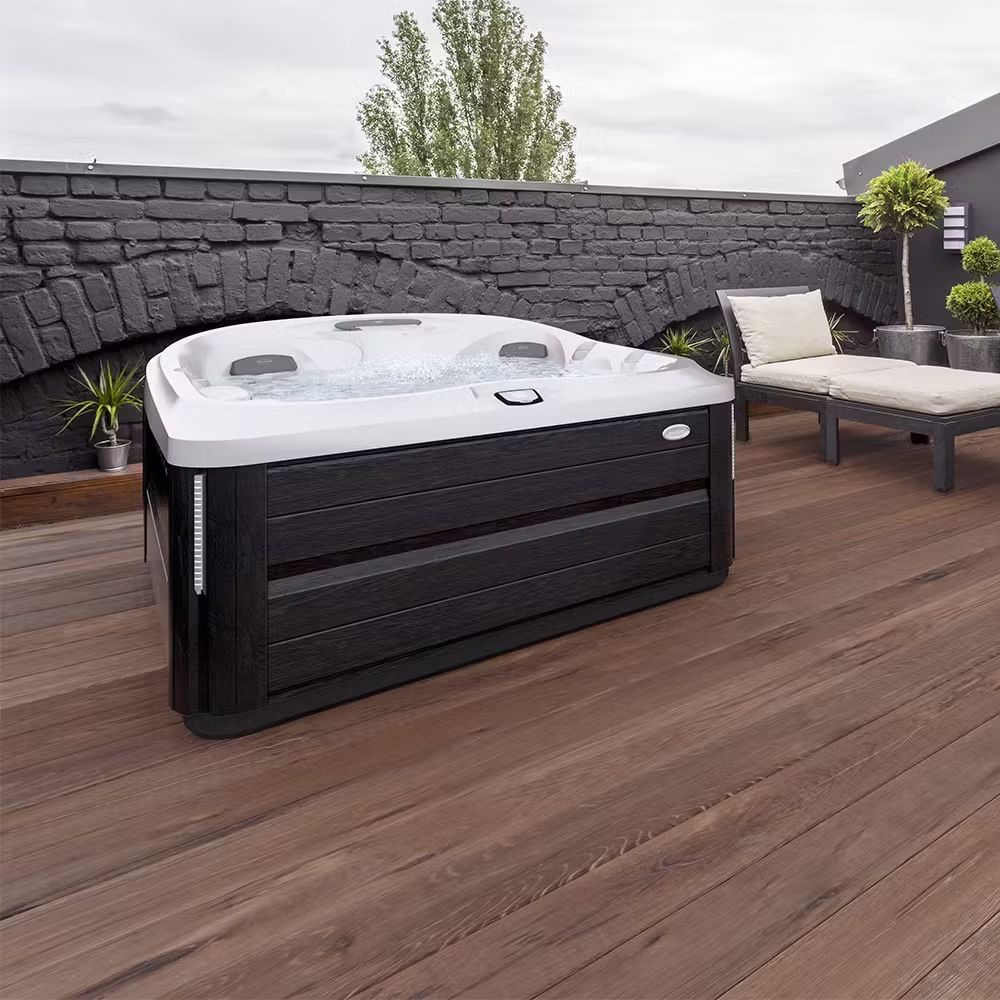
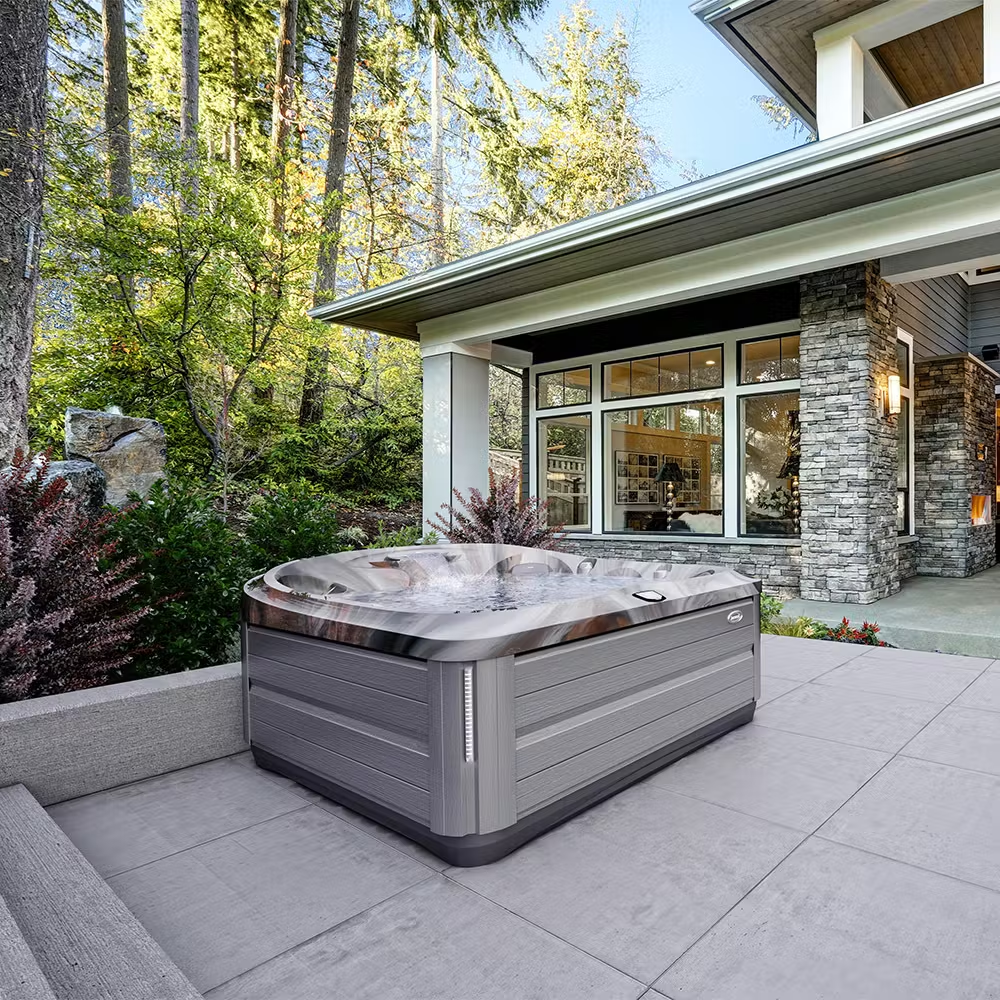
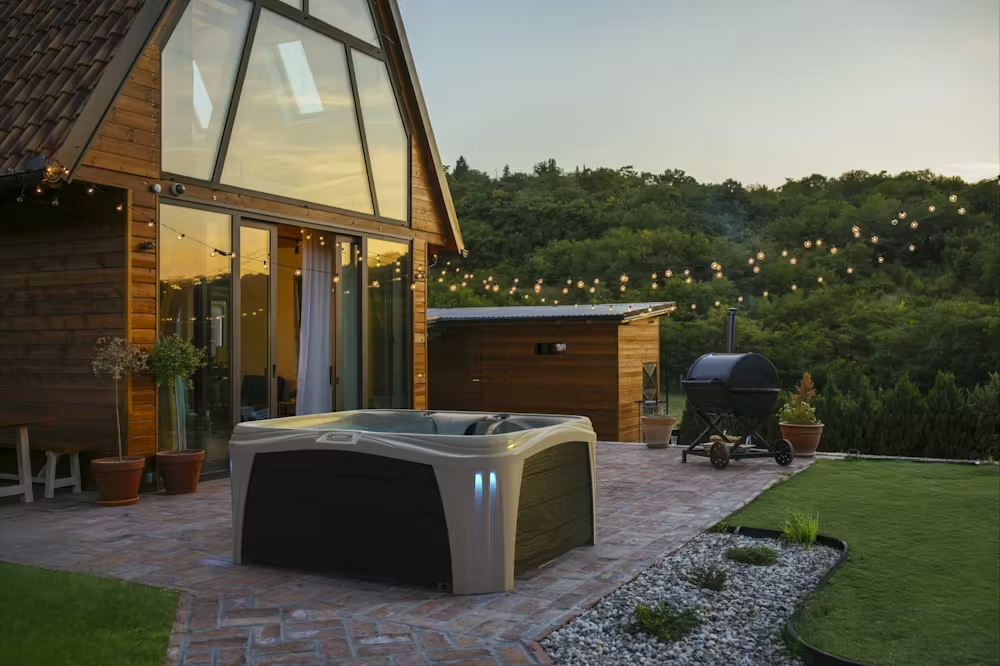
Owning a hot tub in Colorado can transform your backyard into a relaxing, year-round retreat, but the state’s high elevation, dry climate, temperature swings, snow, and freezing winter conditions require thoughtful planning. This Colorado hot tub ownership guide explains what homeowners need to know about choosing, installing, maintaining, and enjoying a spa throughout every season, with special attention to winter operation.
Why Colorado Is an Ideal Place to Own a Hot Tub
Colorado’s climate creates excellent opportunities for hot tub use. Cool evenings, mountain views, active lifestyles, and long winters make warm-water relaxation especially appealing.
A hot tub can provide a comfortable place to unwind after skiing, hiking, cycling, working, or spending time outdoors. It can also become a gathering space for family and friends, offering an enjoyable way to spend time outside even when temperatures drop.
Potential benefits of hot tub ownership include:
Year-round outdoor relaxation
A convenient place to recover after physical activity
Warmth and comfort during cold Colorado winters
A private space for quiet time and stress relief
An inviting setting for entertaining
Increased enjoyment of a patio, deck, or backyard
The best ownership experience begins with selecting the right spa, preparing the installation area correctly, and following a consistent maintenance routine.
Choosing the Right Hot Tub for Colorado Conditions
Not every hot tub is equally suited for Colorado’s climate. Buyers should look beyond appearance and seating capacity to evaluate insulation, energy efficiency, construction quality, controls, service support, and cold-weather performance.
Prioritize High-Quality Insulation
Insulation is one of the most important considerations for Colorado hot tub owners. A well-insulated spa retains heat more effectively, reduces stress on the heating system, and may help control operating costs.
Good insulation is particularly important in mountain communities where overnight temperatures can remain below freezing for extended periods. A poorly insulated hot tub may need to run more frequently to maintain the desired water temperature.
When comparing models, ask about:
The type and placement of insulation
Cabinet and shell construction
Energy-efficiency testing
Cold-climate performance
Plumbing protection
Access for future maintenance and repairs
Select the Appropriate Size
Hot tubs come in a range of sizes, from compact models designed for two or three people to larger spas that accommodate families and groups.
Before choosing a size, consider:
How many people will regularly use the spa
Whether you plan to entertain guests
The available installation space
The amount of water the spa will hold
Energy and maintenance requirements
Seating styles and jet configurations
A larger hot tub offers more space but may require additional water, chemicals, energy, and maintenance. The best choice is a model that comfortably fits your household’s actual needs.
Consider Seating and Hydrotherapy Features
Some hot tubs include upright seats, lounge seats, cool-down seats, foot jets, neck jets, or adjustable hydrotherapy options. Test different seating configurations when possible.
Consider whether users prefer:
Deep seating
Full-body lounge seating
Targeted back and shoulder jets
Leg and foot jets
Adjustable jet pressure
Open seating for conversation
Easy entry and exit
A reputable dealer can help match a model’s seating and jet design to your comfort preferences and intended use.
Planning a Hot Tub Installation in Colorado
A proper installation supports safety, performance, accessibility, and long-term reliability. Before delivery, homeowners should confirm the foundation, electrical requirements, access route, drainage, and local regulations.
Prepare a Stable Foundation
A filled hot tub is extremely heavy. The installation surface must be level, stable, and capable of supporting the combined weight of the spa, water, and occupants.
Common foundation options include:
Reinforced concrete pads
Properly engineered decks
Approved spa pads
Paver surfaces designed for the required load
Do not place a hot tub on soil, grass, or an unstable surface. Ground movement, settling, and uneven support can damage the spa or create safety concerns.
If the hot tub will be installed on a deck, consult a qualified contractor or structural professional. Existing decks may need reinforcement before they can safely support the load.
Confirm Electrical Requirements
Most full-size hot tubs require a dedicated electrical circuit installed by a licensed electrician. Electrical work should comply with manufacturer specifications and all applicable national, state, and local codes.
Before installation, confirm:
Voltage and amperage requirements
Disconnect placement
Ground-fault protection
Conduit routing
Clearance requirements
Permit and inspection needs
Never use an extension cord to power a hot tub. Improper electrical installation can damage equipment and create serious safety risks.
Plan the Delivery Route
Measure the entire delivery path before the hot tub arrives. Check gates, fences, steps, roof overhangs, utility equipment, landscaping, and tight corners.
Delivery planning should account for:
Spa dimensions
Gate width
Side-yard clearance
Ground conditions
Elevation changes
Overhead obstacles
Crane access, if required
A professional dealer can review the site and identify potential delivery challenges in advance.
Think About Access During Winter
A beautiful location at the far end of the yard may be less appealing when the path is covered with snow. In Colorado, practical winter access should be part of the installation plan.
Consider placing the spa:
Near an exterior door
Along a well-lit walkway
In an area protected from excessive wind
Where snow removal is manageable
Away from areas where roof snow or ice may fall
The goal is to create a location that feels inviting and remains reasonably accessible throughout the year.
Understanding Hot Tub Operating Costs
Hot tub operating costs vary according to climate, spa size, insulation, water temperature, usage habits, local utility rates, cover condition, and equipment efficiency.
Colorado winters can increase heating demand, especially during prolonged cold periods. However, quality construction and responsible operating habits can help improve efficiency.
Ways to support efficient operation include:
Use a properly fitted, insulated cover
Keep the cover closed when the spa is not in use
Replace damaged or waterlogged covers
Maintain the recommended water level
Clean filters regularly
Keep equipment in good condition
Avoid unnecessary temperature changes
Follow the manufacturer’s recommended settings
Repair leaks promptly
Frequently lowering and reheating the water may not produce the savings homeowners expect. A modern, well-insulated spa is generally designed to maintain a consistent temperature.
Year-Round Hot Tub Maintenance
Consistent maintenance protects water quality, equipment performance, and the overall ownership experience. Maintenance needs vary by model and water-care system, so owners should always follow the manufacturer’s instructions.
Test the Water Regularly
Hot tub water should be tested frequently because a spa contains a relatively small volume of warm water. Sanitizer levels, pH, and total alkalinity can change quickly, especially with frequent use.
A typical testing routine may include checking:
Sanitizer level
pH
Total alkalinity
Calcium hardness
Water clarity
Balanced water helps support sanitizer effectiveness, protects spa components, and improves comfort.
Maintain Proper Sanitizer Levels
Sanitizer helps control bacteria and other contaminants introduced by bathers and the surrounding environment. Depending on the system, a spa may use chlorine, bromine, or another manufacturer-approved water-care method.
Always follow product instructions carefully. Adding excessive chemicals does not necessarily create better water and may cause irritation or equipment damage.
Clean the Filters
Filters collect oils, debris, particles, and contaminants from the water. Dirty filters may reduce circulation and place additional strain on the spa’s equipment.
Filter care may include:
Rinsing with clean water
Using an approved filter-cleaning product
Rotating multiple filter sets
Replacing filters when worn or damaged
The correct cleaning schedule depends on usage, water conditions, and the manufacturer’s recommendations.
Drain and Refill the Spa
Hot tub water should be drained and replaced periodically. Over time, dissolved solids, body-care products, oils, and chemicals can accumulate, making the water more difficult to manage.
The required frequency varies, but heavier use may require more frequent water changes. Your dealer can help establish an appropriate schedule for your spa and household.
Winter Hot Tub Ownership in Colorado
Winter is often the most rewarding season for using a hot tub in Colorado. Steaming water, crisp air, falling snow, and mountain scenery can create a memorable experience. Winter also requires additional preparation.
Keep the Hot Tub Running
In most cases, a hot tub designed for year-round use should remain filled, heated, and operating during winter. Active circulation and heating help protect plumbing and equipment from freezing.
Turning off a filled spa during freezing weather can create a serious risk of frozen pipes and costly damage.
If the spa must be shut down for an extended period, it should be professionally winterized. Simply draining the visible water is not enough because water may remain in pumps, jets, plumbing lines, and equipment.
Maintain the Water Level
Water levels can gradually drop through evaporation and splash-out. Low water may interfere with circulation and heating.
Check the water level regularly, especially during periods of frequent use. Follow the manufacturer’s recommended fill line, and use care when adding water in freezing conditions.
Remove Snow From the Cover Carefully
A quality cover helps retain heat and protect the water from debris. During snowstorms, remove excessive accumulation before it becomes compacted or overly heavy.
Use a soft broom or another cover-safe method. Avoid sharp tools, metal shovels, and aggressive scraping that could puncture or damage the cover.
Protect the Cover
The cover is a critical part of winter efficiency. Inspect it for:
Cracks or tears
Broken straps
Damaged hinges
Sagging
Water absorption
Poor fit
A heavy, waterlogged cover may lose insulation value and become difficult to handle. Replacing a worn cover can improve convenience and heat retention.
Create a Safe Walking Path
Ice and packed snow can make the route to the hot tub hazardous. Keep the pathway clear, well-lit, and as slip-resistant as possible.
Helpful additions may include:
Outdoor lighting
Handrails
Slip-resistant steps
Towel hooks near the spa
A covered area for robes and footwear
Regular snow and ice removal
Avoid using products near the spa that could damage surfaces or contaminate the water.
Plan for Power Outages
Power outages can be especially concerning during freezing weather. A well-insulated hot tub with a secured cover may retain heat for a period of time, but the appropriate response depends on the outdoor temperature, outage duration, spa design, and manufacturer guidance.
During a winter outage:
Keep the cover closed
Do not repeatedly open the spa to check the water
Contact your dealer if the outage may be prolonged
Follow manufacturer instructions
Do not attempt electrical or plumbing modifications without professional guidance
Having a trusted local service provider is especially valuable during cold-weather emergencies.
Managing Colorado’s Dry Climate and High Elevation
Colorado’s dry air may increase evaporation, while high elevation can affect how quickly homeowners notice water loss. Regularly checking the water level helps keep circulation systems operating properly.
The dry climate can also affect spa covers, cabinets, and surrounding materials. Inspect exterior components and follow recommended care procedures.
At higher elevations, intense sunlight and ultraviolet exposure may also accelerate wear on some materials. A cover, pergola, or appropriately designed shade structure may help protect the spa area, provided all ventilation, clearance, and safety requirements are maintained.
Seasonal Hot Tub Care
Each season presents different maintenance priorities.
Spring
Spring is a good time to:
Inspect the spa after winter
Clean the cover and cabinet
Check filters
Review water chemistry
Inspect the foundation
Schedule preventive service
Clean the surrounding area
Summer
During summer:
Monitor water temperature
Keep the cover secured
Check water levels frequently
Maintain sanitizer after increased use
Protect the spa from intense sunlight
Keep leaves, dust, and insects out of the water
Some owners lower the temperature during warmer months for a more refreshing soak. Always stay within manufacturer guidelines.
Fall
Fall preparation may include:
Inspecting the cover before snow arrives
Checking the heater and circulation system
Cleaning or replacing filters
Clearing leaves and debris
Testing outdoor lighting
Reviewing winter emergency procedures
Scheduling needed repairs before freezing temperatures
Winter
During winter:
Keep the spa operating
Maintain proper temperature and water level
Clear snow from the cover
Keep access paths safe
Limit unnecessary cover opening
Address equipment warnings immediately
Preventive attention is much easier than responding to frozen plumbing during a cold spell.
Hot Tub Safety Tips
Safe ownership requires clear rules and responsible operation.
Important safety practices include:
Follow all manufacturer instructions
Secure the cover when the spa is not in use
Supervise children at all times
Use approved steps and handrails
Keep glass away from the spa
Avoid using the hot tub when impaired
Consult a healthcare professional regarding medical concerns
Do not exceed recommended water temperatures
Stay hydrated
Exit the spa if you feel dizzy, overheated, or unwell
Keep electrical equipment away from the water
Maintain proper water sanitation
Local regulations may require specific barriers, locks, covers, or safety features. Homeowners should verify applicable rules before installation.
Common Hot Tub Ownership Mistakes to Avoid
New owners can prevent many problems by avoiding a few common mistakes.
Ignoring Water Chemistry
Clear water is not always properly balanced water. Test regularly, even when the spa looks clean.
Using Household Cleaning Products
Household soaps and cleaners may create foam, damage surfaces, or interfere with water chemistry. Use products approved for hot tubs.
Neglecting the Cover
A damaged cover can affect efficiency, cleanliness, safety, and winter performance.
Delaying Repairs
Small leaks, unusual noises, error messages, and circulation problems should be addressed promptly. Waiting may allow a minor issue to become more expensive.
Draining the Spa in Freezing Weather Without a Plan
Water can remain trapped inside plumbing and equipment. Professional winterization is strongly recommended when a spa must be shut down during cold weather.
Choosing a Spa Without Considering Service Support
The relationship with the dealer matters after the sale. Local support can be essential for maintenance guidance, replacement parts, warranty service, and winter troubleshooting.
Why Local Dealer Support Matters
Colorado hot tub owners benefit from working with a dealer who understands regional weather, elevation, installation needs, and winter operation.
A knowledgeable local dealer can assist with:
Selecting an appropriate model
Evaluating the installation site
Coordinating delivery
Explaining electrical requirements
Providing water-care guidance
Recommending accessories
Supporting warranty needs
Scheduling maintenance and repairs
Addressing cold-weather concerns
The quality of the product is important, but reliable local service can make ownership easier for many years.
Frequently Asked Questions
Can I use a hot tub year-round in Colorado?
Yes. Quality hot tubs designed for cold climates can be used throughout the year when they are properly installed, maintained, heated, and covered.
Should I turn off my hot tub during the winter?
Generally, no. A filled hot tub should usually remain powered, heated, and circulating during freezing weather. If it must be shut down, professional winterization is recommended.
What temperature should I keep my hot tub?
Many owners prefer temperatures between 100 and 104 degrees Fahrenheit, but comfort varies. Follow the manufacturer’s limits and consult a healthcare professional if you have medical concerns.
How often should I test hot tub water?
Test the water several times per week and more frequently during heavy use. Follow the schedule recommended for your water-care system.
How often should I drain and refill the spa?
The schedule depends on spa size, usage, water chemistry, and the number of bathers. Many spas require periodic water changes every few months, but your dealer can recommend a more specific schedule.
Will my hot tub freeze during a power outage?
It can if temperatures are low enough and the outage lasts long enough. Keep the cover closed and contact your dealer for guidance during an extended winter outage.
How do I remove snow from the hot tub cover?
Use a soft broom or cover-safe tool. Avoid metal shovels, sharp objects, and aggressive scraping.
Do I need a concrete pad?
A concrete pad is a common option, but other approved foundations may be suitable. The surface must be level, stable, and designed to support the filled spa’s weight.
Can I put a hot tub on a deck?
Possibly, but the deck must be structurally capable of supporting the spa, water, and occupants. Have the structure evaluated by a qualified professional.
How much maintenance does a hot tub require?
Routine care includes testing and balancing the water, maintaining sanitizer, cleaning filters, checking the water level, cleaning surfaces, and scheduling periodic water changes.
Is a hot tub expensive to operate in winter?
Operating costs vary based on insulation, spa size, temperature settings, cover quality, weather, usage, and local utility rates. An efficient spa with a well-maintained cover can help control energy use.
What should I look for in a Colorado hot tub dealer?
Look for quality products, knowledgeable staff, dependable installation guidance, responsive service, access to parts, warranty support, and experience with Colorado’s climate.
Find the Right Hot Tub for Your Colorado Home
A hot tub can be a valuable addition to a Colorado home, providing relaxation, comfort, and year-round enjoyment. The key is choosing a quality spa, preparing the site correctly, maintaining balanced water, protecting the equipment during winter, and working with a dependable local dealer.
Ajax Pool & Spa is a Jacuzzi® hot tubs dealer serving the Roaring Fork Valley. Whether you are comparing models, preparing for installation, upgrading an existing spa, or looking for reliable service and maintenance guidance, our team can help you explore practical solutions for your home and lifestyle.
When winter temperatures drop in the Roaring Fork Valley, hot tub freeze damage can become a serious concern for spa owners. A hot tub is designed to hold, heat, and circulate water, but when that water freezes inside the plumbing, pumps, heater, filter housing, or shell, the expansion can crack components and create expensive repair issues. The good news is that most freeze damage is preventable with the right maintenance habits, quick action during cold snaps, and professional support when something goes wrong.
Why Hot Tubs Freeze
A hot tub typically freezes when water stops circulating or heating during freezing temperatures. As long as your spa has power, maintains the proper water level, and circulates water through the system, it is usually well protected. Problems begin when the system shuts down, the water level drops too low, or mechanical issues prevent water from moving through the plumbing.
Common causes of a frozen hot tub include:
Power outages during cold weather
Tripped breakers or GFCI outlets
Low water levels
Failed circulation pumps
Malfunctioning heaters
Clogged or dirty filters
Poorly sealed spa cabinets
Improper winterization
Leaving the cover open or damaged
Ignoring error codes on the control panel
Even a short period of freezing temperatures can create problems if the water is not moving. The smaller plumbing lines inside the spa cabinet are especially vulnerable because they can freeze faster than the main body of water in the tub.
What Happens When a Hot Tub Freezes?
When water freezes, it expands. That expansion creates pressure inside any enclosed space, including spa plumbing, pump housings, manifolds, jets, valves, and heater tubes. If the pressure becomes too high, parts can crack, split, or separate. Sometimes the damage is obvious right away, but in many cases, the issue is not discovered until the ice thaws and water begins leaking from the cabinet.
A frozen hot tub may experience damage to:
PVC plumbing lines
Jet bodies and fittings
Pumps and pump seals
Heater assemblies
Manifolds
Unions and valves
Filter housings
Control sensors
The spa shell or acrylic surface
Cabinet insulation
One of the most frustrating parts of freeze damage is that it can happen in multiple places at once. A single freeze event may crack several lines or fittings throughout the system. That is why professional inspection is so important before restarting the spa.
Warning Signs Your Hot Tub May Be Frozen
If you suspect your hot tub has frozen, do not ignore the signs. Acting quickly can help reduce the extent of the damage.
Watch for these warning signs:
The spa water is unusually cold
The control panel is blank or showing an error code
Jets are not working
The pump is humming but not moving water
Ice is visible in the tub, filter area, or equipment compartment
The water level has dropped unexpectedly
Water leaks from the cabinet after thawing begins
The breaker keeps tripping
The heater does not turn on
The spa makes unusual noises when powered
If any of these signs appear, stop and assess the situation before attempting to restart the hot tub. Running pumps or heaters when internal lines are frozen can make damage worse.
What to Do If Your Hot Tub Freezes
If your hot tub freezes, the first step is to avoid panic and avoid forcing the system to run. A frozen spa needs careful handling.
1. Turn Off the Power
Turn off power to the hot tub at the breaker. This helps prevent electrical hazards and protects pumps and heaters from running while the plumbing may be blocked with ice.
2. Inspect the Spa Safely
Open the equipment compartment and look for visible ice, cracked fittings, loose unions, or water leaks. Do not chip, pry, or force frozen components apart. Spa plumbing and fittings can be brittle in freezing conditions.
3. Warm the Cabinet Gradually
If it is safe to do so, you can place a small space heater near the equipment compartment to gradually warm the area. Keep the heater away from water and follow all safety instructions. Never use an open flame, torch, or extreme heat source.
4. Remove Ice From the Tub Carefully
If ice has formed on the surface of the spa water, do not strike it aggressively. You can slowly add warm water to help melt surface ice. Do not pour boiling water directly onto acrylic, fittings, or frozen components because sudden temperature changes may cause cracking.
5. Call a Professional
Freeze damage can be difficult to diagnose without experience. A spa may look fine after thawing, but small cracks can leak once the system is pressurized. A professional technician can inspect the plumbing, pumps, heater, jets, and control system to determine whether repairs are needed.
What Not to Do With a Frozen Hot Tub
The wrong response can turn a minor issue into a major repair. Avoid these common mistakes:
Do not run the pumps if you suspect frozen plumbing
Do not turn on the heater before the system is fully thawed
Do not use a torch, heat gun, or open flame
Do not pour boiling water into the equipment area
Do not hit the shell or plumbing to break ice
Do not ignore leaks after thawing
Do not assume the spa is fine because the surface water has melted
A hot tub is a connected system. Even if one area looks thawed, hidden plumbing lines may still contain ice.
How Freeze Damage Is Repaired
Repairing freeze damage starts with a careful inspection. A technician will typically check the spa cabinet, plumbing lines, pumps, heater, unions, manifolds, valves, and jet fittings. The goal is to locate visible cracks, identify leaks, and test whether the system can circulate water properly once thawed.
Common repair steps may include:
Replacing cracked PVC lines
Repairing or replacing damaged fittings
Replacing broken unions or valves
Inspecting and servicing pumps
Replacing damaged pump seals
Repairing heater components
Pressure testing plumbing lines
Checking electrical systems
Replacing damaged insulation
Testing circulation and heating performance
The cost and complexity of repair depend on how long the hot tub was frozen and which components were affected. Minor damage may involve replacing a fitting or seal. Severe freeze damage may require extensive plumbing work, pump replacement, or heater repair.
Can a Frozen Hot Tub Be Saved?
In many cases, yes. A frozen hot tub can often be repaired if the damage is limited and addressed quickly. The key is to avoid running the spa while frozen and to have it inspected before returning it to normal use.
However, severe freeze damage can be costly, especially if multiple plumbing lines, pumps, or internal components are cracked. Older spas may also be harder to repair if replacement parts are limited or if the damage is widespread. A professional evaluation can help determine whether repair or replacement is the better option.
How to Prevent Your Hot Tub From Freezing
Prevention is the best way to protect your spa investment. During cold weather, consistent maintenance and monitoring are essential.
Keep the Water Heated
Keep your hot tub at a steady temperature throughout the winter. Many owners maintain their spa between 100 and 104 degrees Fahrenheit when in regular use. If you are not using the spa often, avoid turning the temperature too low during freezing weather. The energy savings may not be worth the risk.
Maintain Proper Water Level
Low water can prevent proper circulation and trigger system errors. Keep the water level above the jets and within the recommended range for your spa model. Check it regularly, especially during winter, when evaporation and splash-out can still occur.
Check the Cover
A well-fitting hot tub cover helps retain heat and protect the spa from snow, ice, and debris. Inspect your cover for cracks, sagging, waterlogging, or poor seals. A damaged cover can allow heat to escape quickly, forcing the heater to work harder and increasing the risk of freezing.
Keep Filters Clean
Dirty filters restrict water flow, which can cause circulation problems and heater errors. Clean your filters regularly and replace them when needed. During winter, good water flow is one of your strongest defenses against freezing.
Monitor Power and Error Codes
Check your spa regularly to make sure it has power and is operating normally. If you see an error code, do not ignore it. Flow errors, heater errors, and sensor issues can all lead to freezing if they prevent circulation or heat.
Protect the Equipment Cabinet
Make sure cabinet panels are secure and that insulation is in good condition. Gaps or missing panels can allow freezing air to reach pumps and plumbing. After service, always confirm the cabinet is properly closed.
Use Freeze Protection Features
Many modern spas include freeze protection settings that automatically activate pumps when temperatures drop. Make sure you understand how your spa’s system works. If you are unsure, ask a professional to review the settings with you.
Plan Ahead for Travel
If you will be away during the winter, have someone check your hot tub regularly. They should confirm that the spa has power, the water level is correct, the cover is secure, and the control panel is not showing errors.
Should You Winterize Your Hot Tub?
If you do not plan to use your hot tub during the winter, professional winterization may be a smart option. Winterization involves draining the spa, clearing water from plumbing lines, removing or protecting components, and preparing the system to sit safely through freezing temperatures.
However, winterizing a hot tub must be done thoroughly. Simply draining the water is not enough. Water can remain trapped in lines, jets, pumps, manifolds, and fittings. If that trapped water freezes, damage can still occur.
Professional winterization may include:
Draining the spa completely
Removing water from plumbing lines
Clearing pumps and equipment
Removing and cleaning filters
Loosening unions where appropriate
Using proper methods to remove trapped water
Securing the cover
Inspecting the spa for existing issues
If you want to close your spa for the season, it is worth having the process handled by a qualified spa professional.
Is Freeze Damage Covered by Warranty or Insurance?
Warranty coverage varies by manufacturer, dealer, spa model, and the circumstances of the damage. Many warranties do not cover damage caused by improper maintenance, power loss, neglect, or failure to winterize. Homeowners insurance may or may not apply depending on your policy and the cause of the freeze event.
Because coverage can vary, review your warranty and insurance documents carefully. If you are unsure, contact your dealer or insurance provider before assuming the repair will be covered.
Why Professional Service Matters
Hot tub freeze damage is not always visible from the outside. A spa may thaw, power on, and appear to operate normally, only to develop leaks once water pressure builds. Hidden leaks can damage insulation, cabinetry, electrical components, and nearby surfaces.
Professional service helps ensure that:
The spa is thawed safely
Pumps and heaters are not damaged during restart
Leaks are identified early
Cracked fittings and lines are properly repaired
Electrical components are inspected
The system is tested before regular use
Future freeze risks are reduced
For homeowners in cold climates, professional maintenance is not just convenient. It can help protect a valuable investment.
FAQ
Can my hot tub freeze overnight?
Yes. In very cold weather, exposed plumbing and equipment can freeze quickly if the spa loses power, stops circulating, or has low water.
What should I do first if my hot tub freezes?
Turn off power at the breaker and inspect the spa safely. Do not run the pumps or heater until the system is fully thawed and checked.
Can I pour hot water into a frozen hot tub?
Warm water can help melt surface ice, but do not use boiling water. Sudden temperature changes can damage acrylic, plumbing, or fittings.
Is a frozen hot tub always ruined?
No. Many frozen hot tubs can be repaired, especially if the damage is caught early and the system is not forced to run while frozen.
How do I know if freeze damage caused a leak?
After thawing, look for water dripping from the cabinet, a dropping water level, wet insulation, or puddles around the spa. A technician can confirm the leak source.
Should I drain my hot tub for winter?
Only if you do not plan to use it and it is properly winterized. Draining without clearing all plumbing lines can still leave water behind that may freeze.
How can I prevent freeze damage during a power outage?
Keep the cover closed, avoid opening the cabinet unnecessarily, and restore power as soon as possible. If the outage lasts during freezing weather, contact a spa professional for guidance.
Are Jacuzzi® hot tubs designed for winter use?
Yes, Jacuzzi® hot tubs are built for year-round enjoyment when properly maintained, powered, covered, and serviced according to manufacturer recommendations.
Call Ajax Pool & Spa Today
If your hot tub has frozen, is showing an error code, has stopped heating, or needs winter protection, we are here to help. As a trusted Jacuzzi® hot tubs dealer serving the Roaring Fork Valley, we can help you understand your options, address freeze concerns, and keep your spa ready for Colorado’s cold-weather conditions. Call today and let’s talk solutions.
For homeowners comparing the hot tub monthly cost in Colorado, the most important thing to understand is that expenses change with the season, the elevation, the quality of the spa, and how consistently the hot tub is maintained. A hot tub in Colorado is not just a backyard luxury. It is a year-round wellness feature that has to perform through cold mountain nights, dry summer air, snow, wind, and wide temperature swings. While monthly costs vary from one property to another, most owners can plan for recurring expenses such as electricity, water care products, filter maintenance, and occasional service. In winter, the cost is usually higher because the spa works harder to maintain water temperature. In summer, the cost often drops, although water care and usage can still affect the monthly total.
What Goes Into the Monthly Cost of Owning a Hot Tub?
The monthly cost of owning a hot tub is not limited to electricity. Power usage is usually the largest recurring expense, but there are several other costs that should be included in a realistic budget. A well-maintained spa can be surprisingly manageable, especially when it is properly insulated, equipped with a quality cover, and serviced on a regular schedule.
The main monthly cost categories include:
Electricity to heat and circulate the water
Water care products such as sanitizer, shock, pH balancers, and test strips
Filter cleaning supplies or replacement filters
Water usage for top-offs and occasional drain-and-refill service
Professional maintenance, if preferred
Repairs or replacement parts over time
Accessories such as cover care products, steps, lifters, or replacement pillows
For many Colorado homeowners, a typical monthly ownership range may fall somewhere around $50 to $150 per month for routine operation and care. Premium, energy-efficient models may stay toward the lower end of that range, while older spas, poorly insulated hot tubs, heavy-use spas, or tubs in exposed mountain locations may cost more.
Winter Hot Tub Costs in Colorado
Winter is when Colorado hot tub ownership becomes especially appealing. There is nothing quite like soaking in warm, bubbling water while snow falls around you. However, winter is also when operating costs tend to rise. The colder the air, the harder the spa must work to maintain a comfortable soaking temperature.
In colder months, several factors increase monthly costs:
Lower outdoor temperatures create more heat loss.
Snow and ice can reduce cover efficiency if not cleared regularly.
Wind exposure can pull heat away from the spa cabinet and cover.
Frequent use increases heat loss when the cover is removed.
Older covers may absorb moisture and lose insulating power.
Poor cabinet insulation can make the heater run more often.
In many parts of Colorado, especially mountain communities such as Aspen, Basalt, Carbondale, Glenwood Springs, and surrounding areas, winter temperatures can fluctuate significantly. At higher elevations, cold nights and windy conditions can increase the workload on your spa. If the hot tub is exposed on a deck, patio, or open yard, the impact can be even more noticeable.
A well-insulated hot tub with a tight-fitting cover may only see a moderate winter increase. However, an inefficient spa or one with a damaged cover can become expensive quickly. For winter planning, homeowners may want to budget roughly $40 to $100 or more per month for electricity alone, depending on the spa model, local utility rates, water temperature setting, usage habits, and exposure. Water care costs may add another $15 to $40 per month, depending on the system and maintenance routine.
Summer Hot Tub Costs in Colorado
Summer operating costs are usually lower because the heater does not need to work as hard. Colorado’s sunny days and milder nights help reduce heat loss, and some homeowners lower the set temperature during warmer months. A hot tub set around 98 to 100 degrees may cost less to operate than one kept at 102 to 104 degrees, especially when outdoor temperatures are already warm.
That said, summer ownership still comes with expenses. Hot tubs can see frequent use during summer gatherings, after hiking, after biking, or as part of an outdoor entertaining space. More people using the spa means more sanitizer demand, more filter cleaning, and more attention to water balance.
Summer costs may be affected by:
Increased guest use
More sunscreen, body oils, lotions, and debris in the water
Faster sanitizer demand
More frequent filter rinsing
Evaporation from dry Colorado air
Lower heating demand compared to winter
In summer, many Colorado hot tub owners may see electricity costs drop compared to winter. A reasonable summer planning range may be around $25 to $70 per month for electricity, depending on the model and usage. Water care products may still average around $15 to $40 per month, especially if the hot tub is used often.
Winter vs. Summer: What Is the Difference?
The biggest difference between winter and summer hot tub costs is heat retention. In winter, every time the cover comes off, heat escapes quickly. The heater then has to bring the water back to the set temperature. In summer, the air temperature is closer to the water temperature, so heat loss is slower.
Here is a practical comparison:
Winter electricity costs are usually higher because of cold air, snow, wind, and longer heating cycles.
Summer electricity costs are usually lower because outdoor temperatures reduce heating demand.
Winter water care may be steadier if usage is moderate, but heavy soaking can still increase chemical demand.
Summer water care may increase if the spa is used for entertaining or if more contaminants enter the water.
Winter cover condition is critical for controlling energy costs.
Summer evaporation and water balance may require more attention in dry climates.
For homeowners in the Roaring Fork Valley, winter performance matters. Choosing a hot tub built for mountain living can make a major difference in comfort, efficiency, and long-term value.
How Electricity Rates Affect Hot Tub Costs
Electricity rates are one of the main reasons hot tub operating costs vary from home to home. Even two homeowners with the same spa model can have different monthly costs if they are served by different utility providers or use the spa differently. Colorado’s residential electricity rates can change over time, so it is wise to check your most recent utility bill when estimating your monthly ownership cost.
A simple way to estimate electricity cost is to multiply your spa’s monthly kilowatt-hour usage by your electric rate. For example, if a hot tub uses 300 kWh in a colder month and the local rate is about 16 cents per kWh, the electricity cost would be around $48 for that month. If winter usage rises to 500 kWh, the cost would be around $80. These are examples only, but they show why insulation, cover quality, and usage habits matter.
Water Care and Chemical Costs
Water care is a consistent part of hot tub ownership in every season. Keeping the water clean, balanced, and comfortable protects both the people using the spa and the equipment inside it. Neglecting water chemistry can lead to cloudy water, odors, scale, corrosion, and premature wear on pumps, heaters, jets, and plumbing components.
Common water care costs include:
Sanitizer
Shock oxidizer
pH increaser or decreaser
Alkalinity adjuster
Calcium hardness products
Test strips or digital test supplies
Filter cleaner
Clarifier or enzyme products when needed
A typical monthly water care budget may range from $15 to $40 for many owners. Some systems may cost more or less depending on the sanitizing method, water quality, usage level, and personal preferences. In areas with mineral-heavy water or challenging fill water, professional guidance can help reduce trial and error.
Filter Maintenance and Replacement
Filters are easy to overlook, but they play a major role in water clarity and equipment protection. A dirty filter makes the circulation system work harder and can reduce water quality. Most hot tub owners should rinse filters regularly and deep clean them periodically.
Monthly filter-related costs are usually modest, but replacement filters should be included in the annual budget. Depending on the spa, filter size, and usage level, filters may need replacement every 12 to 24 months. Heavy-use spas may need replacements sooner.
To keep filter costs under control:
Rinse filters as recommended.
Keep a spare filter on hand.
Rotate filters to allow proper drying between uses.
Use filter cleaner instead of household cleaners.
Replace worn or damaged filters promptly.
Water Usage and Drain-and-Refill Costs
Hot tubs use less water than pools, but water still factors into monthly ownership. Water is lost through evaporation, splash-out, and periodic maintenance. In Colorado’s dry climate, evaporation can be noticeable, especially if the cover is left open for long periods.
Most spas also need to be drained and refilled periodically. The schedule depends on usage, water chemistry, and the size of the tub. Many homeowners drain and refill every three to four months, although some may need to do it more often.
Water costs are usually not the largest monthly expense, but water quality affects everything. Fresh, balanced water helps the sanitizer work properly, improves comfort, and reduces wear on equipment.
Professional Service Costs
Some homeowners prefer to handle water care themselves. Others choose professional service for convenience, consistency, or peace of mind. Professional maintenance can be especially helpful for second homes, vacation properties, rental properties, and mountain homes where access may be seasonal or inconsistent.
Professional service may include:
Water testing and balancing
Filter cleaning
Cover inspection
Equipment checks
Drain-and-refill service
Startup or winter support
Troubleshooting and repairs
The cost of professional service varies depending on frequency, travel area, spa condition, and what is included. While it adds to the monthly budget, it can also help prevent expensive problems caused by neglected water chemistry or unnoticed equipment issues.
Factors That Can Increase Monthly Hot Tub Costs
Some hot tubs cost more to operate than others. In Colorado, the surrounding environment can make these differences even more obvious.
Monthly costs may increase if:
The spa has poor insulation.
The cover is damaged, waterlogged, or does not seal tightly.
The hot tub is placed in a windy or exposed location.
The water temperature is kept very high.
The spa is used frequently in freezing weather.
The filters are dirty.
Water chemistry is neglected.
The hot tub is older or inefficient.
The cabinet has air leaks or worn components.
A high-quality spa may cost more upfront, but it can provide better efficiency, comfort, and reliability over time. For Colorado homeowners, the purchase decision should account for long-term ownership, not just the initial price.
Ways to Lower Your Monthly Hot Tub Costs
A few smart habits can help control monthly costs without sacrificing comfort.
Consider these cost-saving tips:
Keep the cover closed when the spa is not in use.
Replace a heavy, cracked, or waterlogged cover.
Use a cover lifter to make proper cover use easier.
Maintain a consistent water temperature instead of making large adjustments.
Lower the temperature slightly during lower-use periods.
Clean filters regularly.
Keep water balanced to protect equipment.
Add wind protection if the spa is in an exposed location.
Schedule regular service to catch small issues early.
Choose an energy-efficient model designed for cold-weather performance.
The cover is one of the most important cost-control tools. A quality cover helps trap heat, reduce evaporation, and protect the water from debris. In winter, a poor cover can waste energy every day.
Is a Hot Tub Worth the Monthly Cost?
For many Colorado homeowners, the answer is yes. A hot tub can support relaxation, recovery, family time, and year-round outdoor living. In mountain communities, it can also extend the use of outdoor spaces into colder months. The key is choosing the right spa and maintaining it correctly.
A hot tub is more than a monthly utility expense. It can become part of a daily wellness routine, a gathering place after skiing or hiking, and a comfort feature that makes a home more enjoyable throughout the year. When buyers plan ahead for monthly costs, they are better prepared to enjoy the benefits without surprises.
FAQ
How much does it cost per month to run a hot tub in Colorado?
Many homeowners can expect routine monthly costs to fall around $50 to $150, depending on the spa, season, electric rate, usage, water care routine, and whether professional service is included.
Is a hot tub more expensive to run in winter?
Yes. Winter usually costs more because the spa must work harder to maintain temperature in cold air, snow, and wind. A well-insulated hot tub with a good cover can help control winter costs.
How much electricity does a hot tub use per month?
Electricity usage varies widely. A newer, efficient spa may use much less power than an older or poorly insulated model. Weather, cover condition, set temperature, and usage frequency all affect monthly power consumption.
What temperature should I keep my hot tub at to save money?
Many owners keep their spa between 100 and 104 degrees when in regular use. Lowering the temperature slightly during warmer months or low-use periods may reduce costs.
Does turning down the hot tub save money?
It can, especially during extended periods of non-use. However, constantly making large temperature changes may not always be efficient. For frequent use, maintaining a steady temperature is often more practical.
How often should I drain and refill my hot tub?
Many hot tubs are drained and refilled every three to four months, but the schedule depends on usage, water quality, and maintenance habits.
Do hot tub chemicals cost more in summer or winter?
They can cost more in summer if the spa gets heavy use, especially with guests, sunscreen, lotions, and outdoor debris. Winter chemical use may be steadier if usage is moderate.
What is the easiest way to lower hot tub costs?
Start with the cover. Keep it closed, make sure it seals well, and replace it when it becomes heavy, cracked, or waterlogged. Clean filters and balanced water also help the system run efficiently.
Should I hire a professional hot tub service?
Professional service is a good option for homeowners who want convenience, own a second home, rent their property, or want help protecting their investment. It can also reduce the risk of water chemistry mistakes.
Call Ajax Pool & Spa for Hot Tub Solutions in the Roaring Fork Valley
If you are considering a new hot tub or want better performance from your current spa, we are here to help. As a Jacuzzi® hot tubs dealer serving the Roaring Fork Valley, we understand the needs of Colorado homeowners, from winter efficiency to reliable service and long-term comfort. Whether you are comparing models, planning an installation, replacing an old spa, or looking for expert maintenance support, our team can help you find the right solution for your home and lifestyle. Call today and let’s talk solutions.
Aspen winters are beautiful, but they can be demanding on outdoor spas. When temperatures drop, snow piles up, and freezing winds move through the Roaring Fork Valley, hot tub extreme cold maintenance becomes essential for protecting your investment, preserving water quality, and keeping your spa ready when you need it most. A well-maintained hot tub can deliver reliable comfort all winter long, but cold weather creates unique risks that homeowners should not ignore.
Hot tubs are designed to operate in winter conditions, and many owners use them more during the coldest months of the year. There is nothing quite like soaking in warm, bubbling water while snow falls around you. However, extreme cold can put extra pressure on your spa’s plumbing, pumps, heater, cover, cabinet, and water chemistry. If a system fails during a deep freeze, even a short period without circulation or heat can lead to frozen lines, cracked components, and costly repairs.
The good news is that with the right winter care routine, your hot tub can stay efficient, safe, and enjoyable throughout the season. This Aspen winter guide explains how to keep your hot tub running in extreme cold, what to check before temperatures plunge, and when to call a professional for service.
Why Extreme Cold Is Hard on Hot Tubs
Cold weather affects a hot tub in several ways. First, the system has to work harder to maintain your preferred water temperature. Your heater cycles more often, your cover becomes more important, and any small efficiency issue becomes more noticeable. Second, freezing temperatures increase the risk of damage if water stops moving through the plumbing. Water expands when it freezes, and that expansion can crack pipes, fittings, pump housings, manifolds, and other components.
Aspen’s winter conditions can also bring heavy snow, ice buildup, wind exposure, and temperature swings. These conditions make regular checks especially important. A hot tub that is ignored for several days during extreme cold may develop problems quickly, even if it was running properly before the storm.
Some of the most common winter hot tub issues include:
Frozen plumbing lines
Heater failure
Poor circulation
Cover damage from snow load
Low water levels
Cloudy or unbalanced water
Pump strain
Electrical interruptions
Cabinet air leaks
Ice buildup around the spa
Routine care helps reduce these risks and keeps your spa ready for safe, comfortable use.
Keep the Water Temperature Consistent
One of the most important winter hot tub tips is to keep the water temperature consistent. During extreme cold, it is usually better to maintain your spa at a steady soaking temperature than to let it cool down between uses. When water temperature drops significantly, the heater must work harder to bring it back up, and the plumbing becomes more vulnerable to freezing if circulation is interrupted.
Most hot tub owners keep their water between 100 and 104 degrees Fahrenheit during winter. Always follow your spa manufacturer’s temperature guidelines and use caution, especially for children, older adults, and anyone with health concerns.
Avoid turning the hot tub off in winter unless it has been properly winterized. A filled spa without heat and circulation can freeze quickly in severe conditions. Even if you plan to be away for a few days, it is usually safer to leave the spa running and arrange for someone to check it.
Check Water Level Often
Low water level is one of the simplest problems to prevent, but it can become serious in freezing weather. If the water drops too low, the pump may pull in air instead of water. This can cause circulation problems, heater errors, and possible pump damage. In extreme cold, poor circulation can also increase the chance of frozen plumbing.
Check the water level at least weekly during winter, and more often during periods of frequent use. Water can splash out during soaking, evaporate more quickly in cold, dry air, or drop due to small leaks. Keep the water level high enough to cover the jets and allow proper filtration.
A good winter habit is to inspect the water level before each soak. If it is low, add water before using the spa. When adding water in freezing weather, take care around hoses and outdoor faucets. Drain hoses after use so they do not freeze.
Maintain Proper Water Chemistry
Cold weather does not eliminate the need for water care. In fact, winter soaking can make water chemistry more important because hot tubs often get heavier use during ski season, holidays, and cold evenings. Balanced water protects bathers, helps sanitizers work properly, and reduces scale, corrosion, and cloudy water.
Focus on these key water care tasks:
Test sanitizer levels regularly
Keep pH in the recommended range
Monitor alkalinity
Shock the water as needed
Clean or rinse filters
Watch for cloudy water or odors
Drain and refill when recommended
When water chemistry is neglected, contaminants can build up, filters can clog, and equipment may have to work harder. In cold climates, it is best to prevent water problems before they require draining and refilling during freezing temperatures.
If your water becomes difficult to balance, contact a spa professional. A service technician can test the water, identify issues, and recommend the right treatment plan.
Protect and Inspect the Hot Tub Cover
Your hot tub cover is one of the most important parts of your winter setup. A quality cover helps retain heat, reduce energy use, protect the water from snow and debris, and keep the spa more efficient. In extreme cold, a worn or damaged cover can cause heat loss and make your heater work much harder.
Inspect your cover for:
Cracks or tears in the vinyl
Waterlogged foam
Sagging areas
Broken straps or locks
Poor seal around the spa shell
Heavy snow accumulation
A waterlogged cover loses insulation value and becomes difficult to lift. If your cover is saturated, sagging, or no longer sealing well, replacement may be the smartest option before deep winter sets in.
Remove snow from the cover carefully. Use a soft broom or brush instead of a shovel, which can cut or damage the vinyl. Avoid letting heavy snow sit on the cover for long periods, especially after storms.
Keep the Cover Closed When Not in Use
Every minute the cover is open in extreme cold allows heat to escape. During winter, keep the cover closed whenever the hot tub is not being used. This helps the water stay warm, reduces energy consumption, and protects the spa from falling snow, ice, leaves, and debris.
When soaking, plan ahead so the cover is not left open longer than necessary. After you get out, secure it right away. Make sure the cover sits properly, and the straps are fastened, especially if wind is expected.
A cover lifter can make this process easier and safer. In icy conditions, trying to move a heavy cover by hand can be awkward. A lifter helps protect the cover and makes winter use more convenient.
Make Sure the Spa Has Proper Circulation
Circulation is critical in freezing weather. Moving water is less likely to freeze, and proper circulation allows the heater and filtration system to do their jobs. If your spa displays a flow error, temperature error, or heater warning, do not ignore it.
Signs of circulation problems may include:
Weak jet pressure
Unusual pump noise
Heater not maintaining temperature
Error codes on the control panel
Water not moving through filters
Cold spots in the spa
Tripped breaker or shutdown
If you notice these warning signs, check the filter first. A dirty or clogged filter can restrict flow and cause system errors. Remove and rinse the filter according to the manufacturer’s instructions. If the problem continues, call a professional.
Do not keep resetting a breaker or control panel without identifying the cause. Repeated electrical issues or flow errors may point to a deeper equipment problem.
Clean and Rotate Filters
Filters play a major role in winter performance. Dirty filters restrict water flow, reduce filtration efficiency, and can trigger heater or flow problems. Since hot tubs may be used more often during winter, filters may need extra attention.
A smart winter filter routine includes:
Rinsing filters weekly or as needed
Deep cleaning filters monthly
Replacing worn filters
Keeping a spare filter on hand
Checking for cracked or damaged filter cores
Having a clean backup filter is especially helpful in winter. You can swap filters quickly without leaving the spa down for long, which is important when temperatures are below freezing.
Watch for Ice Around the Hot Tub
Ice around your hot tub is both a safety issue and a maintenance concern. Splash-out, snowmelt, and condensation can freeze on steps, decking, and walkways. This creates slipping hazards and can also make it harder to access the spa for service or emergency checks.
Keep the area around the spa clear and safe by:
Shoveling snow from access paths
Using outdoor-safe traction mats
Clearing ice from steps carefully
Keeping service panels accessible
Avoiding chemical deicers that may damage surfaces
Make sure a technician can reach the equipment compartment if service is needed. Deep snow around the cabinet can delay repairs and may trap moisture against the spa exterior.
Keep the Equipment Compartment Protected
The equipment compartment houses pumps, plumbing, heater components, electrical connections, and controls. During extreme cold, this area should remain protected from wind, snow, and ice. Check that cabinet panels are secure and that there are no obvious gaps where cold air can blow directly into the equipment area.
Do not remove access panels during freezing weather unless necessary. If a panel must be opened for inspection, close it promptly and securely. If you suspect an equipment problem, schedule service quickly rather than leaving the compartment exposed.
Some hot tub owners are tempted to add space heaters or other heat sources inside the cabinet. This can be dangerous if done improperly. Electrical devices, moisture, and enclosed spa cabinets can create serious hazards. Always ask a professional before attempting temporary freeze protection.
Prepare for Power Outages
Power outages are one of the biggest winter risks for hot tubs in cold climates. Without electricity, your spa cannot circulate or heat the water. During mild weather, this may not be urgent, but during extreme cold, the situation can become serious quickly.
If the power goes out:
Keep the cover closed
Do not drain the spa unless instructed by a professional
Avoid opening panels unnecessarily
Monitor the outage duration
Contact a spa professional if the outage lasts for an extended period
A well-insulated hot tub with a quality cover may retain heat for some time, but conditions vary. Wind, air temperature, cover condition, water temperature, and spa insulation all affect how quickly the water cools.
For homes that experience frequent outages, it may be worth discussing backup power options or winter service plans with a professional.
Use Your Hot Tub Safely in Aspen Winter Conditions
Winter soaking can be enjoyable, but safety should come first. Cold air can make hot water feel especially inviting, and it can be easy to stay in too long. Always follow safe soaking practices.
Keep these safety tips in mind:
Limit soak time based on water temperature and personal comfort
Stay hydrated
Avoid alcohol before or during soaking
Use handrails and non-slip steps
Keep towels and robes nearby
Do not soak alone in severe weather
Watch children closely
Exit carefully to avoid slipping
If you feel dizzy, overheated, lightheaded, or uncomfortable, exit the spa immediately. Extreme outdoor temperatures can affect how your body responds to hot water, especially after skiing, snowboarding, or other strenuous winter activities.
Do Not Drain Your Hot Tub During Extreme Cold Without a Plan
Draining and refilling a hot tub in freezing temperatures can be risky. Water left in plumbing lines can freeze, and refilling may be difficult if hoses or outdoor spigots are frozen. If a drain and refill is necessary during winter, plan it carefully and complete the process quickly.
Before draining in cold weather:
Check the forecast
Choose the warmest part of the day
Have all supplies ready
Make sure hoses are usable
Know how to refill and restart the spa
Confirm that the system is circulating properly afterward
If you are unsure, schedule professional service. A technician can help reduce the risk of freeze damage and ensure the spa is restarted correctly.
Consider Professional Winter Service
Professional service is a smart investment for Aspen homeowners who want reliable hot tub performance throughout winter. A trained technician can inspect components, test water, check circulation, identify worn parts, and help prevent freeze-related issues.
Professional winter service may include:
Equipment inspection
Leak checks
Filter cleaning or replacement
Water testing and balancing
Cover inspection
Jet and pump performance checks
Control panel diagnostics
Winter maintenance recommendations
Regular service is especially valuable for vacation homes, rental properties, second homes, and busy households. If you are not checking the spa consistently, professional support can help catch problems before they become expensive.
Winter Hot Tub Maintenance Checklist
Use this checklist to help keep your spa running in extreme cold:
Keep the water heated and circulating
Check water level at least weekly
Test and balance water regularly
Rinse filters often
Keep a spare clean filter available
Remove snow from the cover gently
Keep the cover closed and latched
Clear snow and ice around the spa
Watch for error codes or unusual noises
Inspect the cover seal
Keep cabinet panels secure
Have a plan for power outages
Schedule professional service when needed
Consistency matters. Small maintenance steps can make a major difference during Aspen’s coldest weeks.
FAQ
Can I use my hot tub when it is below freezing?
Yes. A properly maintained hot tub can be used safely in below-freezing temperatures. Keep the water heated, maintain good chemistry, use safe walkways, and close the cover immediately after use.
Should I turn down my hot tub temperature when I am not using it?
In extreme cold, it is usually better to keep the temperature consistent. Letting the water cool too much can make the heater work harder and may increase freeze risk if circulation stops.
What happens if my hot tub loses power in winter?
Keep the cover closed and avoid opening the spa unnecessarily. If the outage lasts for an extended period during extreme cold, contact a spa professional for guidance.
How often should I check my hot tub in winter?
Check it at least weekly, and more often during heavy use, storms, power interruptions, or severe cold. Water level, temperature, cover condition, and error codes should be monitored closely.
Can a hot tub freeze if it is full of water?
Yes. If the heater or circulation system stops working during freezing weather, water in the plumbing and equipment can freeze. This can cause significant damage.
Should I drain my hot tub for winter?
Only drain it if you are properly winterizing it or working with a professional. A drained spa can still have water trapped in lines, which may freeze if not removed correctly.
Why is my hot tub struggling to stay warm?
Possible causes include a damaged cover, low water level, dirty filters, poor circulation, heater issues, wind exposure, or extreme outside temperatures. A professional inspection can identify the cause.
How do I protect my hot tub cover from snow?
Remove snow with a soft broom or brush. Do not use a shovel or sharp tool, as it can damage the vinyl. Replace the cover if it is waterlogged, cracked, or sagging.
Call Ajax Pool & Spa for Aspen Winter Hot Tub Solutions
Keeping your hot tub running through an Aspen winter takes the right care, the right equipment, and the right support. Whether you need seasonal maintenance, troubleshooting, a replacement cover, water care guidance, or help choosing a new Jacuzzi® hot tub, we are here to help.
We are a Jacuzzi® hot tub dealer serving the Roaring Fork Valley, with solutions designed for Colorado mountain living. Call today and let’s talk solutions for keeping your spa comfortable, efficient, and ready for every cold-weather soak.
When you are dealing with a hot tub not heating in cold weather, it can turn a relaxing winter soak into a frustrating problem fast. In Aspen and across the Roaring Fork Valley, cold temperatures, snow, wind, and heavy seasonal use can all put extra strain on your spa. A hot tub that worked perfectly in the fall may suddenly struggle once overnight temperatures drop, especially if the water is not circulating properly or the equipment is working harder than usual to maintain heat.
The good news is that many heating issues have straightforward causes. Some can be corrected with basic troubleshooting, while others require a professional spa technician to prevent equipment damage, frozen plumbing, or electrical hazards. This guide explains the most common reasons your hot tub may not be heating in cold weather, what you can safely check, and when to call in an expert.
Why Cold Weather Makes Hot Tub Heating Problems Worse
Hot tubs are designed to operate in winter, but mountain conditions can expose weak points in the system. In areas like Aspen, Basalt, Snowmass, Carbondale, and Glenwood Springs, freezing temperatures can make small issues much more serious.
A hot tub must do several things at once to stay warm:
Circulate water through the plumbing
Pull water through the filter
Activate the heater when needed
Maintain water chemistry
Keep the cabinet and equipment area protected
Prevent freezing in the shell, pipes, pump, and heater assembly
When everything is working properly, your spa should be able to maintain a comfortable soaking temperature. When one component is dirty, blocked, worn, or malfunctioning, the heater may not run long enough or efficiently enough to keep up with the cold.
Common Cause 1: Dirty or Clogged Filters
One of the most common reasons a hot tub stops heating properly is poor water flow caused by a dirty filter. Your spa heater depends on steady circulation. If the filter is clogged with body oils, lotions, minerals, debris, or winter grime, water may not move through the system fast enough.
When the spa senses low flow, it may shut down the heater to protect itself. This can make it seem like the heater is broken, even when the real issue is restricted circulation.
What to Check
Remove the filter and inspect it. If it looks discolored, greasy, crushed, or packed with debris, it may be restricting flow. You can rinse it with a hose and reinstall it, but a quick rinse is not always enough. Filters should be deep-cleaned regularly and replaced when they are worn out.
Possible Fix
Try running the spa briefly without the filter installed, only if your owner’s manual allows it and only for troubleshooting. If the water starts heating again, the filter is likely the problem. Replace it with the correct filter for your specific spa model.
Common Cause 2: Low Water Level
Cold, dry mountain air can contribute to water evaporation, and regular winter use can lower the water level faster than expected. If the water level drops too low, the pump may pull in air instead of water. This can reduce circulation, trigger error codes, and prevent the heater from activating.
What to Check
Look at the waterline. In most hot tubs, the water should sit above the highest jets and reach the recommended fill mark. If the water is too low, the spa may not have enough volume to circulate correctly.
Possible Fix
Add water until it reaches the proper level. After refilling, make sure the pump is primed and water is moving smoothly through the jets. If you hear gurgling, surging, or air in the lines, there may be an airlock.
Common Cause 3: Airlock After Refilling
An airlock happens when trapped air prevents water from moving through the pump and plumbing. This often occurs after draining and refilling a hot tub, especially in cold weather when fast troubleshooting is needed.
If the pump cannot move water properly, the heater may not engage. You may see low-flow warnings or notice that the jets are weak even though the pump is running.
What to Check
Turn on the jets and watch the water movement. If the pump hums but little or no water comes through the jets, trapped air could be the issue.
Possible Fix
Some spas have a bleeder valve or specific priming process. You may be able to loosen a pump union slightly to release air, but this should be done carefully. If you are unsure, call a professional. Improperly loosening equipment connections can cause leaks or damage.
Common Cause 4: Heater Element Failure
If your water is circulating properly but the spa still will not heat, the heater element may be failing. Heater elements wear out over time, especially if the spa has experienced scale buildup, poor water chemistry, or repeated low-flow conditions.
In cold weather, a weak heater may not be able to keep up. You might notice that the spa heats very slowly, stops several degrees below the set temperature, or does not heat at all.
What to Check
Look for signs such as:
Water temperature dropping even when the spa is running
Breaker trips when the heater starts
Error codes related to heat or sensors
No temperature increase over several hours
Visible scale or corrosion around heater components
Possible Fix
A heater element usually needs to be tested and replaced by a trained technician. This is not a recommended DIY repair because it involves electrical components, water, and safety systems.
Common Cause 5: Faulty Temperature Sensor or High-Limit Sensor
Your hot tub uses sensors to monitor water temperature and protect the system from overheating. If a sensor is failing, dirty, disconnected, or reading incorrectly, the control system may prevent the heater from turning on.
Sometimes the spa may think the water is already hot enough, even when it is not. In other cases, it may shut down the heating because it believes the system is overheating.
What to Check
Check the spa display for error messages. Temperature-related codes can help identify whether the sensor or high-limit system is involved. Also, compare the displayed temperature with a separate floating spa thermometer.
Possible Fix
If the display temperature is clearly inaccurate, the sensor may need replacement. A technician can test the sensor, inspect wiring, and confirm whether the issue is with the sensor, control board, or heater.
Common Cause 6: Poor Water Chemistry and Scale Buildup
Water chemistry matters year-round, but it is especially important in winter. If the water has high calcium hardness, high pH, or poor sanitizer balance, scale can build up inside the heater and plumbing. Scale acts like insulation around the heater element, making it harder for the system to transfer heat into the water.
Over time, scale can cause the heater to overheat, fail, or operate inefficiently.
What to Check
Test your water for:
pH
Total alkalinity
Calcium hardness
Sanitizer level
Total dissolved solids
Cloudy water, rough surfaces, white flakes, or chalky deposits can all point to scale issues.
Possible Fix
Balance the water carefully and use products recommended for your spa system. If scale is already affecting the heater or plumbing, professional service may be needed to inspect and clean the system.
Common Cause 7: Heat Loss From an Old or Damaged Cover
Your hot tub cover is one of the most important parts of winter heating performance. A damaged, waterlogged, cracked, or poorly fitting cover allows heat to escape quickly. In cold weather, the heater may be working correctly but losing the battle against constant heat loss.
Snow accumulation can also compress an old cover, reducing its insulation value and making it harder for the spa to retain heat.
What to Check
Inspect the cover for:
Sagging or heavy foam
Cracked vinyl
Torn seams
Broken straps
Gaps around the spa shell
Steam escaping from the edges
Waterlogged weight when lifting
Possible Fix
Replace an old or damaged cover with a properly fitted, insulated spa cover. Keeping snow cleared from the cover can also help protect it from damage and maintain energy efficiency.
Common Cause 8: Economy Mode or Sleep Mode Settings
Sometimes the issue is not mechanical at all. Many hot tubs have energy-saving modes that limit heating cycles. In cold weather, these settings may prevent the spa from maintaining your preferred temperature.
For example, economy mode may only heat during filter cycles. Sleep mode may allow the water temperature to drop significantly below the set point. These features can be useful in certain conditions, but they may not be ideal during Aspen winters.
What to Check
Look at your control panel and review your spa’s operating mode. If it is set to economy, sleep, vacation, or another energy-saving setting, the spa may not heat continuously.
Possible Fix
Switch the spa to standard mode or the appropriate winter operating mode for your model. If you are unsure which setting is best, consult your owner’s manual or contact a spa professional.
Common Cause 9: Pump or Circulation Pump Problems
Many hot tubs use either a main pump or a dedicated circulation pump to move water through the heater. If the pump is failing, clogged, noisy, or not running consistently, the heater may shut down.
In winter, circulation problems can become urgent because standing water in plumbing lines can freeze.
What to Check
Listen for unusual sounds such as grinding, humming, rattling, or clicking. Check whether water is moving through the jets or the circulation outlet. Also, watch for flow-related error codes.
Possible Fix
A technician can inspect the pump, impeller, seals, capacitors, and wiring. If the circulation pump has failed, it should be repaired or replaced promptly to reduce the risk of freeze damage.
Common Cause 10: Electrical or Breaker Issues
Hot tubs require a reliable electrical supply. If the breaker trips, wiring is loose, voltage is incorrect, or the GFCI is malfunctioning, the heater may not receive power. In some cases, the pumps may run, but the heater will not.
Electrical issues should always be taken seriously. Water and electricity are a dangerous combination, and hot tub electrical repairs should be handled by qualified professionals.
What to Check
You can safely check whether the breaker has tripped and reset it once. If it trips again, do not keep resetting it. Repeated tripping usually means there is an underlying problem.
Possible Fix
Call a professional to diagnose the issue. The problem could involve the heater, control board, breaker, wiring, or another component.
What to Do Right Away if Your Hot Tub Stops Heating in Freezing Weather
If your hot tub stops heating during cold weather, act quickly. The goal is to prevent frozen pipes and equipment damage.
Take these steps:
Keep the cover closed as much as possible.
Check the water level and add water if needed.
Clean or remove the filter for basic troubleshooting.
Confirm that the spa has power.
Look for error codes on the control panel.
Verify that the spa is not in economy or sleep mode.
Avoid draining the spa unless a professional recommends it.
Call for service if the water temperature continues to drop.
Draining a hot tub in freezing weather can be risky because water may remain trapped in plumbing lines. If that water freezes, it can crack pipes, fittings, pumps, or the heater assembly.
When to Call a Professional
Some hot tub heating problems are simple, but others require diagnostic tools and experience. You should call a professional if:
The breaker keeps tripping.
The spa shows recurring error codes.
The pump is not moving water.
The water temperature keeps falling.
The heater does not activate.
You suspect frozen lines.
You notice leaks around the equipment area.
You are not sure how to safely troubleshoot the issue.
Professional service is especially important in the Aspen area, where cold weather can quickly turn a minor heating issue into an expensive repair.
How to Help Prevent Winter Heating Problems
Preventive care can help your hot tub perform better throughout the winter. A little maintenance goes a long way when temperatures drop.
Winter Maintenance Tips
Keep filters clean and replace them as needed.
Maintain proper water level at all times.
Test and balance water chemistry regularly.
Keep the spa cover secure and in good condition.
Clear snow from the cover after storms.
Check the control panel for error codes.
Keep the cabinet panels properly installed.
Schedule professional maintenance before peak winter use.
Avoid shutting off power to the spa during freezing temperatures.
Make sure the spa is set to the correct heating mode.
A well-maintained spa is more efficient, more reliable, and better prepared for cold mountain weather.
FAQ
Why is my hot tub running but not heating?
Your spa may have poor water flow, a dirty filter, a low water level, a faulty heater, or a sensor issue. Start by checking the filter, water level, operating mode, and control panel error codes.
Can cold weather make my hot tub stop heating?
Cold weather does not usually stop a healthy spa from heating, but it can reveal existing problems. Dirty filters, weak heaters, poor covers, and circulation issues become more noticeable when temperatures drop.
How long should it take a hot tub to heat in winter?
Heating time depends on the spa size, heater strength, starting water temperature, cover condition, and outdoor temperature. In cold weather, it can take many hours to reach soaking temperature.
Should I drain my hot tub if it is not heating?
Not without professional guidance. Draining in freezing weather can leave water trapped in the lines, which may freeze and cause damage.
Why does my hot tub lose heat overnight?
Common causes include a damaged cover, cold wind exposure, poor insulation, economy mode settings, dirty filters, or a heater that cannot keep up.
Can a dirty filter stop my hot tub from heating?
Yes. A clogged filter can restrict water flow. Many spas shut off the heater when the flow is too low to protect the system.
Is it safe to reset the breaker?
You can reset a tripped breaker once. If it trips again, stop resetting it and call a professional. Repeated tripping can indicate a serious electrical or equipment issue.
What temperature should I keep my hot tub at in winter?
Many owners keep their spas near normal soaking temperature during winter so the system does not have to work as hard to recover. Follow your manufacturer’s recommendations and avoid turning the spa off during freezing weather.
How do I know if my hot tub heater is bad?
Signs include no temperature increase, repeated heating errors, breaker trips when heating starts, or water that stays cold despite proper circulation. A technician can test the heater safely.
Who should I call for hot tub heating repair in the Roaring Fork Valley?
Call a trusted local spa professional familiar with winter conditions in the Aspen area and the needs of mountain hot tub owners.
Call Ajax Pool & Spa for Winter Hot Tub Heating Solutions
If your hot tub is not heating properly in Aspen or anywhere in the Roaring Fork Valley, we are ready to help. As a Jacuzzi® hot tubs dealer serving the Roaring Fork Valley, we understand the demands of cold-weather spa ownership and can help you find the right solution, whether you need troubleshooting, service guidance, replacement options, or expert support for your home spa.
Do not let a heating issue put your winter relaxation on hold. Contact us to learn more. Call today and let’s talk solutions.