
Cost to Install a Hot Tub in the Mountains (Aspen Breakdown)
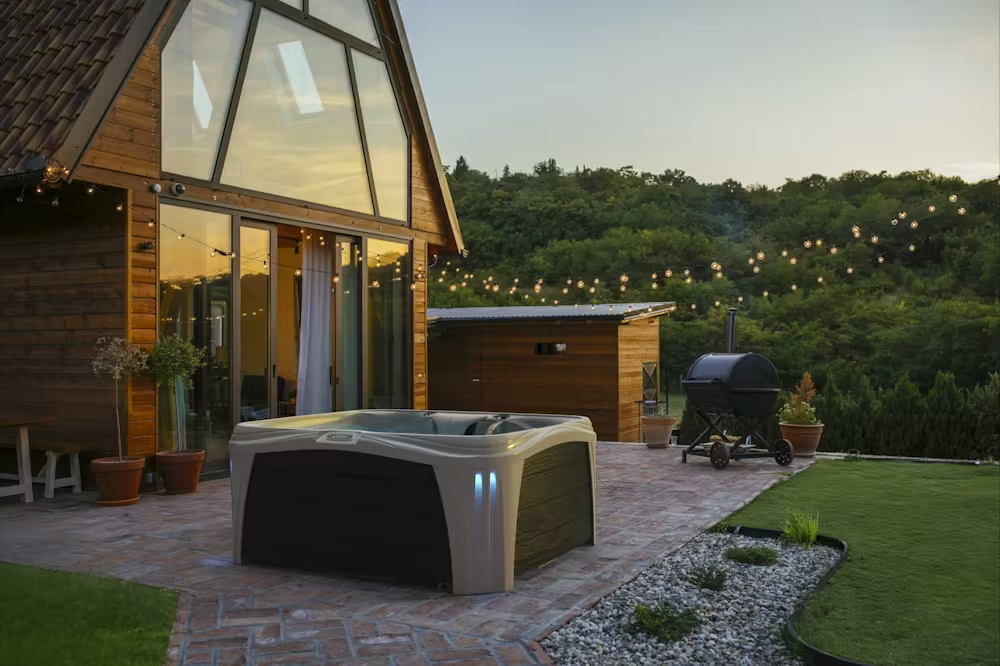
Planning a hot tub installation in the mountains comes with unique considerations, especially in a high-altitude luxury market like Aspen. If you are researching hot tub installation cost in Aspen, CO, it is important to understand that the final price depends on more than the hot tub itself. Site access, electrical work, structural support, delivery logistics, winter weather, permitting, crane needs, and long-term maintenance can all affect your total investment. For homeowners throughout Aspen and the Roaring Fork Valley, a professionally installed hot tub can add year-round comfort, wellness benefits, entertainment value, and a relaxing way to enjoy the mountain lifestyle.
Why Hot Tub Installation Costs More in Mountain Communities
Installing a hot tub in Aspen is different from installing one in a flat suburban backyard. Mountain properties often come with steep driveways, limited access points, snow accumulation, rocky terrain, elevated decks, and colder temperatures. These conditions can make delivery, placement, and utility connections more involved.
Aspen homes also vary widely. Some properties have spacious outdoor patios with simple access, while others sit on slopes, feature custom stonework, or require careful coordination with architects, builders, electricians, or HOA guidelines. Because of this, hot tub installation pricing is rarely one-size-fits-all.
The good news is that with the right planning and an experienced local dealer, homeowners can avoid many common surprises. A professional team can evaluate your site, recommend the right Jacuzzi® hot tub model, and help determine what work may be needed before installation day.
Average Hot Tub Installation Cost in Aspen
While every project is unique, homeowners in mountain markets like Aspen should typically plan for a broader installation budget than they might expect in lower-cost regions. The hot tub itself is only one part of the investment. A full installation may include site preparation, electrical work, delivery, foundation improvements, accessories, and ongoing care.
Common cost categories include:
- The hot tub or spa unit
- Delivery and placement
- Electrical installation
- Concrete pad, reinforced patio, or deck support
- Crane service or specialty equipment if access is limited
- Permits or code-related requirements
- Water care supplies and startup chemicals
- Covers, steps, handrails, and other accessories
- Ongoing service and maintenance
For many Aspen-area homeowners, the total installed cost can vary significantly depending on the complexity of the property. A straightforward patio installation may be much simpler than placing a spa on an elevated deck or behind a home with narrow access. The best way to get accurate pricing is to schedule a local consultation and site review.
The Hot Tub Itself
The largest line item is usually the spa. Jacuzzi® hot tubs come in a range of sizes, designs, seating layouts, jet configurations, and technology levels. A compact model for two or three people will typically cost less than a larger luxury spa designed for families, entertaining, or advanced hydrotherapy.
When comparing models, consider more than size alone. Important features may include:
- Jet performance and massage variety
- Seating depth and comfort
- Energy efficiency
- Insulation quality
- Water care systems
- Lighting and controls
- Ease of maintenance
- Cover quality
- Brand reputation and dealer support
In Aspen’s cold climate, energy efficiency and insulation matter. A well-built hot tub can help retain heat more effectively during winter conditions, which may reduce energy waste and improve comfort. Choosing a quality spa is especially important in the mountains because the unit must perform consistently through freezing temperatures, snow, and frequent use.
Delivery and Placement Costs
Delivery is another major factor in mountain hot tub installation. In some cases, a hot tub can be moved into place with standard delivery equipment. In other situations, the installation may require additional labor, specialized dollies, removal of obstacles, or even crane placement.
Access challenges may include:
- Steep or icy driveways
- Narrow walkways
- Retaining walls
- Fences or gates
- Stairs
- Tight corners
- Elevated decks
- Limited parking or staging areas
- Snow or seasonal access limitations
Crane service can add to the project cost, but it is sometimes the safest and most efficient way to place a spa. This is especially true for homes where the desired location is behind the house, on a terrace, or on an elevated structure. A professional site review can determine whether crane placement is necessary.
Electrical Requirements
Most full-size hot tubs require a dedicated electrical circuit installed by a licensed electrician. In many cases, this involves a 240-volt connection, a disconnect panel, GFCI protection, and code-compliant wiring. The cost depends on how far the spa location is from the electrical panel, whether the existing panel has enough capacity, and how much trenching or routing is required.
Electrical cost factors may include:
- Distance from the main electrical panel
- Panel capacity
- Breaker requirements
- Conduit routing
- Trenching through soil, rock, or hardscape
- Indoor-to-outdoor wiring complexity
- Local code requirements
- Weatherproofing and safety standards
In Aspen and surrounding mountain communities, electrical work should always be handled carefully. Cold weather, moisture, and outdoor exposure make professional installation essential. A properly wired hot tub helps protect your home, your equipment, and everyone who uses the spa.
Foundation and Structural Support
A filled hot tub is extremely heavy. Between the spa shell, water, and occupants, the total weight can reach several thousand pounds. That is why a stable, level, and properly supported foundation is critical.
Common foundation options include:
- Concrete pad
- Reinforced patio
- Structural deck
- Paver base designed for spa weight
- Engineered platform
A simple ground-level concrete pad may be one of the more predictable options, but many Aspen properties feature decks, terraces, or custom outdoor living spaces. If you want to place a hot tub on a deck, you may need a structural engineer or qualified contractor to confirm that the deck can safely support the load.
Ignoring foundation requirements can lead to serious issues, including settling, cracking, poor drainage, equipment strain, and safety concerns. Investing in the right base from the beginning can protect both the spa and your property.
Permits, Codes, and HOA Considerations
Depending on your location, installation details, and property type, permits or approvals may be needed. Electrical permits are common, and some neighborhoods, condo associations, or HOAs may have rules about exterior installations, screening, sound, drainage, or placement.
Possible requirements may involve:
- Electrical permits
- Setback requirements
- HOA approval
- Drainage planning
- Safety access
- Privacy screening
- Deck engineering documentation
- Compliance with local building codes
Aspen-area homeowners should not assume that a hot tub can be placed anywhere on the property without review. Local expertise is valuable because a dealer familiar with the Roaring Fork Valley can help you understand which questions to ask before moving forward.
Winter Weather and Seasonal Timing
Aspen’s winter conditions can affect installation planning. Snow, ice, freezing temperatures, and limited access may make certain installations more difficult during peak winter months. That does not mean winter installation is impossible, but it does mean coordination matters.
For smoother installation, homeowners may want to consider:
- Clearing snow before delivery
- Confirming driveway access
- Preparing the foundation before heavy winter weather
- Scheduling electrical work in advance
- Protecting pathways for the delivery crew
- Planning crane service around weather windows
Many homeowners want their hot tub ready for ski season, so planning early is wise. Starting the process before winter can help avoid delays and allow time for site preparation, electrical scheduling, and model selection.
Water, Drainage, and Ongoing Care
A hot tub does not usually require permanent plumbing, but water access and drainage still matter. You will need a way to fill the spa, drain it periodically, and maintain proper water chemistry.
In a mountain environment, proper drainage is especially important. Drained water should be directed safely away from foundations, walkways, landscaping, and neighboring properties. Ice buildup can also become a safety issue if water is released onto paths or driveways during freezing conditions.
Ongoing care may include:
- Testing and balancing water
- Cleaning filters
- Replacing filters as needed
- Draining and refilling the spa
- Cleaning the shell
- Maintaining the cover
- Scheduling professional service
- Winterizing if the spa will not be used
Many Aspen homeowners prefer professional maintenance because it keeps the spa ready to enjoy without adding another task to a busy schedule.
Accessories That Can Affect the Final Price
Accessories can make a hot tub safer, easier to use, and more enjoyable. While some accessories may be optional, they are worth considering during the planning stage, so you have a realistic total budget.
Popular hot tub accessories include:
- Spa cover
- Cover lifter
- Steps
- Handrails
- Outdoor lighting
- Towel storage
- Privacy screens
- Water care kits
- Replacement filters
- Smart controls
- Seating or patio furniture
- Snow management solutions
In Aspen, a high-quality cover and cover lifter are especially useful. A good cover helps retain heat, protects the water, and makes the spa more efficient. A cover lifter makes it easier to open and close the spa, which is important when using it frequently in cold weather.
Energy Costs in a Cold Mountain Climate
Energy use is another important consideration. A hot tub in Aspen must work harder in cold conditions than it would in a warmer climate. The actual monthly cost depends on the spa’s insulation, water temperature, usage frequency, cover condition, outdoor temperature, wind exposure, and energy rates.
To help manage energy use:
- Choose a well-insulated spa
- Keep the cover closed when not in use
- Maintain the cover seal
- Use wind protection where possible
- Keep water chemistry balanced
- Service equipment as recommended
- Avoid unnecessary temperature fluctuations
A premium hot tub may cost more upfront, but better insulation and efficient components can make a meaningful difference over time. This is one reason many homeowners choose a trusted brand like Jacuzzi® when investing in a mountain property.
Custom Outdoor Living Add-Ons
Some homeowners want more than a basic installation. They may want the hot tub incorporated into a larger outdoor living area with stone patios, privacy features, lighting, fire elements, pergolas, or built-in seating.
These upgrades can enhance the experience, but they also increase the overall project cost. Examples include:
- Custom decking
- Stone or paver patios
- Retaining walls
- Privacy fencing
- Landscape lighting
- Outdoor showers
- Fire pits or fireplaces
- Built-in steps
- Snowmelt systems
- Covered structures
If you are planning a larger backyard or patio project, it is smart to coordinate hot tub placement early. This helps ensure the spa has the proper foundation, access, electrical routing, drainage, and service clearance.
Why Local Expertise Matters
A local dealer understands the realities of hot tub installation in the Roaring Fork Valley. From mountain access to weather patterns, local code questions, service needs, and product recommendations, working with an experienced team can make the process much easier.
Local support matters for:
- Site planning
- Model selection
- Delivery coordination
- Electrical planning
- Maintenance recommendations
- Warranty support
- Replacement parts
- Seasonal service
- Long-term ownership guidance
Buying a hot tub is not just a product purchase. It is an installation project and a long-term ownership experience. Having a reliable local resource can help homeowners feel confident before, during, and after installation.
How to Budget for Your Aspen Hot Tub Project
The most practical way to budget is to think in phases. Start with the spa model, then add the expected installation requirements based on your property.
A simple planning checklist may include:
- Choose your preferred spa size and model
- Decide where the spa will be placed
- Confirm access for delivery
- Determine whether a crane may be required
- Evaluate the foundation or deck structure
- Speak with a licensed electrician
- Check HOA or permit requirements
- Plan drainage and water access
- Select accessories
- Consider ongoing maintenance
This process helps prevent surprises and gives you a clearer picture of the total investment. It also ensures your hot tub is installed safely, efficiently, and in a location you will enjoy year-round.
FAQ
How much does it cost to install a hot tub in Aspen?
The cost varies based on the hot tub model, delivery access, electrical work, foundation needs, and site conditions. Aspen installations can be more complex than average because of mountain terrain, snow, steep driveways, and custom outdoor spaces.
Do I need a concrete pad for my hot tub?
Not always, but you do need a stable, level, and properly supported base. A concrete pad is common, but reinforced decks, engineered platforms, or properly prepared paver bases may also work.
Can a hot tub be installed on a deck?
Yes, but the deck must be able to support the full weight of the filled spa and occupants. A contractor or structural engineer may need to evaluate the deck before installation.
Will I need a crane?
You may need a crane if access is limited, the spa cannot be moved safely through the property, or the desired location is on a terrace, deck, or hard-to-reach area. A site review can confirm this.
What electrical work is required?
Most full-size hot tubs require a dedicated electrical circuit installed by a licensed electrician. The exact requirements depend on the spa model, panel capacity, distance from the panel, and local code.
Can a hot tub be installed during winter?
Yes, but winter installation requires careful planning. Snow removal, driveway access, foundation readiness, and weather conditions all matter.
How often does a hot tub need maintenance?
Most hot tubs require regular water testing, filter cleaning, chemical balancing, and periodic draining and refilling. Professional maintenance can help keep the spa clean, safe, and ready to use.
Are Jacuzzi® hot tubs good for mountain homes?
Yes. Jacuzzi® hot tubs are a strong choice for mountain homes because they are designed for comfort, hydrotherapy, and reliable performance. For Aspen homeowners, quality insulation and dependable dealer support are especially important.
What is the best location for a hot tub?
The best location is level, accessible, private, close enough to the home for convenient use, and suitable for electrical routing and drainage. Views, wind exposure, snow management, and service access should also be considered.
How do I get an accurate installation quote?
The best way is to schedule a consultation with a local hot tub dealer. A professional can review your property, discuss your goals, recommend models, and identify installation requirements.
Call Ajax Pool & Spa for Aspen Hot Tub Installation Solutions
If you are ready to explore a hot tub for your Aspen-area home, we can help you plan with confidence. As a Jacuzzi® hot tubs dealer serving the Roaring Fork Valley, we understand the unique requirements of mountain installations, from site access and electrical planning to comfort, efficiency, and long-term care. Whether you are creating a private retreat after a day on the slopes or upgrading your outdoor living space for year-round relaxation, our team can help you find the right solution for your home. Contact us to learn more, and let’s talk solutions.