
Hot Tub Maintenance in Aspen: How Often Do You Need Service?
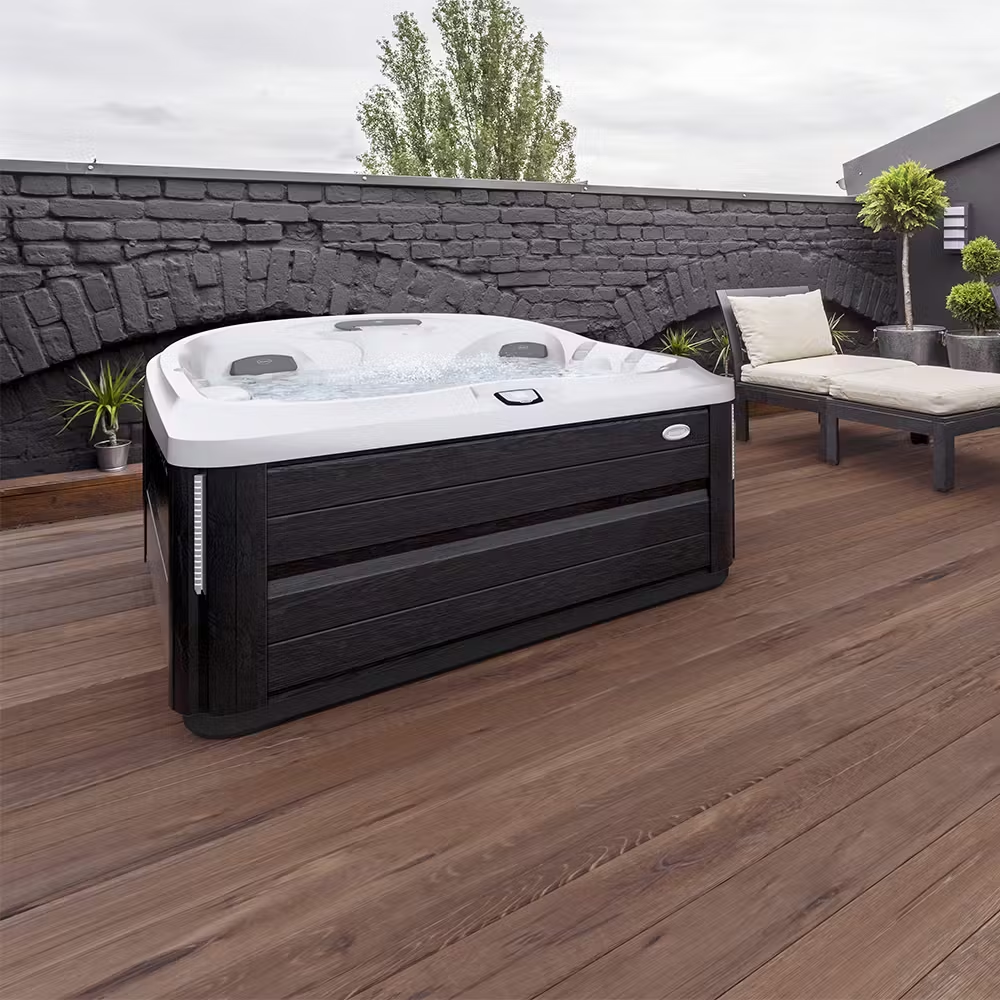
When it comes to hot tub maintenance in Aspen, CO, consistency is the key to protecting your investment, preserving water quality, and making sure your spa is always ready when you are. Aspen’s mountain climate brings unique considerations for hot tub owners, from freezing temperatures and heavy snowfall to mineral-rich water and frequent seasonal use. Whether your hot tub is a private backyard retreat, a vacation home amenity, or part of a rental property, routine service helps prevent costly repairs and keeps every soak safe, comfortable, and enjoyable.
A hot tub is designed to deliver relaxation, hydrotherapy, and year-round enjoyment. However, it also requires ongoing attention. Warm water, frequent use, outdoor exposure, and changing weather conditions all affect how quickly water chemistry shifts and how hard equipment has to work. In a place like Aspen, where winters can be long and temperatures can drop quickly, maintenance is not just about cleanliness. It is also about protecting plumbing, pumps, heaters, covers, and surfaces from unnecessary wear.
So, how often do you really need hot tub service in Aspen? The answer depends on how often the spa is used, where it is located, the quality of the water, and whether the hot tub serves a household, guests, or vacation renters. In general, most hot tubs benefit from weekly water care, monthly equipment checks, quarterly draining and refilling, and seasonal inspections before and after the busiest months of use.
Why Hot Tub Maintenance Matters in Aspen
Hot tubs work best when water, equipment, and surfaces are all properly maintained. Because hot tubs operate at higher temperatures than pools, water chemistry can change faster. A small imbalance in sanitizer, pH, alkalinity, or calcium hardness can quickly lead to cloudy water, scale buildup, corrosion, unpleasant odors, or skin and eye irritation.
In Aspen, maintenance is especially important because local conditions can place added strain on your spa. Cold temperatures make freeze protection essential. Snow and ice can damage covers if they are not cleared properly. Outdoor tubs may collect debris from trees, landscaping, wind, and storms. Vacation properties may also experience inconsistent use, which can make water care more challenging.
Regular service helps prevent common issues such as:
- Cloudy, foamy, or discolored water
- Scale buildup on jets, shells, and plumbing
- Low sanitizer levels
- Strong chemical odors
- Heater inefficiency
- Clogged or dirty filters
- Pump strain or circulation problems
- Cover damage from snow, ice, or moisture
- Freeze-related equipment damage
- Premature wear on spa components
A well-maintained hot tub is easier to enjoy, less expensive to operate, and less likely to surprise you with an emergency repair.
How Often Should You Service a Hot Tub?
For most hot tub owners, a good maintenance schedule includes a mix of weekly, monthly, quarterly, and seasonal tasks. Some homeowners handle basic water testing themselves and rely on professionals for deeper service. Others prefer full-service maintenance so they can enjoy the spa without managing chemicals, cleaning, and inspections.
A typical hot tub maintenance schedule looks like this:
- Daily or after each use: Check water clarity, secure the cover, and remove visible debris.
- Two to three times per week: Test sanitizer and pH levels, especially during periods of heavy use.
- Weekly: Balance water chemistry, rinse filters, wipe the waterline, and inspect the cover.
- Monthly: Deep clean filters, check jets, inspect equipment, and review water quality trends.
- Every three to four months: Drain, clean, and refill the hot tub.
- Seasonally: Schedule a professional inspection before winter and after peak use periods.
In Aspen, professional weekly or biweekly service is often a smart choice, especially for homeowners who travel, manage short-term rentals, or use their spa frequently during ski season.
Weekly Hot Tub Maintenance
Weekly maintenance is the foundation of clean, safe, and reliable hot tub ownership. Because hot tub water is warm and relatively low in volume, chemical levels can fluctuate quickly. Even one weekend of heavy use can throw the water out of balance.
Weekly hot tub service should include:
- Testing sanitizer, pH, alkalinity, and calcium hardness
- Adjusting chemicals as needed
- Shocking the water when appropriate
- Rinsing or rotating filters
- Removing leaves, dirt, hair, and other debris
- Cleaning the waterline
- Checking water level
- Inspecting the cover for moisture, sagging, or damage
- Verifying that jets and circulation are working properly
Weekly service is especially important if your hot tub is used by multiple people, located outdoors, or available to guests. More bathers means more body oils, lotions, hair products, detergents, and contaminants entering the water. That added demand makes water chemistry harder to maintain without regular attention.
Monthly Hot Tub Maintenance
Monthly maintenance goes a step beyond routine water care. This is the time to inspect the spa more carefully and address developing issues before they become expensive problems.
Monthly maintenance may include:
- Deep cleaning hot tub filters
- Inspecting jets for weak flow or blockage
- Checking pump and heater performance
- Looking for leaks around the cabinet or equipment area
- Inspecting pillows, controls, and interior surfaces
- Cleaning around the spa cabinet and access panels
- Reviewing chemical use and water condition
- Checking for scale, staining, or corrosion
Filters deserve particular attention. Dirty or clogged filters reduce circulation, force the pump to work harder, and can make the water cloudy even when chemicals are balanced. In many cases, filters should be rinsed weekly and deep cleaned monthly. Depending on use, they may need replacement every year or sooner.
Quarterly Draining and Refilling
Most hot tubs should be drained, cleaned, and refilled every three to four months. Over time, dissolved solids build up in the water. These come from chemicals, minerals, body oils, lotions, detergents, and other organic material. Once total dissolved solids become too high, water becomes harder to balance and less pleasant to use.
Signs your hot tub may need to be drained include:
- Persistent cloudy water
- Foam that does not go away
- Water that smells unpleasant
- Difficulty maintaining sanitizer levels
- Scale buildup
- Water that feels sticky or heavy
- Frequent chemical adjustments with poor results
During a drain and refill, the spa shell should be cleaned, the waterline scrubbed, filters cleaned or replaced, and the system restarted with properly balanced water. This process helps reset the spa and improve overall water quality.
For rental properties or heavily used hot tubs, draining may be needed more often than every three to four months. A professional can help determine the right schedule based on usage and water condition.
Seasonal Maintenance for Aspen’s Climate
Aspen’s climate makes seasonal hot tub care especially important. Many homeowners use their spas most during winter, which is also when equipment protection matters most. A hot tub can be enjoyed year-round in the mountains, but it needs to be ready for cold weather.
Before winter, a professional service visit should include:
- Inspecting the heater, pumps, and circulation system
- Confirming freeze protection settings
- Checking insulation and cabinet condition
- Inspecting the cover for heat loss or waterlogging
- Verifying proper water chemistry
- Looking for leaks or worn components
- Making sure the spa is safe for regular winter use
During winter, owners should keep the water level high enough for proper circulation and avoid turning the spa off unless it has been professionally winterized. A running hot tub is usually better protected than one that is shut down improperly.
After winter, spring service can help address wear from snow, ice, and heavy seasonal use. This may include cover inspection, filter replacement, cabinet cleaning, water change, and a full system check.
How Vacation Homes and Rentals Affect Service Frequency
Hot tubs at vacation homes or rental properties often need more frequent service than private residential spas. Guests may not understand proper hot tub use, and higher turnover can create major swings in water quality. Lotions, sunscreen, spilled drinks, food debris, and high bather loads can all affect the system.
For rental properties, weekly service may not be enough during busy periods. Some properties may need service between guest stays, especially if the hot tub is a featured amenity. Clean water and reliable performance can directly affect guest satisfaction, reviews, and repeat bookings.
Rental hot tub service should focus on:
- Sanitizer levels and water safety
- Water clarity
- Filter condition
- Proper cover use
- Equipment performance
- Fast identification of damage or misuse
- Documentation of water care and service visits
A consistent professional maintenance plan helps property owners reduce risk, protect equipment, and provide a better guest experience.
Signs Your Hot Tub Needs Professional Service
Even with regular care, hot tubs sometimes need professional attention. Calling for service early can prevent a small issue from turning into a major repair.
You should schedule professional service if you notice:
- Water will not stay clear
- The heater is not maintaining temperature
- Jets are weak or inconsistent
- The pump is loud, humming, or not running
- The breaker trips repeatedly
- The control panel shows error codes
- There is water leaking around the spa
- The cover is heavy, cracked, or sagging
- Chemical levels are difficult to balance
- The spa has been unused for an extended period
Professional technicians can inspect components, identify hidden problems, and recommend the right solution based on your specific spa model and usage.
Can You Maintain a Hot Tub Yourself?
Some hot tub owners manage basic maintenance themselves, especially if they use the spa lightly and are comfortable testing and balancing water. However, professional service offers several advantages. It saves time, improves consistency, and helps catch problems before they become expensive.
DIY maintenance usually requires:
- Reliable water testing
- Proper chemicals
- Filter cleaning supplies
- Time each week
- Knowledge of water balance
- Awareness of equipment warning signs
- A regular drain and refill schedule
Professional maintenance is especially helpful for busy homeowners, second-home owners, rental properties, and anyone who wants confidence that their hot tub is being cared for correctly.
The Value of Professional Hot Tub Maintenance
Professional hot tub maintenance is about more than adding chemicals. A trained service provider understands how water chemistry, circulation, filtration, heating, and equipment performance all work together. That experience helps keep your spa operating efficiently and safely.
Professional service can help:
- Extend the life of your hot tub
- Reduce the risk of emergency repairs
- Improve water quality
- Protect heaters, pumps, and plumbing
- Maintain energy efficiency
- Keep the spa ready for use
- Support manufacturer care recommendations
- Provide peace of mind during winter months
In Aspen and throughout the Roaring Fork Valley, local expertise matters. A service provider familiar with mountain conditions can better prepare your spa for temperature swings, snow load, mineral concerns, and seasonal usage patterns.
FAQ
How often should my hot tub be serviced?
Most hot tubs should receive weekly water care and a more thorough professional inspection at least monthly. In Aspen, weekly professional service is often recommended for frequent users, vacation homes, and rental properties.
How often should I drain and refill my hot tub?
Most hot tubs should be drained and refilled every three to four months. Heavy use, rental use, cloudy water, or difficulty balancing chemicals may require more frequent draining.
Do hot tubs need more maintenance in winter?
Yes. Winter weather in Aspen makes proper maintenance especially important. Water level, circulation, heater performance, cover condition, and freeze protection should all be monitored closely.
Can I use my hot tub year-round in Aspen?
Yes. With proper maintenance, hot tubs can be enjoyed year-round. Many owners especially enjoy them during ski season and cold mountain evenings.
Why does my hot tub water get cloudy?
Cloudy water can be caused by low sanitizer, dirty filters, poor circulation, high pH, heavy use, or buildup of dissolved solids. A professional service visit can identify and correct the issue.
How often should hot tub filters be cleaned?
Filters should usually be rinsed weekly and deep cleaned monthly. They should be replaced as needed, often annually, depending on usage and condition.
Is professional service worth it for a hot tub?
Yes. Professional service helps protect your investment, maintain safe water, reduce repair risks, and save time. It is especially valuable in cold climates and for properties that are not occupied full-time.
What happens if I do not maintain my hot tub?
Poor maintenance can lead to cloudy water, unpleasant odors, skin irritation, scale buildup, equipment strain, leaks, heater problems, and costly repairs. In freezing conditions, neglect can also increase the risk of serious damage.
Call Ajax Pool & Spa Today
Your hot tub should be a source of comfort, relaxation, and reliable enjoyment, not another item on your growing maintenance list. Whether you need routine service, seasonal care, water troubleshooting, repairs, or expert guidance on protecting your spa through Aspen’s changing weather, we are here to help.
We are a trusted Jacuzzi® hot tubs dealer serving Aspen and the Roaring Fork Valley. Our team understands the needs of local hot tub owners and can help you keep your spa clean, efficient, and ready whenever you want to enjoy it.
For dependable hot tub service, professional advice, and solutions tailored to your home or property, contact us today. Call today and let’s talk solutions.