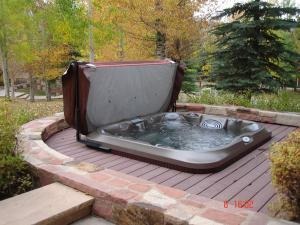
If you are researching hot tub cost in Aspen, CO, you are likely discovering that the answer depends on more than the price of the spa itself. In a mountain market like Aspen, the total investment can include the hot tub model, delivery access, electrical work, foundation preparation, crane placement, winter-ready features, water care, accessories, and ongoing service. For many homeowners, the right hot tub is not simply a purchase. It is a year-round wellness upgrade, a lifestyle feature, and a long-term addition to the home.
Aspen homeowners also face unique considerations that may not apply in lower-elevation markets. Cold winters, snow loads, remote properties, steep driveways, luxury outdoor living spaces, and high expectations for performance all affect planning and cost. A quality spa should be selected, installed, and maintained with these local conditions in mind.
This 2026 guide breaks down what you can expect to pay for a hot tub in Aspen, what affects the final cost, and how to plan for a smart, long-lasting investment.
Average Hot Tub Cost in Aspen, CO in 2026
In 2026, a new hot tub in Aspen typically ranges from about $8,000 to $25,000 or more for the spa itself, depending on size, brand, features, seating, hydrotherapy options, and energy efficiency. Entry-level models may start below that range, while luxury hot tubs with advanced jets, premium cabinetry, sophisticated controls, lighting, entertainment features, and high-performance insulation can exceed it.
A realistic total project budget may fall between $12,000 and $35,000 or more once installation-related expenses are included. Custom projects, challenging delivery locations, structural work, electrical upgrades, landscaping integration, or crane service can increase the final investment.
Typical cost categories include:
Hot tub purchase price
Delivery and placement
Electrical installation
Concrete pad, deck reinforcement, or site preparation
Cover lifter, steps, handrails, and accessories
Water care products
Ongoing maintenance and service
Optional crane or specialty equipment
Landscaping or privacy upgrades
The best way to understand your actual cost is to evaluate your site and compare models based on how you plan to use the spa.
Hot Tub Price Ranges by Category
Hot tubs are available at several price points. While every brand and model is different, most shoppers can think of hot tubs in three general categories.
Entry-Level Hot Tubs
Entry-level hot tubs may cost between $5,000 and $9,000 before installation. These models are usually smaller, with simpler jet systems, fewer advanced features, and more basic cabinetry or controls. They can be a good fit for homeowners who want warm-water relaxation without a long list of luxury upgrades.
However, in Aspen’s climate, it is important to look beyond the initial price. A lower-cost spa may not offer the same insulation, energy performance, filtration quality, or long-term durability as a premium model. In cold-weather regions, those differences can affect monthly operating costs and service needs.
Mid-Range Hot Tubs
Mid-range hot tubs often cost between $9,000 and $16,000 before installation. These spas usually offer a strong balance of comfort, performance, and value. They may include better jet placement, more seating options, improved filtration, stronger insulation, and attractive design features.
For many Aspen-area homeowners, this category provides the right mix of quality and practicality. A mid-range hot tub can serve families, couples, vacation properties, and year-round residents who want dependable hydrotherapy without moving into the highest luxury tier.
Premium and Luxury Hot Tubs
Premium hot tubs commonly range from $16,000 to $25,000 or more before installation. These models are designed for homeowners who want a refined experience, advanced hydrotherapy, high-end materials, efficient performance, and long-term reliability.
Luxury hot tubs may include:
Advanced hydrotherapy jet systems
Ergonomic seating and lounge options
Multi-zone massage therapy
Energy-efficient insulation systems
Premium water management
LED lighting
Water features
Smart controls
Upgraded cabinetry and finishes
Strong warranties and dealer support
For Aspen homes, premium hot tubs can be especially appealing because they are often better suited for frequent use, cold weather, and luxury outdoor spaces.
Installation Costs to Consider in Aspen
The cost of installing a hot tub can vary widely based on the property. A simple installation on a prepared, accessible site may be relatively straightforward. A hillside property, tight courtyard, elevated deck, or snow-prone access route may require more planning.
Delivery and Placement
Standard delivery may be included with some purchases or priced separately. In Aspen, placement can become more complex if the hot tub must be moved through narrow access points, up stairs, across uneven terrain, or into a backyard with limited clearance.
In some cases, a crane may be needed to place the spa safely. Crane service can add several hundred to several thousand dollars, depending on site conditions, scheduling, and the complexity of the lift.
Electrical Work
Most full-size hot tubs require a dedicated electrical connection installed by a licensed electrician. Costs can vary depending on distance from the panel, panel capacity, trenching needs, conduit, disconnect placement, and local code requirements.
Homeowners should plan for electrical work as a separate part of the project. In some cases, an electrical panel upgrade may be needed, especially in older homes or properties with high existing electrical demand.
Foundation or Structural Support
A hot tub needs a solid, level, load-bearing surface. Common options include a reinforced concrete pad, a structurally approved deck, or a professionally prepared paver base. Since a filled hot tub can weigh several thousand pounds, structural support is not an area to guess.
If you plan to place the spa on a deck, balcony, rooftop, or elevated structure, you should consult a qualified professional to confirm load capacity. This is especially important for Aspen properties where snow load and elevation may already be part of the structural equation.
Accessories That Affect Total Cost
The spa itself is only one part of the experience. Most homeowners also choose accessories that improve comfort, safety, usability, and maintenance.
Common hot tub accessories include:
Insulated spa cover
Cover lifter
Steps
Handrail
Water care starter kit
Filter cartridges
Spa vacuum
Towel hooks or storage
Outdoor lighting
Privacy screens
Smart monitoring tools
Some accessories may be included in a package, while others are optional upgrades. A cover lifter, steps, and basic water care products are often worth budgeting for from the beginning because they make daily use easier.
Monthly Operating Costs in Aspen
Monthly hot tub operating costs can include electricity, water care products, filter replacements, and occasional service. Energy costs depend on the spa’s insulation, pump system, heater efficiency, cover quality, frequency of use, outdoor temperature, and how well the spa is maintained.
In a cold climate like Aspen, energy efficiency matters. A well-insulated premium hot tub with a tight-fitting cover may cost more upfront, but can help control long-term operating costs. Poor insulation, an old cover, or frequent heat loss can make a spa more expensive to run over time.
Typical monthly ownership expenses may include:
Electricity
Sanitizer and balancing chemicals
Filter cleaning or replacement
Water changes
Professional maintenance if desired
Repairs as the spa ages
Homeowners who travel frequently or own second homes may also benefit from routine service so the spa stays clean, balanced, and ready to use.
Why Aspen Hot Tub Costs Can Be Higher Than Other Markets
Hot tub costs in Aspen can be higher than in some other areas because of local conditions and project complexity. While the spa price may be similar to other markets, the total project cost can increase when installation requires specialized labor, difficult delivery, or added site preparation.
Factors that may increase cost include:
Mountain access and steep driveways
Snow and winter delivery conditions
Tight property layouts
High-end outdoor design expectations
Crane placement
Deck engineering
Electrical upgrades
Remote or second-home maintenance needs
Premium product preferences
Aspen homeowners often want a hot tub that looks beautiful, performs reliably, and supports year-round use. That usually means investing in quality equipment and professional installation rather than focusing only on the lowest upfront price.
Hot Tub Features Worth Paying For
Not every upgrade is necessary, but some features can make a meaningful difference in comfort, performance, and long-term satisfaction.
Energy-Efficient Insulation
In Aspen, insulation should be a priority. A better-insulated hot tub can retain heat more effectively, reduce strain on the heater, and help control energy use during cold weather.
High-Quality Hydrotherapy Jets
Jet count alone does not tell the whole story. Placement, adjustability, pressure, and seat design matter. A well-designed hydrotherapy system can target the back, shoulders, legs, feet, and neck more effectively.
Durable Cabinetry
Exterior cabinetry should be built to handle sun, snow, moisture, and temperature swings. Low-maintenance materials can help reduce upkeep and keep the spa looking good over time.
Reliable Water Care
A better filtration and sanitation system can make ownership easier. Cleaner water, simpler maintenance, and fewer water care issues can improve the overall experience.
Comfortable Seating
Before choosing a model, consider who will use the spa most often. Lounge seats, upright therapy seats, cool-down seats, and open seating layouts all create different experiences.
Smart Controls
Wi-Fi or app-based controls can be especially useful for Aspen second homes. Remote temperature control and monitoring can help owners prepare the spa before arrival and keep tabs on performance.
How to Budget for a Hot Tub in Aspen
A smart hot tub budget should include more than the sticker price. Before making a purchase, homeowners should consider the full project from selection to long-term maintenance.
A practical budget should include:
Spa model and feature package
Delivery and placement
Electrical work
Foundation or structural preparation
Accessories
Water care products
First-year maintenance
Possible service plan
Contingency for site-specific needs
A good rule is to avoid spending the entire budget on the spa alone. Leaving room for professional installation, accessories, and maintenance will help ensure a better ownership experience.
Is a Premium Hot Tub Worth It in Aspen?
For many homeowners, yes. A premium hot tub can be worth the investment when it offers better comfort, stronger performance, more efficient heating, longer-lasting components, and dependable dealer support. This is especially true in Aspen, where the spa may be used in freezing temperatures and expected to perform consistently throughout the year.
A higher-quality model may also be a better match for luxury homes, vacation rentals, and properties where outdoor living is a major part of the lifestyle. The goal is not simply to buy the most expensive spa. The goal is to choose a model that fits the home, the climate, and the way you plan to use it.
Buying From a Local Dealer vs. Buying Online
Online pricing can look attractive, but hot tubs are not simple plug-and-play products. Delivery, placement, electrical coordination, water care, service, warranty support, and local expertise all matter.
A local dealer can help with:
Choosing the right model
Understanding Aspen-specific installation needs
Reviewing site access
Coordinating delivery
Explaining electrical requirements
Recommending water care systems
Providing maintenance and repair support
Helping with warranty questions
For homeowners in the Roaring Fork Valley, local support can be one of the most valuable parts of the purchase.
FAQ
How much does a hot tub cost in Aspen, CO, in 2026?
Most new hot tubs in Aspen cost between $8,000 and $25,000 or more before installation. Total project costs often range from $12,000 to $35,000 or more, depending on delivery, electrical work, site preparation, accessories, and installation complexity.
Why are hot tub installation costs higher in Aspen?
Aspen properties often involve mountain access, snow conditions, steep driveways, luxury outdoor spaces, and complex placement requirements. These factors can increase delivery, crane, electrical, and site preparation costs.
Do I need a concrete pad for a hot tub?
Not always, but the spa does need a flat, stable, load-bearing surface. A reinforced concrete pad is common, but some decks or paver bases may work if they are properly built and approved for the weight.
Can a hot tub be installed on a deck?
Yes, but the deck must be engineered to support the full weight of the filled spa, water, and occupants. A structural review is strongly recommended before placing a hot tub on any elevated surface.
How much does it cost to run a hot tub in Aspen?
Monthly operating costs vary based on insulation, outdoor temperature, usage, cover quality, and energy rates. In cold climates, choosing an energy-efficient model and maintaining a good cover can help reduce heat loss and operating expenses.
Is a Jacuzzi® hot tub a good choice for Aspen homes?
A Jacuzzi® hot tub can be a strong choice for Aspen homeowners who want premium hydrotherapy, comfort, performance, and dealer-backed support. The right model should be selected based on climate, space, usage, and installation needs.
Do I need professional hot tub maintenance?
Professional maintenance is not required for every owner, but it can be very helpful. It is especially useful for second homes, rental properties, busy households, and anyone who wants consistent water quality with less hands-on upkeep.
When is the best time to buy a hot tub in Aspen?
Hot tubs can be purchased year-round, but planning ahead is wise. If you want your spa ready for winter, begin the process early enough to allow time for site review, electrical work, delivery scheduling, and installation.
Call Ajax Pool & Spa for Hot Tub Solutions in Aspen and the Roaring Fork Valley
A hot tub is a major investment, especially in a mountain environment like Aspen. The right model, the right installation plan, and the right local support can make all the difference in long-term comfort, performance, and value.
When you need hot tub repair in Aspen, CO, it is usually because something has interrupted one of the best parts of mountain living: relaxing in warm, clean, soothing water after a long day outdoors. Whether your spa is not heating, the jets have lost power, the water looks cloudy, or you are seeing an error code on the control panel, a hot tub problem can quickly become frustrating. In Aspen and throughout the Roaring Fork Valley, hot tubs work hard through cold nights, snowy weather, heavy seasonal use, and changing water conditions. Knowing what can go wrong, what repairs may cost, and when to call a professional can help you protect your investment and get back to enjoying your spa with confidence.
Why Hot Tub Repair Matters in Aspen
Hot tubs in Aspen face unique conditions. Cold temperatures, freeze risk, snow accumulation, and frequent use during ski season can place extra stress on spa components. A minor issue that might seem manageable in mild weather can become a serious repair concern when outdoor temperatures drop below freezing.
A properly functioning hot tub is more than a luxury. It is a system of electrical, plumbing, heating, filtration, and water care components that all need to work together. When one part fails, other parts can be affected. For example, a clogged filter may reduce water flow, which can trigger heater problems, strain the pump, and create water quality issues. A small leak can turn into cabinet damage, insulation problems, or freeze damage if ignored.
Prompt repair helps:
Prevent larger and more expensive damage
Protect pumps, heaters, plumbing, and electronics
Maintain clean and safe water
Reduce energy waste
Extend the life of your hot tub
Keep your spa ready during peak use seasons
Common Hot Tub Problems Homeowners Experience
Hot tubs are built to be durable, but no spa is immune to wear and tear. The most common problems usually involve heating, water flow, leaks, pumps, jets, controls, or water quality.
Hot Tub Not Heating Properly
One of the most common repair calls involves a hot tub that will not heat, heats slowly, or cannot maintain temperature. In Aspen, this issue is especially urgent because freezing conditions can create additional risks.
Possible causes include:
Failed heating element
Bad temperature sensor
Tripped high-limit switch
Low water flow
Dirty or clogged filter
Malfunctioning circulation pump
Control board issue
Air lock in the plumbing
Sometimes the problem is simple, such as a clogged filter restricting flow. Other times, the heater or control system may need professional diagnosis. If the spa water is not heating and outdoor temperatures are low, it is best to schedule service quickly to reduce the risk of freeze damage.
Weak or Nonworking Jets
Jets are a major part of the hot tub experience. When they become weak, inconsistent, or stop working entirely, the issue may involve water flow, air controls, diverter valves, pump performance, or blocked jet openings.
Common causes include:
Dirty filters
Closed or partially closed valves
Air lock
Worn pump
Clogged jet lines
Damaged jet inserts
Low water level
Diverter valve problems
If only one or two jets are weak, the issue may be localized. If all jets are weak, the problem may involve the pump, filter, or plumbing system.
Hot Tub Leaks
Leaks are one of the most important issues to address quickly. Even a small leak can lead to cabinet damage, soggy insulation, increased utility costs, and possible freeze complications.
Leaks may come from:
Pump seals
Heater unions
Plumbing fittings
Jet bodies
Manifold connections
Drain assemblies
Cracked pipes
Aging gaskets or O-rings
Finding a leak can be challenging because water may travel inside the cabinet before becoming visible. A professional technician can inspect the plumbing, pressure points, pump area, and equipment bay to locate the source accurately.
Cloudy, Foamy, or Unbalanced Water
Not all hot tub problems are mechanical. Water care issues can make a spa unpleasant or unsafe to use. Cloudy water, foam, odors, scale, or skin irritation may indicate poor filtration, sanitizer imbalance, high total dissolved solids, or improper pH.
Common water quality causes include:
Low sanitizer level
Dirty filter
High pH or low pH
High calcium hardness
Excess lotions, oils, or detergents
Old water that needs draining
Biofilm buildup
Poor circulation
Water problems can also signal mechanical issues. If water is cloudy despite proper chemical care, the filtration or circulation system may not be working correctly.
Error Codes on the Control Panel
Modern hot tubs often display error codes when something is wrong. These codes can point to flow problems, overheating, sensor failures, heater issues, or communication problems between components.
Common error code categories may include:
Flow errors
Overheat warnings
Temperature sensor errors
Pressure switch errors
Heater faults
Control board communication errors
The exact meaning depends on the spa brand and control system. While an owner’s manual may help identify the code, a professional can determine the actual cause and prevent unnecessary parts replacement.
Pump Problems
The pump is one of the hardest-working components in a hot tub. Some spas have a jet pump, a circulation pump, or both. Pump problems can affect heating, filtration, jet performance, and water movement.
Signs of pump trouble include:
Humming without water movement
Loud grinding or squealing
Weak jet pressure
Water leaking near the pump
Pump not turning on
Tripped breaker
Intermittent operation
A pump may need a seal replacement, capacitor replacement, wet end repair, or full replacement, depending on the issue and age of the component.
Electrical or Breaker Issues
If your hot tub keeps tripping the breaker, will not power on, or shuts down unexpectedly, it may have an electrical issue. Electrical problems should always be handled carefully. Hot tubs combine water and electricity, which means professional service is strongly recommended for safety.
Possible causes include:
Faulty heater
Bad pump motor
Moisture in electrical components
Damaged wiring
Control board failure
GFCI breaker issue
Shorted ozone or lighting component
Do not keep resetting a breaker without identifying the cause. Repeated breaker trips are a sign that something needs attention.
How Much Does Hot Tub Repair Cost in Aspen, CO?
Hot tub repair costs vary based on the problem, parts required, labor, spa accessibility, brand, age, and whether winter conditions make the repair more complex. While exact pricing requires an inspection, homeowners can expect costs to fall into general ranges.
Common hot tub repair cost factors include:
Diagnostic service call
Replacement parts
Labor time
Brand-specific components
Travel and accessibility
Leak detection complexity
Winterization or freeze-related work
Age and condition of the spa
Typical Repair Cost Ranges
Although every repair is different, these general ranges can help you plan:
Basic diagnostic visit: often the first step to identify the issue
Filter replacement: usually lower cost and often part of routine maintenance
Sensor replacement: generally moderate, depending on model
Heating element replacement: moderate to higher, depending on access and parts
Pump seal repair: moderate if the motor is still in good condition
Pump replacement: higher cost due to parts and labor
Control board replacement: often one of the more expensive repairs
Leak repair: varies widely depending on location and severity
Freeze damage repair: can be costly if plumbing, pumps, or equipment are damaged
A simple water flow issue may be resolved affordably, while a major leak, failed control board, or freeze-damaged plumbing can cost significantly more. The best way to avoid surprise expenses is to address symptoms early.
Repair vs. Replacement: How to Decide
At some point, homeowners may wonder whether it makes more sense to repair an existing hot tub or replace it. This decision depends on the spa’s age, condition, repair history, energy efficiency, and the cost of the current repair.
Repair may make sense when:
The spa is relatively new
The shell and cabinet are in good shape
The issue is isolated
Replacement parts are available
The repair cost is reasonable compared to replacement
The spa has been well-maintained
Replacement may be worth considering when:
The spa is old and inefficient
Repairs are becoming frequent
Major components are failing
Parts are discontinued
There is extensive leak or freeze damage
Energy costs are unusually high
You want modern comfort, controls, insulation, and hydrotherapy features
A qualified hot tub professional can help you compare repair costs against the long-term value of upgrading.
When You Can Troubleshoot Yourself
Some hot tub issues can be checked before scheduling service. Basic troubleshooting may help resolve minor problems or provide useful information for your technician.
Before calling for repair, you may be able to:
Check that the spa has proper water level
Remove and rinse the filter
Confirm the breaker has not tripped
Look for visible leaks near the equipment bay
Check whether valves are open
Review the owner’s manual for error codes
Make sure the cover is sealing properly
Test and balance the water
Restart the spa according to manufacturer instructions
However, avoid opening electrical components, bypassing safety systems, or replacing parts without proper knowledge. Guessing can lead to more damage and may create safety risks.
When to Call a Professional
Calling a professional is the right choice when the issue involves electrical systems, heating components, leaks, pump failure, recurring error codes, or any problem you cannot confidently identify.
You should call a pro if:
The hot tub is not heating
The breaker keeps tripping
You see water leaking
The pump is noisy, leaking, or not working
Jets are weak even after cleaning the filter
Error codes keep returning
Water quality will not stabilize
The spa may be at risk of freezing
You smell burning or notice unusual electrical behavior
You are unsure which part is causing the issue
Professional service helps protect your spa and your safety. An experienced technician can diagnose the root cause, recommend the right repair, and help prevent repeat problems.
Why Aspen’s Climate Makes Fast Repairs Important
Cold weather can turn a small hot tub issue into a major repair. If circulation stops or the heater fails during freezing conditions, the water inside plumbing lines and equipment can freeze. Frozen water expands, which can crack pipes, damage pumps, break fittings, and create leaks in hard-to-reach areas.
A well-insulated hot tub with a secure cover can hold heat for a while, but it should not be ignored if the equipment stops working. During winter, fast action matters. Keeping the cover closed, maintaining water level, and scheduling service quickly can help reduce damage risk.
Preventive Maintenance Tips to Reduce Repairs
Routine maintenance can help prevent many common hot tub problems. A spa that receives consistent care is more likely to heat efficiently, circulate properly, and last longer.
Helpful maintenance habits include:
Test water regularly
Keep sanitizer at proper levels
Balance pH, alkalinity, and calcium hardness
Rinse filters often
Replace filters as recommended
Drain and refill the spa on schedule
Keep the cover clean and secure
Remove snow load from the cover carefully
Watch for small leaks or unusual sounds
Schedule professional inspections when needed
Preventive care is especially valuable in Aspen because winter conditions can magnify small problems.
Choosing the Right Hot Tub Repair Company
Not all repair providers offer the same level of experience. When choosing a hot tub repair company, look for a team that understands spa systems, local climate challenges, and the needs of homeowners in the Roaring Fork Valley.
A good repair provider should offer:
Clear communication
Professional diagnosis
Experience with quality spa brands
Knowledge of pumps, heaters, controls, and plumbing
Honest repair recommendations
Maintenance guidance
Support for both urgent issues and long-term spa care
Working with a trusted local provider can make repair decisions easier and help keep your hot tub reliable year-round.
FAQ
How do I know if my hot tub heater is bad?
If the water is not warming, heats very slowly, or the control panel shows heater or flow-related errors, the heater may be involved. However, poor water flow, a dirty filter, a bad sensor, or a circulation pump issue can also prevent heating. A professional diagnosis is the best way to confirm the cause.
Why does my hot tub keep tripping the breaker?
A breaker that repeatedly trips may indicate a problem with the heater, pump, wiring, control board, moisture intrusion, or another electrical component. Because this involves electricity and water, stop resetting the breaker repeatedly and call a professional.
Can a leaking hot tub be repaired?
Yes, many hot tub leaks can be repaired. The repair depends on where the leak is located. Pump seals, unions, fittings, jets, and accessible plumbing connections are often repairable. Hidden leaks inside foam insulation or freeze-damaged plumbing may require more involved work.
How often should hot tub filters be cleaned?
Filters should generally be rinsed regularly, often every few weeks, depending on use. Heavy use, lotions, oils, and outdoor debris may require more frequent cleaning. Filters should also be replaced periodically because worn filters can reduce circulation and strain the system.
Is cloudy water always a chemical problem?
No. Cloudy water can come from poor sanitizer balance, high pH, or old water, but it can also be caused by dirty filters, poor circulation, or equipment problems. If water remains cloudy after balancing and filter cleaning, the circulation system may need attention.
What should I do if my hot tub stops working in freezing weather?
Keep the cover closed, check that the spa has power, and contact a professional quickly. Do not drain the spa unless instructed by a technician, as improper draining can increase freeze risk in plumbing lines.
Is it worth repairing an older hot tub?
It depends on the age, condition, repair cost, and availability of parts. If the spa has a strong shell, available parts, and only one isolated problem, repair may be worthwhile. If it has repeated failures, leaks, poor efficiency, or obsolete components, replacement may be the better long-term option.
How can I prevent future hot tub repairs?
Consistent water care, filter maintenance, cover care, and regular inspections can reduce repair needs. Addressing small issues early is one of the best ways to prevent larger and more expensive problems.
Call Ajax Pool & Spa for Hot Tub Repair Solutions
When your spa is not working the way it should, you deserve knowledgeable help from a local team that understands hot tubs, mountain conditions, and the needs of homeowners throughout the Roaring Fork Valley. We are a Jacuzzi® hot tubs dealer serving Aspen, CO, and nearby communities with professional support for hot tub ownership, maintenance, repair concerns, and replacement options.
Whether your hot tub is not heating, leaking, showing an error code, struggling with water quality, or simply not performing like it used to, we can help you find the right next step. Call today and let’s talk solutions.
Planning a hot tub installation in the mountains comes with unique considerations, especially in a high-altitude luxury market like Aspen. If you are researching hot tub installation cost in Aspen, CO, it is important to understand that the final price depends on more than the hot tub itself. Site access, electrical work, structural support, delivery logistics, winter weather, permitting, crane needs, and long-term maintenance can all affect your total investment. For homeowners throughout Aspen and the Roaring Fork Valley, a professionally installed hot tub can add year-round comfort, wellness benefits, entertainment value, and a relaxing way to enjoy the mountain lifestyle.
Why Hot Tub Installation Costs More in Mountain Communities
Installing a hot tub in Aspen is different from installing one in a flat suburban backyard. Mountain properties often come with steep driveways, limited access points, snow accumulation, rocky terrain, elevated decks, and colder temperatures. These conditions can make delivery, placement, and utility connections more involved.
Aspen homes also vary widely. Some properties have spacious outdoor patios with simple access, while others sit on slopes, feature custom stonework, or require careful coordination with architects, builders, electricians, or HOA guidelines. Because of this, hot tub installation pricing is rarely one-size-fits-all.
The good news is that with the right planning and an experienced local dealer, homeowners can avoid many common surprises. A professional team can evaluate your site, recommend the right Jacuzzi® hot tub model, and help determine what work may be needed before installation day.
Average Hot Tub Installation Cost in Aspen
While every project is unique, homeowners in mountain markets like Aspen should typically plan for a broader installation budget than they might expect in lower-cost regions. The hot tub itself is only one part of the investment. A full installation may include site preparation, electrical work, delivery, foundation improvements, accessories, and ongoing care.
Common cost categories include:
The hot tub or spa unit
Delivery and placement
Electrical installation
Concrete pad, reinforced patio, or deck support
Crane service or specialty equipment if access is limited
Permits or code-related requirements
Water care supplies and startup chemicals
Covers, steps, handrails, and other accessories
Ongoing service and maintenance
For many Aspen-area homeowners, the total installed cost can vary significantly depending on the complexity of the property. A straightforward patio installation may be much simpler than placing a spa on an elevated deck or behind a home with narrow access. The best way to get accurate pricing is to schedule a local consultation and site review.
The Hot Tub Itself
The largest line item is usually the spa. Jacuzzi® hot tubs come in a range of sizes, designs, seating layouts, jet configurations, and technology levels. A compact model for two or three people will typically cost less than a larger luxury spa designed for families, entertaining, or advanced hydrotherapy.
When comparing models, consider more than size alone. Important features may include:
Jet performance and massage variety
Seating depth and comfort
Energy efficiency
Insulation quality
Water care systems
Lighting and controls
Ease of maintenance
Cover quality
Brand reputation and dealer support
In Aspen’s cold climate, energy efficiency and insulation matter. A well-built hot tub can help retain heat more effectively during winter conditions, which may reduce energy waste and improve comfort. Choosing a quality spa is especially important in the mountains because the unit must perform consistently through freezing temperatures, snow, and frequent use.
Delivery and Placement Costs
Delivery is another major factor in mountain hot tub installation. In some cases, a hot tub can be moved into place with standard delivery equipment. In other situations, the installation may require additional labor, specialized dollies, removal of obstacles, or even crane placement.
Access challenges may include:
Steep or icy driveways
Narrow walkways
Retaining walls
Fences or gates
Stairs
Tight corners
Elevated decks
Limited parking or staging areas
Snow or seasonal access limitations
Crane service can add to the project cost, but it is sometimes the safest and most efficient way to place a spa. This is especially true for homes where the desired location is behind the house, on a terrace, or on an elevated structure. A professional site review can determine whether crane placement is necessary.
Electrical Requirements
Most full-size hot tubs require a dedicated electrical circuit installed by a licensed electrician. In many cases, this involves a 240-volt connection, a disconnect panel, GFCI protection, and code-compliant wiring. The cost depends on how far the spa location is from the electrical panel, whether the existing panel has enough capacity, and how much trenching or routing is required.
Electrical cost factors may include:
Distance from the main electrical panel
Panel capacity
Breaker requirements
Conduit routing
Trenching through soil, rock, or hardscape
Indoor-to-outdoor wiring complexity
Local code requirements
Weatherproofing and safety standards
In Aspen and surrounding mountain communities, electrical work should always be handled carefully. Cold weather, moisture, and outdoor exposure make professional installation essential. A properly wired hot tub helps protect your home, your equipment, and everyone who uses the spa.
Foundation and Structural Support
A filled hot tub is extremely heavy. Between the spa shell, water, and occupants, the total weight can reach several thousand pounds. That is why a stable, level, and properly supported foundation is critical.
Common foundation options include:
Concrete pad
Reinforced patio
Structural deck
Paver base designed for spa weight
Engineered platform
A simple ground-level concrete pad may be one of the more predictable options, but many Aspen properties feature decks, terraces, or custom outdoor living spaces. If you want to place a hot tub on a deck, you may need a structural engineer or qualified contractor to confirm that the deck can safely support the load.
Ignoring foundation requirements can lead to serious issues, including settling, cracking, poor drainage, equipment strain, and safety concerns. Investing in the right base from the beginning can protect both the spa and your property.
Permits, Codes, and HOA Considerations
Depending on your location, installation details, and property type, permits or approvals may be needed. Electrical permits are common, and some neighborhoods, condo associations, or HOAs may have rules about exterior installations, screening, sound, drainage, or placement.
Possible requirements may involve:
Electrical permits
Setback requirements
HOA approval
Drainage planning
Safety access
Privacy screening
Deck engineering documentation
Compliance with local building codes
Aspen-area homeowners should not assume that a hot tub can be placed anywhere on the property without review. Local expertise is valuable because a dealer familiar with the Roaring Fork Valley can help you understand which questions to ask before moving forward.
Winter Weather and Seasonal Timing
Aspen’s winter conditions can affect installation planning. Snow, ice, freezing temperatures, and limited access may make certain installations more difficult during peak winter months. That does not mean winter installation is impossible, but it does mean coordination matters.
For smoother installation, homeowners may want to consider:
Clearing snow before delivery
Confirming driveway access
Preparing the foundation before heavy winter weather
Scheduling electrical work in advance
Protecting pathways for the delivery crew
Planning crane service around weather windows
Many homeowners want their hot tub ready for ski season, so planning early is wise. Starting the process before winter can help avoid delays and allow time for site preparation, electrical scheduling, and model selection.
Water, Drainage, and Ongoing Care
A hot tub does not usually require permanent plumbing, but water access and drainage still matter. You will need a way to fill the spa, drain it periodically, and maintain proper water chemistry.
In a mountain environment, proper drainage is especially important. Drained water should be directed safely away from foundations, walkways, landscaping, and neighboring properties. Ice buildup can also become a safety issue if water is released onto paths or driveways during freezing conditions.
Ongoing care may include:
Testing and balancing water
Cleaning filters
Replacing filters as needed
Draining and refilling the spa
Cleaning the shell
Maintaining the cover
Scheduling professional service
Winterizing if the spa will not be used
Many Aspen homeowners prefer professional maintenance because it keeps the spa ready to enjoy without adding another task to a busy schedule.
Accessories That Can Affect the Final Price
Accessories can make a hot tub safer, easier to use, and more enjoyable. While some accessories may be optional, they are worth considering during the planning stage, so you have a realistic total budget.
Popular hot tub accessories include:
Spa cover
Cover lifter
Steps
Handrails
Outdoor lighting
Towel storage
Privacy screens
Water care kits
Replacement filters
Smart controls
Seating or patio furniture
Snow management solutions
In Aspen, a high-quality cover and cover lifter are especially useful. A good cover helps retain heat, protects the water, and makes the spa more efficient. A cover lifter makes it easier to open and close the spa, which is important when using it frequently in cold weather.
Energy Costs in a Cold Mountain Climate
Energy use is another important consideration. A hot tub in Aspen must work harder in cold conditions than it would in a warmer climate. The actual monthly cost depends on the spa’s insulation, water temperature, usage frequency, cover condition, outdoor temperature, wind exposure, and energy rates.
To help manage energy use:
Choose a well-insulated spa
Keep the cover closed when not in use
Maintain the cover seal
Use wind protection where possible
Keep water chemistry balanced
Service equipment as recommended
Avoid unnecessary temperature fluctuations
A premium hot tub may cost more upfront, but better insulation and efficient components can make a meaningful difference over time. This is one reason many homeowners choose a trusted brand like Jacuzzi® when investing in a mountain property.
Custom Outdoor Living Add-Ons
Some homeowners want more than a basic installation. They may want the hot tub incorporated into a larger outdoor living area with stone patios, privacy features, lighting, fire elements, pergolas, or built-in seating.
These upgrades can enhance the experience, but they also increase the overall project cost. Examples include:
Custom decking
Stone or paver patios
Retaining walls
Privacy fencing
Landscape lighting
Outdoor showers
Fire pits or fireplaces
Built-in steps
Snowmelt systems
Covered structures
If you are planning a larger backyard or patio project, it is smart to coordinate hot tub placement early. This helps ensure the spa has the proper foundation, access, electrical routing, drainage, and service clearance.
Why Local Expertise Matters
A local dealer understands the realities of hot tub installation in the Roaring Fork Valley. From mountain access to weather patterns, local code questions, service needs, and product recommendations, working with an experienced team can make the process much easier.
Local support matters for:
Site planning
Model selection
Delivery coordination
Electrical planning
Maintenance recommendations
Warranty support
Replacement parts
Seasonal service
Long-term ownership guidance
Buying a hot tub is not just a product purchase. It is an installation project and a long-term ownership experience. Having a reliable local resource can help homeowners feel confident before, during, and after installation.
How to Budget for Your Aspen Hot Tub Project
The most practical way to budget is to think in phases. Start with the spa model, then add the expected installation requirements based on your property.
A simple planning checklist may include:
Choose your preferred spa size and model
Decide where the spa will be placed
Confirm access for delivery
Determine whether a crane may be required
Evaluate the foundation or deck structure
Speak with a licensed electrician
Check HOA or permit requirements
Plan drainage and water access
Select accessories
Consider ongoing maintenance
This process helps prevent surprises and gives you a clearer picture of the total investment. It also ensures your hot tub is installed safely, efficiently, and in a location you will enjoy year-round.
FAQ
How much does it cost to install a hot tub in Aspen?
The cost varies based on the hot tub model, delivery access, electrical work, foundation needs, and site conditions. Aspen installations can be more complex than average because of mountain terrain, snow, steep driveways, and custom outdoor spaces.
Do I need a concrete pad for my hot tub?
Not always, but you do need a stable, level, and properly supported base. A concrete pad is common, but reinforced decks, engineered platforms, or properly prepared paver bases may also work.
Can a hot tub be installed on a deck?
Yes, but the deck must be able to support the full weight of the filled spa and occupants. A contractor or structural engineer may need to evaluate the deck before installation.
Will I need a crane?
You may need a crane if access is limited, the spa cannot be moved safely through the property, or the desired location is on a terrace, deck, or hard-to-reach area. A site review can confirm this.
What electrical work is required?
Most full-size hot tubs require a dedicated electrical circuit installed by a licensed electrician. The exact requirements depend on the spa model, panel capacity, distance from the panel, and local code.
Can a hot tub be installed during winter?
Yes, but winter installation requires careful planning. Snow removal, driveway access, foundation readiness, and weather conditions all matter.
How often does a hot tub need maintenance?
Most hot tubs require regular water testing, filter cleaning, chemical balancing, and periodic draining and refilling. Professional maintenance can help keep the spa clean, safe, and ready to use.
Are Jacuzzi® hot tubs good for mountain homes?
Yes. Jacuzzi® hot tubs are a strong choice for mountain homes because they are designed for comfort, hydrotherapy, and reliable performance. For Aspen homeowners, quality insulation and dependable dealer support are especially important.
What is the best location for a hot tub?
The best location is level, accessible, private, close enough to the home for convenient use, and suitable for electrical routing and drainage. Views, wind exposure, snow management, and service access should also be considered.
How do I get an accurate installation quote?
The best way is to schedule a consultation with a local hot tub dealer. A professional can review your property, discuss your goals, recommend models, and identify installation requirements.
Call Ajax Pool & Spa for Aspen Hot Tub Installation Solutions
If you are ready to explore a hot tub for your Aspen-area home, we can help you plan with confidence. As a Jacuzzi® hot tubs dealer serving the Roaring Fork Valley, we understand the unique requirements of mountain installations, from site access and electrical planning to comfort, efficiency, and long-term care. Whether you are creating a private retreat after a day on the slopes or upgrading your outdoor living space for year-round relaxation, our team can help you find the right solution for your home. Contact us to learn more, and let’s talk solutions.
When it comes to hot tub maintenance in Aspen, CO, consistency is the key to protecting your investment, preserving water quality, and making sure your spa is always ready when you are. Aspen’s mountain climate brings unique considerations for hot tub owners, from freezing temperatures and heavy snowfall to mineral-rich water and frequent seasonal use. Whether your hot tub is a private backyard retreat, a vacation home amenity, or part of a rental property, routine service helps prevent costly repairs and keeps every soak safe, comfortable, and enjoyable.
A hot tub is designed to deliver relaxation, hydrotherapy, and year-round enjoyment. However, it also requires ongoing attention. Warm water, frequent use, outdoor exposure, and changing weather conditions all affect how quickly water chemistry shifts and how hard equipment has to work. In a place like Aspen, where winters can be long and temperatures can drop quickly, maintenance is not just about cleanliness. It is also about protecting plumbing, pumps, heaters, covers, and surfaces from unnecessary wear.
So, how often do you really need hot tub service in Aspen? The answer depends on how often the spa is used, where it is located, the quality of the water, and whether the hot tub serves a household, guests, or vacation renters. In general, most hot tubs benefit from weekly water care, monthly equipment checks, quarterly draining and refilling, and seasonal inspections before and after the busiest months of use.
Why Hot Tub Maintenance Matters in Aspen
Hot tubs work best when water, equipment, and surfaces are all properly maintained. Because hot tubs operate at higher temperatures than pools, water chemistry can change faster. A small imbalance in sanitizer, pH, alkalinity, or calcium hardness can quickly lead to cloudy water, scale buildup, corrosion, unpleasant odors, or skin and eye irritation.
In Aspen, maintenance is especially important because local conditions can place added strain on your spa. Cold temperatures make freeze protection essential. Snow and ice can damage covers if they are not cleared properly. Outdoor tubs may collect debris from trees, landscaping, wind, and storms. Vacation properties may also experience inconsistent use, which can make water care more challenging.
Regular service helps prevent common issues such as:
Cloudy, foamy, or discolored water
Scale buildup on jets, shells, and plumbing
Low sanitizer levels
Strong chemical odors
Heater inefficiency
Clogged or dirty filters
Pump strain or circulation problems
Cover damage from snow, ice, or moisture
Freeze-related equipment damage
Premature wear on spa components
A well-maintained hot tub is easier to enjoy, less expensive to operate, and less likely to surprise you with an emergency repair.
How Often Should You Service a Hot Tub?
For most hot tub owners, a good maintenance schedule includes a mix of weekly, monthly, quarterly, and seasonal tasks. Some homeowners handle basic water testing themselves and rely on professionals for deeper service. Others prefer full-service maintenance so they can enjoy the spa without managing chemicals, cleaning, and inspections.
A typical hot tub maintenance schedule looks like this:
Daily or after each use: Check water clarity, secure the cover, and remove visible debris.
Two to three times per week: Test sanitizer and pH levels, especially during periods of heavy use.
Weekly: Balance water chemistry, rinse filters, wipe the waterline, and inspect the cover.
Monthly: Deep clean filters, check jets, inspect equipment, and review water quality trends.
Every three to four months: Drain, clean, and refill the hot tub.
Seasonally: Schedule a professional inspection before winter and after peak use periods.
In Aspen, professional weekly or biweekly service is often a smart choice, especially for homeowners who travel, manage short-term rentals, or use their spa frequently during ski season.
Weekly Hot Tub Maintenance
Weekly maintenance is the foundation of clean, safe, and reliable hot tub ownership. Because hot tub water is warm and relatively low in volume, chemical levels can fluctuate quickly. Even one weekend of heavy use can throw the water out of balance.
Weekly hot tub service should include:
Testing sanitizer, pH, alkalinity, and calcium hardness
Adjusting chemicals as needed
Shocking the water when appropriate
Rinsing or rotating filters
Removing leaves, dirt, hair, and other debris
Cleaning the waterline
Checking water level
Inspecting the cover for moisture, sagging, or damage
Verifying that jets and circulation are working properly
Weekly service is especially important if your hot tub is used by multiple people, located outdoors, or available to guests. More bathers means more body oils, lotions, hair products, detergents, and contaminants entering the water. That added demand makes water chemistry harder to maintain without regular attention.
Monthly Hot Tub Maintenance
Monthly maintenance goes a step beyond routine water care. This is the time to inspect the spa more carefully and address developing issues before they become expensive problems.
Monthly maintenance may include:
Deep cleaning hot tub filters
Inspecting jets for weak flow or blockage
Checking pump and heater performance
Looking for leaks around the cabinet or equipment area
Inspecting pillows, controls, and interior surfaces
Cleaning around the spa cabinet and access panels
Reviewing chemical use and water condition
Checking for scale, staining, or corrosion
Filters deserve particular attention. Dirty or clogged filters reduce circulation, force the pump to work harder, and can make the water cloudy even when chemicals are balanced. In many cases, filters should be rinsed weekly and deep cleaned monthly. Depending on use, they may need replacement every year or sooner.
Quarterly Draining and Refilling
Most hot tubs should be drained, cleaned, and refilled every three to four months. Over time, dissolved solids build up in the water. These come from chemicals, minerals, body oils, lotions, detergents, and other organic material. Once total dissolved solids become too high, water becomes harder to balance and less pleasant to use.
Signs your hot tub may need to be drained include:
Persistent cloudy water
Foam that does not go away
Water that smells unpleasant
Difficulty maintaining sanitizer levels
Scale buildup
Water that feels sticky or heavy
Frequent chemical adjustments with poor results
During a drain and refill, the spa shell should be cleaned, the waterline scrubbed, filters cleaned or replaced, and the system restarted with properly balanced water. This process helps reset the spa and improve overall water quality.
For rental properties or heavily used hot tubs, draining may be needed more often than every three to four months. A professional can help determine the right schedule based on usage and water condition.
Seasonal Maintenance for Aspen’s Climate
Aspen’s climate makes seasonal hot tub care especially important. Many homeowners use their spas most during winter, which is also when equipment protection matters most. A hot tub can be enjoyed year-round in the mountains, but it needs to be ready for cold weather.
Before winter, a professional service visit should include:
Inspecting the heater, pumps, and circulation system
Confirming freeze protection settings
Checking insulation and cabinet condition
Inspecting the cover for heat loss or waterlogging
Verifying proper water chemistry
Looking for leaks or worn components
Making sure the spa is safe for regular winter use
During winter, owners should keep the water level high enough for proper circulation and avoid turning the spa off unless it has been professionally winterized. A running hot tub is usually better protected than one that is shut down improperly.
After winter, spring service can help address wear from snow, ice, and heavy seasonal use. This may include cover inspection, filter replacement, cabinet cleaning, water change, and a full system check.
How Vacation Homes and Rentals Affect Service Frequency
Hot tubs at vacation homes or rental properties often need more frequent service than private residential spas. Guests may not understand proper hot tub use, and higher turnover can create major swings in water quality. Lotions, sunscreen, spilled drinks, food debris, and high bather loads can all affect the system.
For rental properties, weekly service may not be enough during busy periods. Some properties may need service between guest stays, especially if the hot tub is a featured amenity. Clean water and reliable performance can directly affect guest satisfaction, reviews, and repeat bookings.
Rental hot tub service should focus on:
Sanitizer levels and water safety
Water clarity
Filter condition
Proper cover use
Equipment performance
Fast identification of damage or misuse
Documentation of water care and service visits
A consistent professional maintenance plan helps property owners reduce risk, protect equipment, and provide a better guest experience.
Signs Your Hot Tub Needs Professional Service
Even with regular care, hot tubs sometimes need professional attention. Calling for service early can prevent a small issue from turning into a major repair.
You should schedule professional service if you notice:
Water will not stay clear
The heater is not maintaining temperature
Jets are weak or inconsistent
The pump is loud, humming, or not running
The breaker trips repeatedly
The control panel shows error codes
There is water leaking around the spa
The cover is heavy, cracked, or sagging
Chemical levels are difficult to balance
The spa has been unused for an extended period
Professional technicians can inspect components, identify hidden problems, and recommend the right solution based on your specific spa model and usage.
Can You Maintain a Hot Tub Yourself?
Some hot tub owners manage basic maintenance themselves, especially if they use the spa lightly and are comfortable testing and balancing water. However, professional service offers several advantages. It saves time, improves consistency, and helps catch problems before they become expensive.
DIY maintenance usually requires:
Reliable water testing
Proper chemicals
Filter cleaning supplies
Time each week
Knowledge of water balance
Awareness of equipment warning signs
A regular drain and refill schedule
Professional maintenance is especially helpful for busy homeowners, second-home owners, rental properties, and anyone who wants confidence that their hot tub is being cared for correctly.
The Value of Professional Hot Tub Maintenance
Professional hot tub maintenance is about more than adding chemicals. A trained service provider understands how water chemistry, circulation, filtration, heating, and equipment performance all work together. That experience helps keep your spa operating efficiently and safely.
Professional service can help:
Extend the life of your hot tub
Reduce the risk of emergency repairs
Improve water quality
Protect heaters, pumps, and plumbing
Maintain energy efficiency
Keep the spa ready for use
Support manufacturer care recommendations
Provide peace of mind during winter months
In Aspen and throughout the Roaring Fork Valley, local expertise matters. A service provider familiar with mountain conditions can better prepare your spa for temperature swings, snow load, mineral concerns, and seasonal usage patterns.
FAQ
How often should my hot tub be serviced?
Most hot tubs should receive weekly water care and a more thorough professional inspection at least monthly. In Aspen, weekly professional service is often recommended for frequent users, vacation homes, and rental properties.
How often should I drain and refill my hot tub?
Most hot tubs should be drained and refilled every three to four months. Heavy use, rental use, cloudy water, or difficulty balancing chemicals may require more frequent draining.
Do hot tubs need more maintenance in winter?
Yes. Winter weather in Aspen makes proper maintenance especially important. Water level, circulation, heater performance, cover condition, and freeze protection should all be monitored closely.
Can I use my hot tub year-round in Aspen?
Yes. With proper maintenance, hot tubs can be enjoyed year-round. Many owners especially enjoy them during ski season and cold mountain evenings.
Why does my hot tub water get cloudy?
Cloudy water can be caused by low sanitizer, dirty filters, poor circulation, high pH, heavy use, or buildup of dissolved solids. A professional service visit can identify and correct the issue.
How often should hot tub filters be cleaned?
Filters should usually be rinsed weekly and deep cleaned monthly. They should be replaced as needed, often annually, depending on usage and condition.
Is professional service worth it for a hot tub?
Yes. Professional service helps protect your investment, maintain safe water, reduce repair risks, and save time. It is especially valuable in cold climates and for properties that are not occupied full-time.
What happens if I do not maintain my hot tub?
Poor maintenance can lead to cloudy water, unpleasant odors, skin irritation, scale buildup, equipment strain, leaks, heater problems, and costly repairs. In freezing conditions, neglect can also increase the risk of serious damage.
Call Ajax Pool & Spa Today
Your hot tub should be a source of comfort, relaxation, and reliable enjoyment, not another item on your growing maintenance list. Whether you need routine service, seasonal care, water troubleshooting, repairs, or expert guidance on protecting your spa through Aspen’s changing weather, we are here to help.
We are a trusted Jacuzzi® hot tubs dealer serving Aspen and the Roaring Fork Valley. Our team understands the needs of local hot tub owners and can help you keep your spa clean, efficient, and ready whenever you want to enjoy it.
For dependable hot tub service, professional advice, and solutions tailored to your home or property, contact us today. Call today and let’s talk solutions.
Quick Answer: Call a hot tub repair professional immediately if your spa stops heating, loses circulation, leaks water, trips the breaker, makes unusual pump noises, or shows error codes. In Aspen and Basalt winters, even minor issues can quickly lead to frozen plumbing, major equipment damage, and repairs costing $1,000 or more.
Hot tub problems are never convenient, but in Colorado mountain winters, they can become emergencies fast.
This guide covers the most important warning signs that your hot tub needs professional repair, what causes them, and what Aspen-area homeowners should do next.
Why Hot Tub Repairs Are More Urgent in Aspen Winters
Hot tubs in cold climates face higher stress because:
Heaters run more frequently
Plumbing is exposed to freezing temperatures
Snowstorms increase power outage risk
Freeze expansion can crack pipes quickly
In the Roaring Fork Valley, a spa that stops circulating during sub-zero weather can freeze within hours.
That’s why recognizing repair warning signs early is essential.
7 Signs Your Hot Tub Needs Professional Repair
Below are the most common and most serious spa repair issues seen in Aspen and Basalt.
1. Hot Tub Not Heating Properly
If your spa water will not reach temperature, the problem may involve:
Heater element failure
Flow switch malfunction
Thermostat or sensor issues
Low water circulation
Why This Matters in Winter
Without heat, your spa is at higher freeze risk, especially overnight.
Call for service immediately if water temperature drops unexpectedly.
2. Weak Jets or No Water Circulation
Low jet pressure is often caused by:
Clogged or dirty filters
Airlock in plumbing
Circulation pump failure
Blocked intake valves
Immediate Steps
Check filters first
Ensure water level is above jets
If pressure remains weak, stop use and call a technician
Loss of circulation is one of the fastest paths to freeze damage.
3. Hot Tub Is Leaking Water
Water leaks should never be ignored.
Common leak sources include:
Pump unions
Heater manifolds
Cracked plumbing fittings
Jet body seals
Leak Risk in Aspen
A small leak can become catastrophic if water freezes inside cabinet plumbing.
If you notice water under the spa, schedule repair immediately.
4. Breaker Keeps Tripping or Spa Won’t Power On
Electrical problems are serious and unsafe to troubleshoot alone.