Best Hot Tubs for Basalt Mountain Homes: A Buyer’s Guide
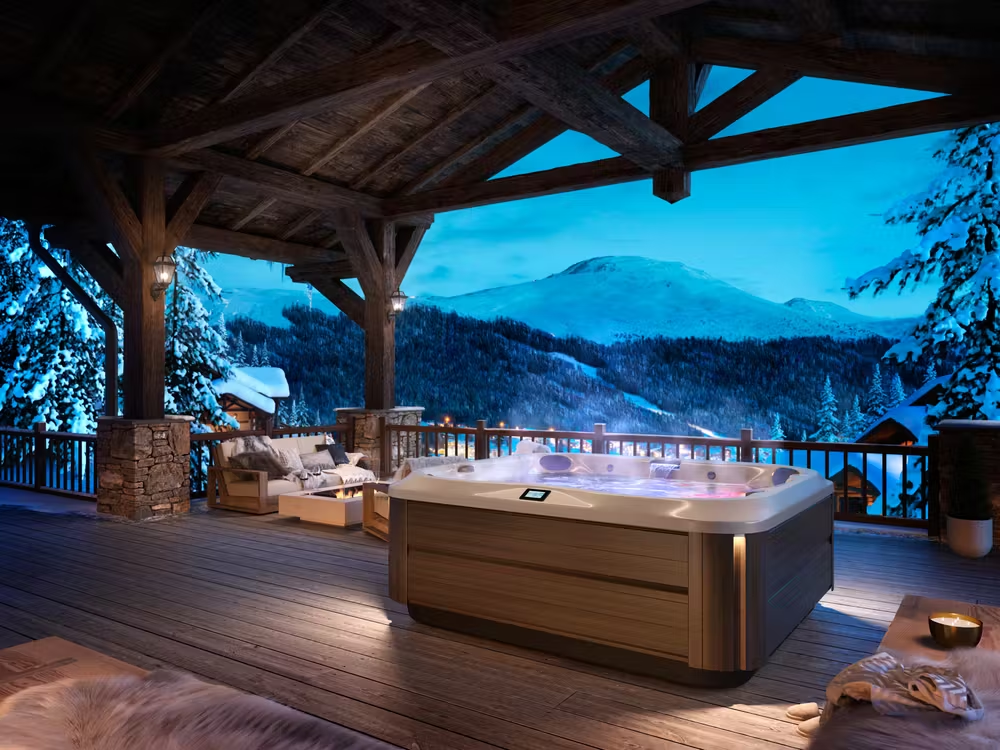
Owning a home in the mountains comes with a lifestyle that is difficult to replicate anywhere else. Crisp evenings, snowy winters, expansive views, and easy access to outdoor recreation are all part of the appeal. A hot tub can make that lifestyle even better. When shopping for hot tubs for mountain homes in Basalt, however, homeowners should consider more than the number of seats or the appearance of the shell.
Elevation, cold temperatures, energy efficiency, insulation, durability, maintenance, and installation requirements can all affect which spa is the right choice. A quality hot tub should feel like a natural extension of your mountain home. Whether you want a relaxing place to unwind after skiing, a comfortable gathering spot for family and friends, or a private retreat where you can enjoy the scenery, choosing the right model can give you years of enjoyment. This buyer’s guide covers the most important factors to consider when selecting a hot tub for a Basalt mountain property.
Why Hot Tubs Are a Natural Fit for Basalt Homes
Basalt sits in Colorado’s Roaring Fork Valley, where residents can enjoy an active outdoor lifestyle throughout the year. After a long hike, a day on the slopes, or an afternoon spent exploring the surrounding mountains, slipping into warm water can be an inviting way to end the day. A hot tub can also make outdoor living areas more useful during colder months. Instead of closing off the patio or deck once temperatures drop, homeowners can continue enjoying their outdoor space throughout much of the year.
For many mountain homeowners, a spa serves several purposes at once:
- A place to relax after outdoor activities
- A comfortable gathering area for family and guests
- A year-round outdoor amenity
- An attractive addition to a deck, patio, or landscaped space
- A private setting for enjoying mountain views
The key is selecting a model that can handle the environment while delivering the comfort and features you want. A well-chosen hot tub should complement both your property and the way you plan to use it. Taking the time to compare construction, efficiency, comfort, and support can make a major difference in long-term satisfaction.
Look for Excellent Insulation
Insulation should be one of the first things you evaluate when comparing hot tubs for a mountain property. Maintaining warm water requires energy, particularly during cold Colorado winters. A well-insulated spa is designed to retain heat more effectively, reducing the amount of work required from the heating system. Quality insulation can provide several advantages, including more consistent water temperatures and improved energy efficiency.
When talking with a hot tub dealer, ask how individual models are insulated. Do not assume every spa uses the same construction method. The cabinet, plumbing area, shell, and cover can all influence heat retention. A well-made hot tub should be designed as a complete system rather than simply relying on a powerful heater to compensate for heat loss.
Pay Attention to the Hot Tub Cover
The cover is easy to overlook, but it plays an important role in the performance of a mountain hot tub. Because heat rises, the surface of the water can be a significant source of heat loss. A properly fitted, insulated cover helps keep warmth inside the spa when it is not being used. A good cover also helps keep snow, leaves, dirt, and other debris out of the water.
For a Basalt home, consider a cover that is:
- Well insulated
- Designed for a snug fit
- Durable enough for regular outdoor exposure
- Easy to secure
- Manageable to open and close
It may also be worthwhile to discuss a cover-lifting system. A cover lifter can make opening and closing the spa easier, especially when the hot tub is used frequently. Small conveniences like this can make the spa easier to enjoy throughout the year. They can also encourage more consistent use by reducing the effort required each time you want to get in.
Choose the Right Size for Your Lifestyle
Bigger is not automatically better. The best hot tub size depends on how you plan to use it. A couple who primarily wants a quiet place to relax may prefer a smaller spa with fewer seats. A household that regularly entertains guests may want a larger model.
Before shopping, think about how many people will realistically use the hot tub at the same time. Ask yourself:
- Will the spa primarily be used by one or two people?
- Do you regularly host family or friends?
- Do you want a variety of seating positions?
- Will children use the spa?
- How much room is available on your deck or patio?
A showroom visit can be particularly helpful when comparing sizes. A spa that appears large in photographs may feel very different once you actually sit in it. Seeing several models in person can make it easier to understand seat depth, interior space, and how comfortable the spa will be for your household.
Consider Seating Style and Comfort
Hot tub seating can vary considerably from one model to another. Some spas use mostly upright seating, while others include lounge-style seats that allow users to recline. Certain models combine both approaches. Neither option is universally better, so the right configuration depends on personal preference.
A lounger may be appealing if you enjoy stretching out and relaxing. Open seating, on the other hand, can provide more flexibility when several people are using the spa simultaneously. Seat depth is another important consideration, since people of different heights may experience the same seat differently. Comfort should ultimately be a major factor in your decision, because you are more likely to use a hot tub regularly if the seats feel natural and supportive.
Evaluate the Jet System
Jets are often one of the most exciting features to compare, but the number of jets does not tell the whole story. Placement, adjustability, water pressure, pump performance, and seat design all influence how a hot tub feels. Some people prefer strong, targeted water movement around areas such as the shoulders and lower back. Others prefer a gentler experience.
When comparing spas, consider where the jets are positioned and whether different seats provide different experiences. Look for models that offer a thoughtful range of jet placements rather than focusing exclusively on the largest possible jet count. A well-designed system should feel balanced and comfortable rather than simply powerful. Testing different seating positions can help you determine which arrangement best suits your preferences.
Prioritize Energy Efficiency
Energy efficiency is especially important when you intend to operate a hot tub throughout the year. The heater, pumps, insulation, cover, plumbing layout, and overall construction can influence operating efficiency. A more efficient hot tub may cost more initially than a basic alternative, but long-term ownership costs should also be part of your decision. Looking beyond the purchase price can help you identify the better overall value.
Ask your dealer about:
- Insulation systems
- Energy-efficient circulation
- Heating performance
- Cover construction
- Programmable settings
- Energy-saving operating modes
It is also useful to discuss how a particular spa performs in colder environments rather than evaluating energy efficiency only under mild conditions. Mountain weather creates different demands than warmer climates. A model designed with cold-weather performance in mind can help provide a more consistent ownership experience through every season.
Think About Winter Accessibility
Imagine walking from your back door to the hot tub on a snowy evening. How far do you want to walk? For mountain homes, convenience matters, and a spa installed near the house may be used much more frequently than one located at the far end of the property. When planning your installation, think about the pathway between the home and the hot tub.
Ideally, the route should be easy to navigate during cold or snowy weather. Lighting can also improve usability, since path lights or nearby exterior lighting can make evening access safer and more inviting. You may also want somewhere nearby to hang robes or towels so that everything you need is within easy reach. These seemingly small details can have a major impact on how enjoyable the hot tub is during winter.
Choose a Location With the View in Mind
One of the advantages of living in Basalt is the scenery, so take advantage of it. Hot tub placement can dramatically affect the overall experience. Before choosing a location, sit or stand in the potential installation area and look at the surroundings from approximately the same height you would have while seated in the spa. This simple exercise can help you picture how the finished space will actually feel.
Consider:
- Mountain views
- Trees and landscaping
- Privacy from neighboring properties
- Wind exposure
- Proximity to the home
- Existing outdoor living areas
A visually appealing location can turn the hot tub into a true destination rather than simply another piece of outdoor equipment. The best placement combines scenery, comfort, accessibility, and practical installation considerations. Thinking about all of these factors together can help you create an outdoor area you will want to use throughout the year.
Do Not Forget Privacy
A sweeping mountain view is wonderful, but most homeowners also want some privacy while using their spa. Depending on the property, privacy can be created through natural or architectural elements. The goal is to create separation from neighboring properties without unnecessarily blocking the views you enjoy. Thoughtful positioning can often provide a good balance between openness and seclusion.
Options may include:
- Evergreen landscaping
- Decorative privacy screens
- Fencing
- Pergolas
- Strategic spa positioning
Privacy features can also help the hot tub feel more connected to the overall design of your outdoor space. Landscaping, fencing, and structures can be coordinated with the home rather than added as an afterthought. A well-planned setting can make the spa feel more inviting and intentional.
Make Sure the Installation Surface Is Appropriate
A filled hot tub is extremely heavy, so it needs a properly prepared foundation. Depending on the property and spa, installation may involve a concrete pad, engineered deck, or another approved structural surface. Never assume that an existing deck can automatically support a hot tub. The combined weight of the water, spa, and occupants can create substantial structural demands.
If you are considering a deck installation, appropriate professionals may need to evaluate the structure and determine whether additional reinforcement is required. Your hot tub dealer can also explain the manufacturer’s installation requirements for the model you choose. Addressing the foundation early can help avoid complications later. Proper site preparation also supports safer, more reliable long-term use.
Plan for Electrical Requirements Early
Most permanent residential hot tubs require dedicated electrical service. Electrical requirements vary by model, so this is something to address before installation day. A qualified electrician should handle the appropriate electrical work and ensure the installation follows applicable requirements. Planning ahead can prevent delays and help make the delivery and startup process much smoother.
It is helpful to identify your preferred spa model before finalizing electrical work. That way, the electrician can work from the manufacturer’s specific requirements rather than making assumptions. Coordinating the dealer, electrician, and any contractor involved in site preparation can help keep the installation process organized. Good planning is especially valuable for mountain properties where access or weather may complicate construction.
Consider Maintenance Requirements
Every hot tub requires ongoing care, but modern water-care systems can simplify the process. Routine spa maintenance generally involves monitoring water chemistry, sanitizing the water, cleaning filters, maintaining the waterline, and periodically replacing the water. These tasks become much easier once you establish a regular routine. Understanding the basic maintenance requirements before buying can help set realistic expectations.
When comparing hot tubs, ask how the model’s filtration and water-care systems work. You should understand what ownership will require before making a purchase. A knowledgeable local dealer can also be valuable after the sale. Being able to ask questions about water chemistry, replacement filters, maintenance products, or service can make ownership significantly easier.
Look Beyond the Initial Purchase Price
Price matters, but the least expensive spa is not necessarily the least expensive spa to own. When comparing options, think about total value over time. Construction quality, insulation, energy use, maintenance, warranty coverage, and dealer support can all influence the overall ownership experience. A lower upfront price may be less appealing if it leads to higher energy or repair costs later.
Consider:
- Construction quality
- Insulation
- Energy efficiency
- Warranty protection
- Dealer support
- Replacement parts
- Maintenance requirements
- Expected longevity
- Comfort and performance
Buying a hot tub is a long-term investment. Spending more on a well-built spa from an established manufacturer can make sense if it provides better performance, efficiency, reliability, and support. It is often more helpful to compare overall value than to compare price tags alone. A hot tub that performs well for years may ultimately be the more economical choice.
Why Dealer Support Matters in a Mountain Community
Your relationship with the dealer does not necessarily end when the hot tub is delivered. Questions may arise months or years later, and you might need help with water care, replacement parts, seasonal operation, maintenance, or service. Working with a dealer serving the local area gives you access to professionals who understand hot tub ownership in the Roaring Fork Valley. That familiarity can be a major advantage over buying from a distant or online-only seller.
Local knowledge can be particularly valuable when discussing mountain-specific considerations such as cold-weather operation, installation sites, and year-round use. A local dealer can also help you compare models based on how they fit the realities of living in the area. Having a nearby resource for questions and service can make ownership more convenient. It can also give you greater confidence in your purchase from the beginning.
Why Consider a Jacuzzi® Hot Tub?
Jacuzzi® is one of the most recognized names in the hot tub industry. For buyers comparing premium spas, Jacuzzi® models offer numerous combinations of seating layouts, hydrotherapy features, water-care technologies, and comfort options. These choices give homeowners flexibility when matching a spa to their property and lifestyle. The right model will depend on how you plan to use the hot tub and which features matter most to you.
Rather than selecting a hot tub based solely on brand recognition, homeowners should compare individual models and determine which features match their priorities. The best spa is the one that fits your available space, expected number of users, preferred seating style, maintenance preferences, and budget. An experienced dealer can walk you through those differences and help narrow down your choices. Seeing and comparing models in person can also make the decision much easier.
Additional Features Worth Considering
Once you have narrowed your search based on construction, insulation, size, and seating, you can start comparing convenience and lifestyle features. Depending on the model, there may be a range of technology, lighting, water-care, and entertainment options available. These extras can enhance the ownership experience, but they should complement the essentials rather than replace them. Start with quality and comfort, then consider which added features fit your preferences.
Depending on the model, available options may include:
- Interior and exterior lighting
- Water features
- Adjustable jets
- Specialized hydrotherapy seats
- Enhanced filtration systems
- Easy-access controls
- Smartphone-compatible controls
- Entertainment or audio options
Some buyers love technology-rich spas, while others prefer simplicity. Think about which features you will actually use rather than paying extra for options that are unlikely to matter after the first few weeks. A feature that fits naturally into your routine is usually more valuable than one that simply sounds impressive. Your dealer can help explain which options are available on different Jacuzzi® models.
Questions to Ask Before Buying a Hot Tub
A good dealer should be willing to answer detailed questions before you make a decision. The buying process should give you a clear understanding of the spa, its installation requirements, and what ongoing ownership will involve. Asking the right questions also makes it easier to compare models fairly. Do not hesitate to ask for more detail when something is unclear.
Consider asking:
- What size spa works best for my household?
- Which models are best suited for cold climates?
- How is the spa insulated?
- What type of cover is included?
- What are the electrical requirements?
- What foundation does the spa require?
- What routine maintenance is recommended?
- What does the warranty cover?
- How does the water-care system work?
- What service and support are available after installation?
Taking time to ask these questions can make comparing models much easier. It can also reveal important differences between spas that may look similar at first glance. A knowledgeable dealer should help you understand those differences without overwhelming you. The goal is to choose confidently rather than simply choosing quickly.
FAQ About Hot Tubs for Basalt Mountain Homes
What size hot tub is best for a mountain home?
It depends on your household and entertaining habits. Smaller spas can work well for couples, while larger models provide more room for families and guests. Always consider available installation space as well.
Can I use a hot tub during a Basalt winter?
Yes. A quality hot tub designed for year-round operation can be enjoyed during cold weather. Proper insulation, an effective cover, regular maintenance, and consistent operation are especially important during winter.
Are insulated hot tubs worth the investment?
For homeowners in colder climates, strong insulation can be particularly valuable because it helps retain heat and supports better energy efficiency. It can also help the spa maintain a more consistent water temperature. In a mountain environment, insulation should be a major buying consideration.
Where should I put my hot tub?
Choose a stable, appropriately prepared surface with convenient access to the house. Also consider views, privacy, electrical access, wind exposure, drainage, and winter accessibility. A well-planned location can improve both the appearance and usability of the spa.
Can I install a hot tub on my deck?
Possibly, but the deck must be capable of supporting the weight of the filled spa and its occupants. Have the structure professionally evaluated before installation. Reinforcement may be necessary depending on the existing deck and the spa you select.
How difficult is hot tub maintenance?
Modern spas can be straightforward to maintain when owners follow a regular schedule for water testing, sanitation, filtration, and cleaning. Your dealer can explain the maintenance requirements of specific models. Establishing a routine can make ongoing care much easier.
Should I leave my hot tub running during winter?
Hot tubs designed for year-round use are generally intended to maintain operating temperatures through winter. Follow the manufacturer’s recommendations and ask your local dealer about proper cold-weather operation. Consistent operation and maintenance are especially important during freezing conditions.
How long should a quality hot tub last?
Service life varies based on construction quality, maintenance, operating conditions, and component care. Choosing a well-built spa and keeping up with routine maintenance can support long-term performance. Professional service when needed can also help protect your investment.
Is buying from a local dealer better than ordering a hot tub online?
A local dealer can provide valuable assistance with model selection, installation planning, water care, replacement products, troubleshooting, and ongoing service. That support can be especially useful for mountain homeowners. Local expertise can help you choose a spa that fits the climate and your property.
Find the Right Hot Tub With Ajax Pool & Spa
The best hot tub for your Basalt home should deliver more than warm water. It should fit comfortably into your property, perform reliably through changing seasons, complement the way you live, and provide a place you genuinely look forward to using. Choosing the right model is easier when you can compare features, seating, efficiency, installation needs, and long-term ownership considerations with an experienced professional. That guidance can help you feel confident that your investment is suited to mountain living.
Ajax Pool & Spa is a Jacuzzi® hot tub dealer serving the Roaring Fork Valley. Whether you are comparing your first spa, upgrading an existing hot tub, or trying to determine which model makes the most sense for your mountain property, our team can help you evaluate your options and find the right fit. From seating and hydrotherapy to energy efficiency, installation considerations, and long-term ownership, choosing a hot tub is easier when you have knowledgeable local support. Ready to start exploring hot tubs for your Basalt mountain home? Contact us today. Call and let’s talk solutions.