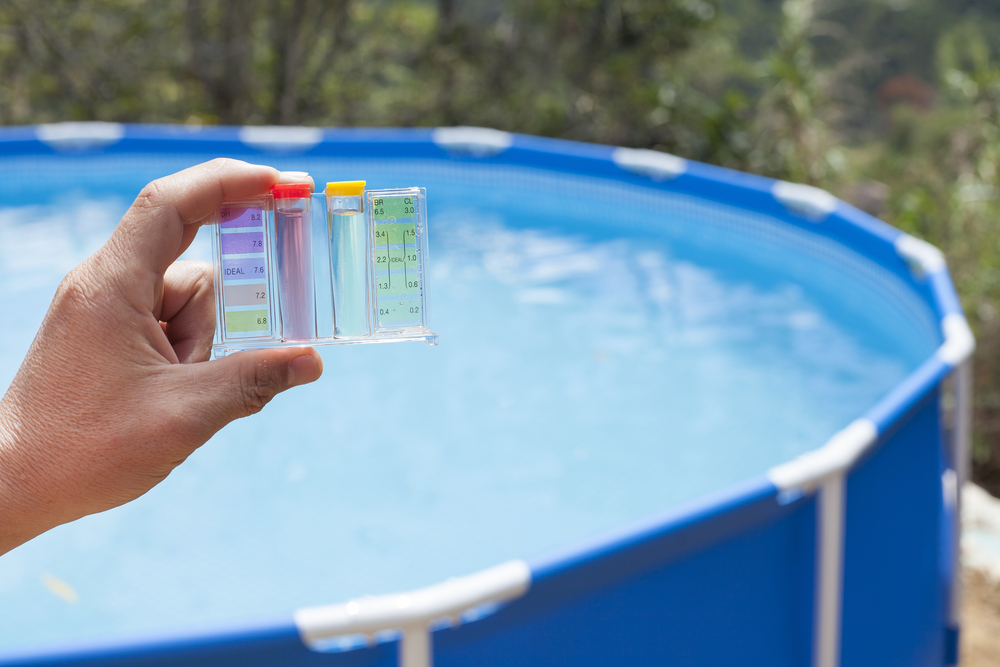
The following scenario is a nightmare for homeowners in the Aspen, Colorado region. One day, the pool frog system is not releasing chlorine and despite their best efforts, they cannot figure out why. If the frog system is not releasing chlorine, this is a sure sign that something needs to be done but what? Let’s take a closer look at the steps that need to be taken in these instances…
Getting Started
There is no reason to delay when it comes time to address issues of this nature. For example, when the cartridge runs out? It needs to be immediately replaced to maintain balanced pool chemicals. If it is not, the pool will quickly become filthy. The cartridge should also be replaced if it is not releasing enough chlorine. These are the simplest steps that can be taken but there are other areas of concern that have to be monitored closely.
What About Cloudy Water?
Obviously, it should go without saying that cloudy water is less than ideal. For starters, the homeowner will want to make sure that they have cleaned the filter, the skimmer and the pump basket. Give the pump an adequate amount of time for circulation. Organic matter buildup must be removed. Shocking the pool is the best choice in these instances. The free chlorine reading should fall somewhere between 0.5 to 1.0 ppm.
What If The Water Has Changed Color?
Metals in the fill water could be causing oxidation. The pool needs to be tested in these instances before the homeowner can proceed. Clean the filter and shock the pool until the proper level of clarity has returned. Algae often forms when discolored water is allowed to remain. The pool needs to be shocked before it has a chance to do so. Make sure that the circulation time is increased. The filter may also need to be cleaned.
What If Algae Does End Up Forming?
In some instances, algae will form despite the homeowner’s best efforts. There’s no reason to be discouraged, though. Nonmetallic (polyquat) algaecide is the homeowner’s best friend when they are looking to eliminate these issues. Brush the sides of the pool often and be sure to follow the instructions on the bottle to the letter. There is no need to deviate or freelance in these cases, as it will cause the algae to remain for longer periods of time.
Clean the pool daily and give it as many chlorine shocks as needed until the clarity has returned. Homeowners must also monitor their regions, as algae growth is more common in certain areas. It is always better to be proactive than reactive when it comes to algae, that is for sure.
What If the FROG Leap Torpedo Pac Is Not Releasing Enough Chlorine?
Make sure that there are chlorine tablets in the tower areas of the Tornado Pac if the level does not remain anywhere between 0.5 to 1.0 ppm. Check the FROG system to make sure that it was installed properly as well. If any corrections have to be made, check back in 24 hours. If the levels remain low, raise by one setting per day. Repeat the process each day until the proper levels have been achieved.
Has the reading been lower than 0.5 ppm for more than one day? If so, this is another sign that the pool needs to be shocked. The pump run time is also crucial. The pool needs at least 6 hours on high speed for best results. Has the back pressure been tested to ensure it is at least 4 psi? If not, this is a sign that the dealer needs to be contacted.
Suction side leaks are another common culprit in these scenarios. Take a closer look at the pump basket and return jets. Are there any air bubbles? This could be the cause of the issues. A dealer’s assistance is crucial when remedying these situations so be sure to contact the professionals.
Any potential client who is having issues with their pool’s FROG system should always take the time to speak with professionals. Ajax Pool and Spa have the necessary experience, ensuring a speedy return to normalcy for all parties involved. Contact us as soon as these sorts of issues start to take place!
Knowing how to raise pH in a pool is an art. While there are some simple instructions that need to be followed, the process is actually not all that difficult. Colorado homeowners who are looking to address any pH-related concerns in their at-home pools would do well to read on and learn more.
When Does The pH Level Need To Be Adjusted?
Knowing when the pH level has to be altered is very important. According to the experts, the level cannot drop below 7. If this happens, the homeowner is risking severe and costly damages. The surface of the pool will be damaged and chlorine loss may also take place. Use an electronic meter or a liquid test kit to check the levels on a consistent basis. The sample should be drawn from the middle of the pool, in a clean bottle.
Otherwise, the skimmers and return jets could compromise the results. Liquid test kits tend to offer the most accurate results, so bear that in mind. Digital meters are the most expensive of all, but they are typically worth the investment. Test strips should only be used in a pinch.
How Can The Pool’s pH Level Be Altered?
If the pH level is not adjusted, the pool equipment can become corroded. Skin and eye irritation also become far more common in these instances. That is why it is important to alter the pH level as soon as problems occur. No one wants cloudy water or any of the other associated nuisances that take place in these instances. As soon as the chemistry levels have been tested, there are a few follow-up steps that need to be taken.
The homeowner must know how many gallons their pool holds before they can proceed. There is no reason to panic if the homeowner does not have a number at the ready. A little bit of simple math is all that it takes. If the pool is square or rectangular, the formula is as follows: length x width x depth x 7.5. The formula for round pools is diameter x diameter x depth x 5.9.
The chemicals now have to be measured. Soda ash will raise the pH levels, as well as the total alkalinity in the pool. 6 ounces are required for each .2 pH bump that is needed to raise 10,000 gallons of water. In some instances, the homeowner may need to add a bit more, so take it on a case-by-case basis. When it comes time to add the chemicals, make sure that the bucket is clean.
Clean water is needed, too. From there, add the soda ash to the water and slosh it around a bit. This will ensure a proper mixture before it is added to the pool. Pour around the pool’s perimeter for best results. Keep the pump going while the soda ash mixture is being added. Otherwise, it may not circulate through the water properly. Finally, it will be time to check the pool once again.
Wait for at least an hour before testing the pool’s pH levels and alkalinity again. Are the levels back where they are supposed to be? If so, that means that the homeowner’s job is complete. If not, that means that the process needs to be repeated until the proper pH range has been reached. The water may be a bit cloudy when the job is over, but it should clear up within a few hours.
Test other levels if the problem persists. Chlorine and calcium hardness levels may also need to be adjusted in these instances. The pool could also be unclean. If leaves and debris are not cleaned away in a timely manner, this can cause the pH levels to start lacking. Make sure that the pool is as clean as possible before testing.
If there are any further questions about the pool cleansing process, the experts at Ajax Pool and Spa are always on hand and ready to help. In addition to working tirelessly to ensure the cleanliness of their pool, Colorado homeowners should always be ready to contact the experts if they are having any added issues. They will have your pool looking its best in no time!
Learning how to lower pH in the pool can be challenging but there are a few things that a homeowner who is looking to stabilize their pool or hot tub needs to know before they get started. For starters, muriatic acid is used in liquid form to lower pH in swimming pools. Meanwhile, sodium bisulfate is used in spas and hot tubs by those who prefer the dry form. Chlorine systems, on the other hand, rarely rely on chemicals to lower the pH level.
When it comes time to determine what chemicals and methods are needed to address the pH levels, the sanitizing agent for the water helps homeowners to make the right decision. With all that being said, what is the best method for lowering pH? Let’s take a closer look at the two most commonly used chemicals and how they can help.
Sodium Bisulfate vs Muriatic Acid
As mentioned above, the decision is typically based on the type of pool in question. Spas and hot tubs will rely on sodium bisulfate, in its dry form. Muriatic acid is relied upon by swimming pool owners, in its liquid form. Once this distinction has been made, it is time to take a closer look at the steps for each process.
Muriatic Acid
Be sure to have gloves and goggles on.
Measure accordingly and then choose from one of two methods. Some may decide to pour the acid over the return jets. Others could elect to turn the pump off, add the acid and then let the pump do the work.
Re-test the water in at least six hours (but no more than 24).
Sodium Bisulfate
Use the proper amount that is recommended by the manufacturer. Some will recommend using 75% of this amount, for easier correction.
Get the chemical down into the water by placing it in the water return jet site.
Within 10-15 minutes, the powder should be fully dissolved.
Re-test the water in at least six hours (but no more than 24).
Testing and Balancing pH Levels
Thanks to over-the-counter test strips, the process of testing the pH level have never been easier. The CDC recommends that homeowners utilize these at-home testing strips but it is important to make sure that the expiration date on the packaging has not arrived yet. Once the homeowner is ready to get started, they are going to need three containers, 13 cups of normal tap water and three drops of liquid chlorine bleach.
Let the tap run for roughly two minutes. The first container should be filled with one cup of water. The other two containers should be filled with six cups of water apiece. Container two will need one drop of chlorine bleach and container two requires two drops of liquid chlorine bleach. Now, it is time to grab the strips and the instructions from the manufacturer.
The containers of water are going to serve as the testing mechanism for the testing strips. Container one should contain 0 to <1 ppm, container two should be somewhere between 2-3 ppm and container three should end up at 4-5 ppm. If pH needs to be brought down, there are a number of common symptoms to address. Swimmers will usually complain about skin and eye irritation. The water becomes cloudy. The filters and pipes start to clog more easily.
Once the aforementioned chemical-based cleaning methods have taken place, there are some simple ways to keep the pH balance at a desirable level going forward. Be sure to test the pool twice a week for best results. The pool must also be kept clean, as even something as simple as dirty leaves can alter the pH balance. The pool should also be shocked on a regular basis and the filtration system must be checked frequently. These simple preventive measures will go a long way towards preventing an unwanted rise in pH levels.
Contact the Professionals
If there are any other questions or concerns, it is time to speak with the professionals. Be sure to contact Ajax Pool and Spa for maintenance services or chemicals and supplies for pool maintenance. They are also on hand to help homeowners who need to learn how to lower the pH in their pool. Pick up the phone and give Ajax Pool and Spa a call at 970-279-5253 as soon as possible.
The importance of maintaining a hot tub in the summer cannot be understated. Without proper maintenance, the system will not have the lifespan it deserves. The same goes for the system’s level of energy efficiency. Weekly, daily, and sporadic maintenance are required as well. While everyone enjoys the relaxation and comfort that a hot tub has to offer, this peace of mind is destroyed when the hot tub is not running in the manner that’s expected.
Fortunately, an owner can avoid these types of problems if they are willing to keep up with their maintenance on a regular basis. With the necessary care, the system will always run in the manner that it needs to. Aspen homeowners would do well to read on and learn more about the following tips and tricks on how to care for a hot tub in the summer as well:
Tennis, Anyone?
Anyone who has ever seen tennis balls in and around a hot tub has probably wondered why they are there. As it turns out, they can play a key role in the long and short-term maintenance of the hot tub. Place some in the skimmer or the water itself for best results. The tennis balls soak up the lotions and oils that have made their way to the water’s surface. Even if the hot tub is getting heavier usage, the water will still remain fresh. Tennis balls should be a part of any regular maintenance routine.
Drain The Water Regularly
As a rule of thumb, the water in the hot tub needs to be drained on a consistent basis. The experts will recommend doing so every couple of months. At a bare minimum, the tub should be drained every four months. Once the water has been drained, it is time for the homeowner to thoroughly inspect their hot tub and clean it. In these instances, an all-purpose cleaner works best.
Maintaining The Chemical Balance
Once the cleaning and inspection have been taken care of, it is time to check the chemical balance. Test strips can be used to check the water’s level. In a best-case scenario, the alkaline and acid levels should be even. If they are not? This means that it is time to fix it. Add the necessary chemicals on a regular basis, so that these types of issues do not have the chance to fester. The level of frequency will depend on the frequency at which the hot tub is being used.
Quality Water Circulation
In some instances, the Aspen homeowner may own a model that circulates the water for them. If not, this is a task that will need to take place on a consistent basis. If the water does not get a chance to pass through the hot tub’s cartridge filters, this can spell problems down the road. A model that does not automatically circulate the water will need to be turned on for about 15 to 20 minutes per day to ensure that the water is given the chance to pass through the filters. Some hot tub owners may even decide that the process needs to take place twice a day.
Proactive Inspections
When it comes time to inspect a hot tub, no sane homeowner should be waiting until a problem has a chance to take place. It is always better to be proactive instead of reactive in these instances. When cracks, leaks, and various damages occur, it can be hard to spot them before it is too late. By catching these problems early, they can be addressed and fixed in a timely manner.
The filters in the hot tub also need to be examined consistently. When the filters are allowed to get dirty, the hot tub is never going to function as efficiently as it should. Any hot tub owner that sits back and waits for problems to pop up is going to spend far more to fix them on the back end.
When maintenance services are required, it is time to contact the professionals. Ajax Pool and Spa is here to help all of our clients with their hot tub-related needs, including access to the necessary chemicals and supplies. That’s why any Aspen homeowner who is looking to address these types of potential problems is urged to contact Ajax Pool and Spa as soon as possible.
Knowing how to drain a hot tub fast is not nearly as important as knowing how to drain a hot tub properly. While draining the water is important for keeping the water clean, it is also crucial when it comes to preventing damages. By taking the time to drain the water and change it, an Aspen homeowner can avoid a number of long-term issues.
Corrosion is common when hot tubs are not drained on a consistent basis. The balance will be lost and no one wants to soak in dirty water that has not been taken care of properly. To learn about how to drain a hot tub, be sure to check out the following tips and pointers:
When To Drain Your Hot Tub
A hot tub has amazing self-cleaning properties but that does not mean that the owner will not need to change the water from time to time. The frequency at which the tub should be drained depends on the type of system that is being used. Traditional systems that rely on bromine or chlorine will need to have their water changed every three to four months.
Meanwhile, those who have a saltwater system can get away with less frequent hot tub draining. These systems can be drained on a yearly basis. To remain free of contamination, the Aspen homeowner must remain cognizant of the requirements for their specific system.
Draining Your Hot Tub
The process is simple, especially for those who have thought to place their hot tub adjacent to the drain where it was installed. Once the homeowner has decided to get started, there are a few steps that need to be taken, as it is time to gather the necessary equipment. A submersible pump is the best bet for any tub owner that does not want to go through the hassle of finding a garden hose long enough to reach the hot tub from the drain.
A spa shell cleaner and some clean rags are also required. It will take roughly an hour to drain the hot tub if the owner is using a drainage spigot. Those who want to drain a hot tub fast will want to obtain a submersible pump, which allows the tub to drain within ten minutes.
Does The Water Absolutely Have To Be Drained?
In a word, yes. Summer maintenance is absolutely essential to the long-term sustainability of the tub. Experts will recommend that the spa water be changed every three to four months. As chemicals are added to the water, they are going to start to dissolve more and more slowly. When this happens, the water becomes overly saturated, and the hot tub is not nearly as clean as it once was.
The chemistry of the water becomes imbalanced, and the hot tub can even begin to develop a scent. Since the hot tub is smaller than a pool, the more deodorant, lotion, sweat, and oil that gets left behind. None of this is going to be diluted very well, which causes the water to become cloudy and foamy. Added solids are also left behind as the water continues to evaporate, causing more long-term issues.
If the water is not drained during the summer months on a regular basis, the hot tub is not going to be clean or safe. Aspen homeowners must take the time to remove old and dirty water before it has the chance to start corroding the tub itself.
When Is It Time For a Change?
The water needs to be tested on a regular basis so that the proper balance can be maintained. Once the water has become consistently gritty or funky, this is a sure sign that it is time for a change. The frequency at which the spa is used also plays a key role. Divide the total number of gallons in the tub by three. From there, divide this number by the number of daily users. The answer to this formula tells homeowners how often to change the water, taking all of the guesswork out of the equation.
Aspen homeowners who have any further questions about the cleanliness of their hot tub and how regular draining can enhance their enjoyment are more than welcome to contact the good folks at Ajax Pool and Spa. These trained professionals are always on hand, ready to answer any questions or address any concerns that a tub owner may have!