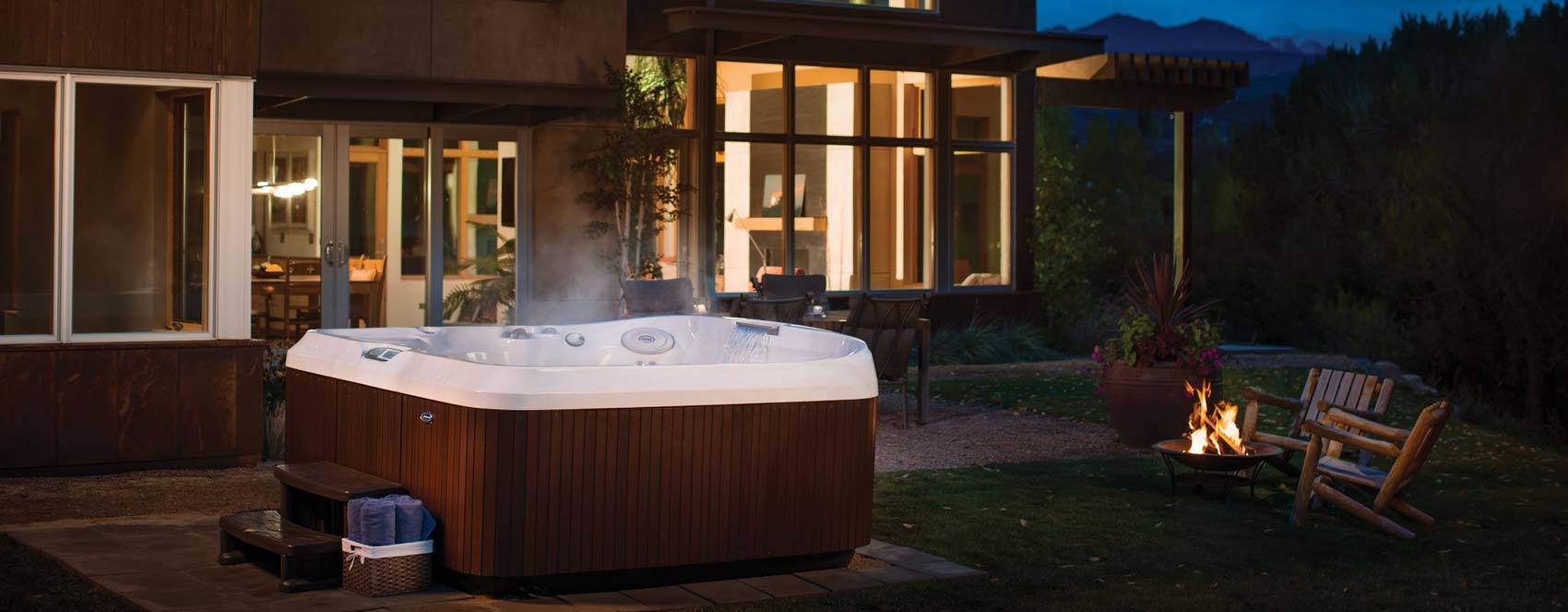
Aspen winters can get downright frigid. When you have a hot tub, you have to consider how often you’re going to use your hot tub. If the answer is, there’s no way that you’re going to strip down to next to nothing and soak in the tub, you’ll want to learn how to winterize a hot tub.
Is Winterizing a Hot Tub Necessary?
Absolutely not. Many modern hot tubs are extremely energy efficient. They require minimal operating costs throughout the winter. Many also have a “sleep mode” that you can switch to so that energy usage is reduced.
The reality is that when you winterize, water is often left in the pipes. This can lead to mold growing over a four to six-month period. This type of mold can be difficult to get rid of – and may end up ruining the entire tub.
However, there are reasons why you may have to winterize – especially if you’re not going to be home to maintain the unit.
The Benefits of Leaving Your Hot Tub or Jacuzzi in Place for the Winter
Since you won’t have to worry about using a lot of energy, keep your jacuzzi running. The benefits are significant:
Warm up with a soak in 104-degree water
Relieve aches and pains in the water
Spend more time in the hot tub during the day when it’s warmer
Have a place where you can socialize
There are plenty of ways to stay warm on your way to and from the hot tub. You bought the unit for the benefits, so you can choose to use it year-round.
If You Must Winterize…
If you decide that you aren’t going to use your hot tub at all, you’ll want to learn how to drain a hot tub for the winter. This way, you can be sure that everything is handled properly – and so that you can easily set it up again as soon as the weather heats up a bit.
Step 1: Disconnect the Power
Be sure that you disconnect all of the power that leads to your hot tub. This can be done by unplugging the cord from the house receptacle. If you have a 230-V model, you’ll also want to trip the GFCI breakers and detach the plumbing lines.
Step 2: Remove the Filters
You’ll want to remove all of the filters and cartridges. Be sure to clean and dry them before placing them in storage. If your filters are older, toss them so that you use new filters when you open your hot tub again in the spring.
Step 3: Drain the Water
Turn off the water source for your hot tub before you begin draining.
You can choose to use the drain, a sump pump, or a hose siphon to get the water out of the unit. Often, a pump is going to be the fastest option since the pressure drops when the water levels drop.
Be sure that you drain all of the lines so that water doesn’t freeze inside of them.
Once all water is removed, use a shop vac to ensure that there is no remaining water left inside of the tub or the water lines.
Step 4: Cover Your Unit
You don’t want snow or ice to accumulate on your hot tub. As such, use the cover that the unit came with or buy a winter tarp to drape over the unit. A large board placed on the spa can also help with the weight distribution if your unit is in a place where it is subject to snowfall.
If your power pack is removable, store it inside so that it doesn’t get damaged by the cold temperatures or the moisture of ice and snow.
Learn More About Caring for Your Hot Tub Now
Learning how to winterize a jacuzzi is one of the many things you should know about caring for your unit. Whether you are looking to shock the water of your hot tub to sanitize it or you are experiencing issues with your system, it’s critical to have a reliable repair company to turn to.
At Ajax Pool & Spa, we are the professional pool people to help you with the repairs and maintenance of your hot tub. Call us today to learn about winterizing a hot tub or any other issues you may have.
A hot tub only gets hot and bubbles with the help of an electrical connection. As you begin to price out the cost of a hot tub, you should be cognizant of some of the hot tub electrical requirements. Depending on what you have in place already and what you need, there can be some installation costs to factor into it all.
While there are DIY guides and installation instructions in every hot tub owner’s manual, it’s imperative that you work with a professional electrician. This ensures that all of the steps are carefully followed and that your hot tub’s electrical components are meeting local and national codes.
Most hot tubs will run on a 220v system because they can heat the water faster. As such, we’ll focus on the electrical requirements for those units.
Hot Tub Must Be on a Dedicated GFCI Breaker
Within your feeder breaker, which is located in your house’s service panel, you’ll need to make sure that the spa is on its own breaker.
Additionally, there must be an outside disconnect GFCI box. This will be on a disconnect panel – and the GFCI component is added for protection. This should be installed between 5 and 15 feet of the hot tub.
All Circuits Must Be Dedicated
All of the circuits used for the spa have to be dedicated to the spa. This means that you cannot have any other things on the circuits at any time, regardless of whether the spa is running or not. This includes appliances, lights, or anything else.
Wires Must Be Correct Gauge
Most of the hot tubs sold today will require a 4-wire electrical system. These will also correspond to the size of your feed circuit breaker that is attached to the house service panel. Your disconnect GFCI panel can have an app rating that is equal to or larger than the feed breaker.
The 4-wire system includes 2 hot wires, a ground wire, and a neutral wire. A 3-wire system would be all but the neutral wire.
In addition to the wiring being of the correct gauge, all of the conduits should be buried. For this to happen, you will need to build a trench that leads from the outside disconnect box to the spa control system box on the outside of the hot tub. While you can have an electrician dig the trench, it can be more affordable to do it yourself or hire a landscaper.
Copper conductors should be used. As you get closer to the hot tub (within 5 feet), the metal components need to be bonded together.
Wires Entering Spa Must Be in Flexible Waterproof Conduit
The wires that enter the spa must be in what’s known as seal-tite – a flexible waterproof conduit. Those wires need to extend at least 6 inches past the conduct for the final connection to the spa. The diameter of this conduit should be between ¾” to 1” depending on the size of the wire.
The spa control system or equipment bay is where the flex conduit for the power wires is installed. Copper wire should be used as you never want to use aluminum wire.
Final Installation Tips
There are quite a few steps involved with handling the electrical requirements of a hot tub. It’s why it’s imperative to work with an electrician who will follow code, obtain an electrical permit, and read the owner’s manual to ensure everything is done properly.
So that you install your hot tub correctly, there are a few tips so that you don’t spend more on the electrical setup than necessary:
Don’t install your hot tub under power lines
Don’t run wires under the spa
Don’t try to connect a 4-wire hot tub to a 3-wire circuit
Don’t use your hot tub until the electrical installation has been approved.
Ensure Your Hot Tub Has Everything
At Ajax Pool and Spa, we have everything you need to keep your hot tub running. Whether you need custom installation or you need repairs to ensure your hot tub lasts for years to come, we are here to help.
Hot tub electrical components will be an important part of the overall functionality of your unit. Knowing the requirements even before you buy your hot tub will make it easier for you to plan. We’re also here every step of the way to help you with installation and maintenance, call our experts today.
The moment you begin thinking about buying a hot tub, the inevitable question of hidden costs is sure to come up. How much does it cost to run a 220v hot tub? It’s a question worth asking so you know what the monthly costs are going to be.
We’ll go over all of the questions you have regarding costs so you know what your true investment will be.
Establishing a 220v Outlet
Your hot tub will need to have power running to it. You’ll need a 220v outlet, which means reaching out to an electrician. How much will it cost to run a 220v outlet to my hot tub? Well, that depends on a few things.
Things that will affect the cost include the size of your tub as well as the proximity of the tub to the main electric panel. If there’s any complexity involved, it can take longer – and that can raise the costs significantly, too.
The average cost for establishing a 220v outlet so that you can start enjoying your hot tub will run between $900 and $1500. This is based on the assumption that you don’t already have existing wiring for a hot tub or a conduit in the near vicinity.
To ensure you get the best cost quoted to you, choose your location wisely. The further you place your hot tub from the main electrical panel, the more expensive it’s going to be. Additionally, consider digging the trench for the wires and such (if required) on your own or with the help of a landscaper. If you expect the electrician to do it, the cost will be higher.
The Costs of Running a Hot Tub
When everything is installed, there are going to be a few different things to consider in terms of the costs to keep your hot tub running.
What is your unit price per kilowatt hour?
What temperature will you set in your hot tub?
How often is the hot tub used?
Many of the newer hot tubs on the market are energy efficient. This means that they don’t cost as much to run, so it will be less than $1 per day.
On average, you could be spending between $20 and $60 a month to operate a hot tub. The more energy-efficient models will be on the lower end while older hot tubs and those who keep the heat going 24/7 will be on the higher end.
The average hot tub is going to use approximately 7.5 kW per hour. If you’re going to use your hot tub 30 hours a month, you would calculate 7.5 x 30 = 225. Then, look at your utility bill for what you pay per kW. In Colorado, the average is $0.12. That means your hot tub would cost around $27 per month.
How You Can Save Money?
If you’re concerned about the costs of a hot tub, there are ways that you can drop the costs. After all, owning a hot tub means more than the hot tub and the electric bill. You’ll also have the cost of chemicals and maintenance to consider.
Poorly maintained hot tubs take longer to heat up and work harder to maintain the temperature. As such, you’ll want to have professional inspections once a year to identify if any repairs are needed.
You can also heat your hot tube during off-peak utility hours. If you have a circuit timer on your hot tub’s thermostat, be sure you’re taking full advantage of it.
A cover can also help you save money. It will help you to trap in the heat and ensure that your water and chemicals aren’t evaporating all day every day.
Final Considerations
When you consider all of the benefits that you get out of hot tub ownership, the small cost added to your electric bill is not much. And, if you have solar panels in place, you might not notice any increase in utility costs.
At Ajax Pool & Spa, we can ensure that your hot tub works in your space, complete with custom installs. Even once you have your hot tub up and running, you can count on us for everything from cleaning to maintenance to repairs.
After a long day, taking a dip in a hot tub could be just what you need to unwind. Warm, bubbly water is also helpful for ailments including arthritis, back pain, and fibromyalgia since it relieves aches and pains. While looking to acquire a hot tub for your backyard or visiting a spa or a gym to relax in a warm bath, ensure that you are knowledgeable about the safety aspects of the tub.
Many customers will ask their hot tub dealers, “Can I use a hot tub every day?” when they are shopping for one. The quick answer is that using your hot tub every day is safe. Of course, you need to take note of the dangers associated with some classes of people. For instance, pregnant women and people with heart disease may not be safe in a hot tub. Furthermore, using a hot tub every day requires you to maintain high levels of hygiene; otherwise, you may expose yourself to infections.
Make a commitment to take a dip in your hot tub once a day (or more if you choose). This will provide you with numerous health benefits. It’s also worthwhile because many of the benefits are realized with regular use. You’re likely to stay up with your daily soaks long after you’ve completed the 10-day challenge.
Benefits of Using a Hot Tub Regularly
The benefits of using a hot tub differ from one person to the next. Your overall health and how you use it determine a lot how it benefits you.
The following are the common advantages of soaking in a hot tub.
Relieves Stress
One of the most obvious advantages of a hot tub every day is its ability to help relieve stress. Warm water’s calming effect and massaging action may aid in easing physical, emotional, and mental stress. You can enhance this stress-relieving impact with gentle music, dim lighting, or aromatherapy if desired.
Relaxes the Muscles
The heated water and massaging action of the hot tub jets can help relax and relieve tense muscles. This can aid in the relief of aches and pains. Before exercising, soak in a hot tub to lessen the risk of injury.
Better Sleep
According to studies, the sheer relaxation provided by a hot tub soak may be enough to help you fall asleep more peacefully. Passive body heating was tested as a therapy for insomnia in older individuals, and it revealed that taking a hot bath helped people sleep deeper and more restfully.
Pain Alleviation
By relaxing stiff muscles, joints, and tendons, soaking in a hot tub can help ease some types of pain. If you have arthritis, the heat and massage motion may help relieve pain caused by stiffness and inflammation.
Improve Cardiovascular Health
Relaxing in a hot tub can help boost and drop your heart rate and blood pressure. Hot water immersion (according to a 2016 study) may have “robust” impacts on vascular function and blood pressure. According to the study, passive heat therapy may help lower cardiovascular risk and death, particularly among people who are unable to exercise. According to Trusted Source, 10 minutes in a hot tub can drop blood pressure and is likely safe for most persons with treated high blood pressure.
Improves Insulin Sensitivity
Regular thermal therapy, such as saunas or hot baths, may improve decreased insulin sensitivity and be advantageous for diabetes management, according to some researchers.
Maintain Your Self Through Your Hot Tub
A well-made hot tub with a variety of programmable hydrotherapy massage choices and self-cleaning technology may be enjoyed at any time and can help with a variety of aches and pains. If you can’t wait to soak in your hot tub every day, there are a few things you can do to make it easier to stick to your habit. To begin with, the quality of the hot tub you purchase will have a significant impact on your overall satisfaction. It’s easy to lose interest in soaking or grow upset with the amount of upkeep required if you buy a low-cost model with limited massaging capabilities or that’s difficult to clean. Mind about the location of your hot tub. Proximity to your home, as well as adequate protection from the wind, sun, snow, and even nosy neighbors, will ensure that you can enjoy your hot tub all year long.
If you are looking to purchase a pool or spa, call Ajax today!
Most people do use the words hot tub and Jacuzzi interchangeably. Have you ever thought of any differences between a hot tub and a Jacuzzi? Well, the thing is, all Jacuzzis are hot tubs, but not all hot tubs are Jacuzzis. Most people do confuse the two, but there exist some minor but significant differences. Let’s define the two terms so you can have an idea of what exactly a hot tub or a Jacuzzi is.
What is a Hot Tub?
In a layman’s language, a hot tub is a pool filled with hot water where bathers soak and interact for recreation or pleasure. It is a generic term that refers to any hot tub, even if it does not have any extra features such as bubblers or jets.
What is a Jacuzzi?
Jacuzzi is a trademarked type of hot tubs and pool equipment. Jacuzzi is the name of a company that manufactures hot tubs. It is often used as a synonym for a hot tub which is incorrect.
The Five Differences Between a Hot Tub and a Jacuzzi
Below are the notable differences between a hot tub and a Jacuzzi.
Origin
Hot tubs can be traced to the earliest times when people traveled to natural hot springs for recreation purposes. The hot tub technology can be traced back as an idea. The hot tubs have evolved over the years and adopted the latest technologies. On the contrary, Jacuzzis originated in the mid-20th century when the Jacuzzi brothers developed them.
The Jacuzzi was initially meant to help relieve the pain of arthritis patients. Brother Candido Jacuzzi invented the Jacuzzi to help his young son, who was suffering from rheumatoid arthritis and left crippled at the age of 15. The therapy helped the young boy in reducing the pain caused by the illness.
Quality
Jacuzzi users experience a high level of satisfaction as it is of superior quality to a hot tub. It is like investing in an Apple MacBook at the expense of a Lenovo one for the best service quality. A Jacuzzi is absolutely a classic luxury.
Available Brands
Hot tubs have many brands that make it challenging during the selection process. It is cumbersome and time-consuming to get the best hot tub from the many brands flooding the market. Hot Springs, Master Spas and ThermoSpas, and Catalina Spas are some top hot tub brands.
From the brand names, it is noticeable that most brands have suffix spas attached to them. The frequent use of the word spas is partly because hot tubs are also known as spas in most places in North America. However, Jacuzzi is a top brand name that one can easily spot in the market. Shopping for a Jacuzzi can be done quickly and save time.
Features
Some hot tubs have some features that Jacuzzis miss, such as audio systems and smart televisions. However, the Jacuzzis and hot tubs share the most cushioned headrests, LED lighting, and massaging jets.
Pricing
Jacuzzi’s product quality, company experience, and market position make them relatively expensive compared to other hot tubs. Most hot tub users worldwide will choose Jacuzzi over other hot tubs as they know the value attached to the company.
What to Consider While Shopping for a Hot Tub or Jacuzzi
You need to know the features that will help you choose a high-quality hot tub or Jacuzzi.
Size: Take into consideration the number of people using the hot tub regularly.
Insulation: Buy a Jacuzzi or hot tub that is made with the best insulation materials that conserve more heat. As such, you will be able to minimize your electricity bill.
Warranty: the product should have an excellent warrant that guarantees service and support to your hot tub or Jacuzzi.
Water jets: the type of the water jet and their flow rate should be considered as it affects the pressure of the water, consequently impacting the quality of the water therapy.