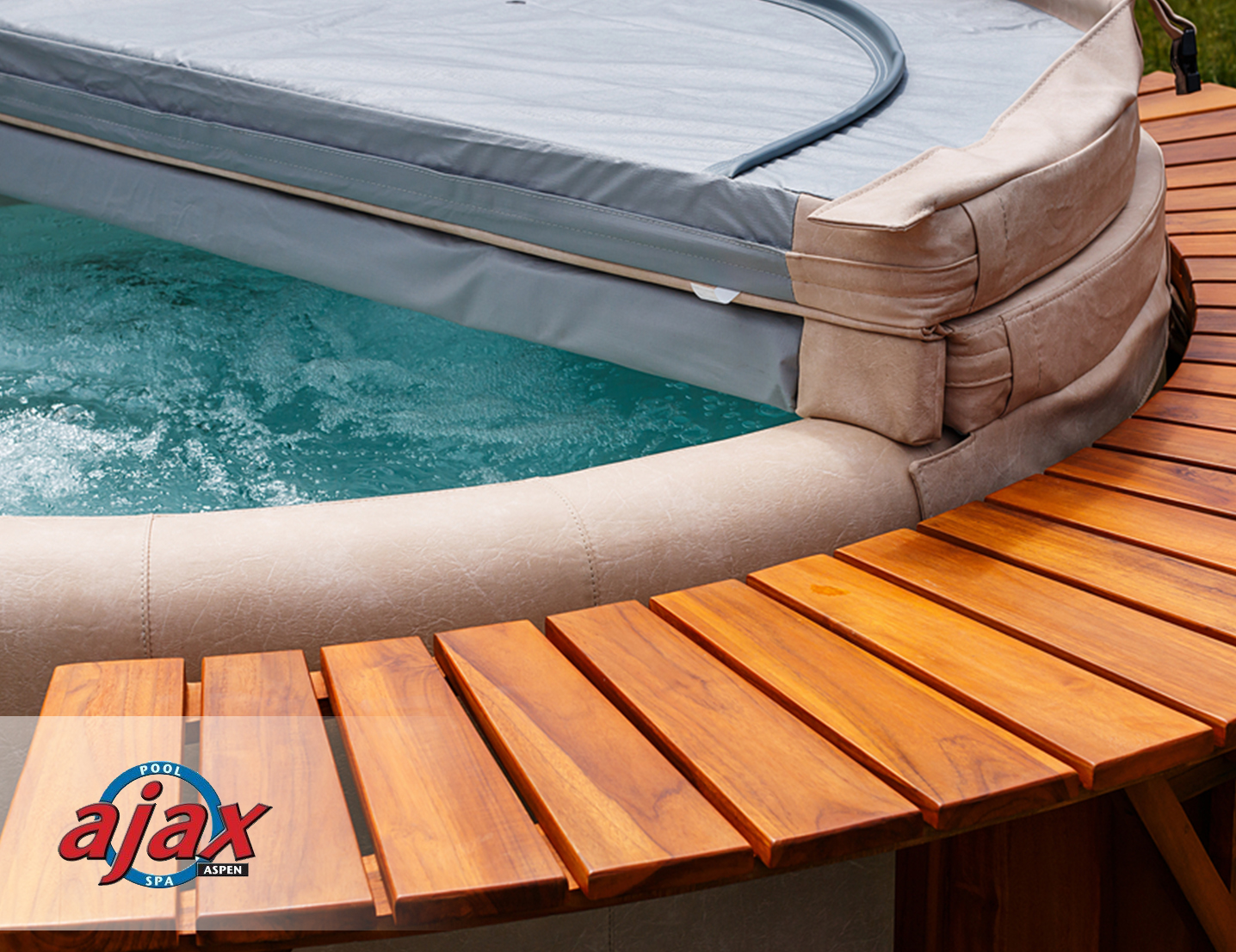
Hot tubs are a popular relaxation method that you can enjoy by yourself or with a group of your friends. While hot tubs intend to ease worries and anxieties, murky water can cause concern to spa users and spoil the entire experience. Luckily, there are easy ways to maintain your hot tub, and if done regularly, you can keep it running smoothly and prolong its life. All you require is the right equipment and dedication to making your hot tub maintenance effortless.
Buy and Use the Correct Cover
After buying a hot tub, purchase a cover that protects it effectively, depending on your area’s climate. For instance, if you stay in an area that experiences snow and cold temperatures, it’s essential to ensure you purchase a cover that has a peaked top to allow snow and rain to overflow. Doing this protects the covering from any damage throughout the year, enabling it to last longer.
Clean your hot tub regularly to keep it in good working condition since it plays a considerable part in keeping your spa safe. Use a gentle purpose cleaner and a soft sponge to clean the hot tub cover. Choose a warm or sunny day when you plan to wash your hot tub cover to get maximum sun to dry well.
Most available hot tubs constitute primarily weather-resistant vinyl, but you must ensure the vinyl stays clean to lengthen the life of your spa cover. Condition your wrapper to prolong its life since doing that protects against UV rays that break the chemical bonds and trigger the surface to harden and crack. Conditioning also protects your cover against mildew that can damage it if it grows on damp vinyl.
Clean Your Spa Filters
A clean and functioning hot tub filter cartridge is vital for managing normal levels of chemicals in spa water. According to Hal Denbar, the National Pool Partners co-founder, cleaning your spa’s filter solves one-third of the equation to a perfect hot tub.
When you don’t clean your filter, it becomes oversaturated and won’t hold contaminants as they pass through. The contamination results in murky water full of debris.
To prolong the life of individual hot tub components and limit bacterial growth, clean and replace your filters regularly. Maintaining a regular cleaning schedule ensures your filter cleans the hot tub efficiently. To unclog and clean your spa filter:
Remove the cartridge.
Run water over each interlace in the cartridge and wash every dirt out of the filter.
Ensure the case air dries totally before returning it to your filter.
A good quality filter will last between one to two years, depending on how often you use your hot tub. Ensure you inspect your filter regularly for any damage and replace it once it shows signs of tear. You’ll know it’s time to replace the filter if it no longer appears clean during your regular hot tub maintenance routine.
Balancing Your Water Chemistry
It’s essential to test the pH and alkaline levels to maintain the balance of your hot tub water. If one is out of balance, water will cause harm to your spa’s filters, plumbing, and even your tub surfaces if left for a long time.
Low alkaline levels imply the water is very acidic, which, if not treated, can cause corrosion on the hot tub’s surface. If the alkalinity of your water is high, it may be a sign of excessive chemicals in the water, sweat, oils like body lotions, makeup, or bacteria. It could also be due to hard water.
You should test the hot tub water two to four times weekly and adjust levels to stabilize the water within the proper scope. The compounds and their ideal ranges include:
Chlorine: 1.0 to 3.0 ppm
Bromine: 2.0 to 4.0 ppm
pH: 7.2 to 7.8
Total alkalinity: 80 to 120 ppm
Calcium Hardness: 175 to 275 ppm
Total Dissolved Solids: 1500 t0 2000 ppm
For more accurate results, you can bring a water sample to Ajax Pool & Spa Aspen for a free and extensive water test and a customized treatment scheme for your hot tub. Use the results as a manual to treat and balance your spa water and make notes on the adjustments. In most cases, you’ll eventually start noticing a pattern in the water chemistry, more so with pH and sanitizer levels.
Change Your Water Regularly
Changing your water is an essential part of hot tub maintenance. Your frequency of doing this depends on your spa type and how much you use it.
If it’s a typical family spa, you’ll need to drain and refill the water in your hot tub after roughly every three to four months.
You can rely on the total dissolved solids (TDS) test stripes to decide when to change your hot tub water. You can get the strips in our store.
Add a flush product to your spa water before draining it to help keep the equipment in your hot tub clean.
To interchange the water in your hot tub:
Drain it thoroughly and clean it before refilling.
Get a submersible pump, and you’ll save time.
Once you’ve drained the water, scrub it clean and disinfect all surfaces since the hot tub can contain dead skin and other contaminants.
You can pull out floating debris using a skimmer net and scoop up leaves under the water.
Use the Right Products to Treat Your Water
The products you use to treat your hot tub depend on your chosen water system. The basic sanitizers for your spa will be chlorine, bromine, minerals, or a saltwater system. Most outdoor spa owners use chlorine to sanitize their water because it’s cost-effective, easy to use, and a potent bacteria killer.
Chlorine kills contaminants by corroding, and in this chemical reaction, it produces waste products known as chloramines which cause a smell. If you hear the smell of chlorine, it is a sign that it’s over from your water, and you should add more. Always remember the ideal range for chlorine is 1-3 ppm.
Bromine lasts longer than chlorine and has a lower pH, making it easy to keep the water balanced. It’s gentler on the skin, hence a preference for many hot tub owners. However, it works slowly and is unstabilized; thus, it’ll burn off quickly under the sun. Bromine’s acceptable range is 3-5 ppm.
At Your Service
Do you need spa maintenance or repair services? Whether you’re a hot tub guru, everyone often requires a little help. Your schedule could also not allow you to follow the above steps whenever you want to clean your spa.
With the help of our professional service technicians at Ajax Pool & Spa, we’ll help you with a solution that works perfectly for your hot tub to perform excellently. Additionally, if you want to install a new spa in your backyard, our team can help. Contact us today at 970-279-5253 or text at 239-225-8626 to request a quote. We offer free deliveries of chemicals or supplies for orders over $100.
Your hot tub is a significant investment that you can enjoy for many years. It’s an incredible addition to your home. It’s fun and relaxing and comes with many health benefits. You should do regular hot tub maintenance practices to keep it running smoothly and extend its lifetime.
If you’re wondering, “what maintenance does a hot tub need?” A hot tub is less work than you may think. A hot tub must be drained and cleaned at least every three months. The only thing needed is the right tools and a firm schedule to make it easier to maintain your hot tub.
Do you have a hot tub? Is the new terminology, science, and proper hot tub maintenance concepts overwhelming you? Keep reading to learn more about the maintenance practices a hot tub needs.
Why Your Hot Tub Needs Regular Maintenance
If you maintain your hot tub well, not only are you protecting yourself from harmful bacteria and germs, but you’re also extending its lifetime. Furthermore, it reduces future repairs to your hot tub as it ages.
When bacteria build up in your tub or pollutants enter your water, it appears cloudy or foamy. However, developing an easy-to-follow routine for hot tub maintenance keeps the water clean and clear and makes the system operate perfectly.
The Basics of Hot Tub Maintenance (The Three Cs)
Your hot tub maintenance needs three concepts to ensure that its environment is sanitary and healthy. Also known as the Three Cs, they include circulation, cleaning, and chemistry.
Circulation
Your hot tub is prone to dirt, lotions, body oils, and other forms of debris. Good circulation can filter and remove these elements while keeping your water clean.
Your hot tub needs good water circulation to keep it clear of pollutants. Therefore, you should continually run the water through its cartridge filters to ensure your hot tub lasts long.
Circulation can either be automatic or manual. But that depends on the model of your hot tub.
Cleaning
A consistent and routine cleaning schedule is vital to hot tub maintenance. Whether indoors or outdoors, your hot tub can collect scum and dirt, including leaves, insects, and debris.
It would be best to regularly clean out build-up on the cover and shell of your hot tub with a sponge and vinegar. Also, wipe down dirt cropping up at the waterline to keep the shell of your hot tub pristine.
Chemistry
Your hot tub needs well-balanced water chemistry. Even though there are several chemicals that you can use to keep the water in good condition, you should be aware of the following:
The pH of the water: Hot tub water should not be too acidic to avoid corrosion in the tub. Also, it shouldn’t be simple since it can lead to undesirable scaling. The pH level of your water should range between 7.2 – 7.5.
Its alkalinity: Excessive alkalinity in your hot tub water can be due to bacteria, many chemicals, body oils, et cetera, which affect the pH. Alkalinity should range from 80 – 120 ppm.
Sanitizer: We all know that still water is prone to contamination. However, sanitizers such as chlorine can keep your water fresh and clean by preventing algae and bacterial build-up.
What are the Routine Hot Tub Maintenance Practices?
Maintaining your hot tub involves different aspects. These are routine hot tub maintenance practices that can enable you to unwind and relax in hot water after a long day:
The Right Cover
To reduce unnecessary damage and make your hot tub last longer, you need a cover to protect it from weather elements. The most appropriate cover for your hot tub depends on your region’s climate. For instance, if you live in areas that experience snowy and cold temperatures, the cover should have a peak top. It’ll allow the snow and rain to drain off quickly.
Also, you should regularly clean your hot tub cover by rinsing it off and washing it gently with a cleanser.
Ensure the cover is always on when you’re not using your hot tub. It reduces your system’s task of reheating and cleaning water from pollutants and saves energy.
Clean Your Hot Tub’s Filters and Jets
The filters on your hot tub perform an essential task. They ensure that dirt, bacteria, and other contaminants don’t enter your water.
You should rinse the filter every 1 – 2 weeks and soak it in a filter cleaner after every few months to clear off the grime that might be scaling on the hot tub.
Your hot tub filter can last up to two years, depending on the quality and how frequently you use your hot tub. Therefore, you should regularly inspect your filter to check for damage. When it shows signs of wear, you need to do a replacement immediately.
You must also check and clean your hot tub jets to prevent them from blocking and clogging.
Change The Water in Your Hot Tub Regularly
Another important aspect of hot tub maintenance is changing the water. How often you change your water depends on your system type.
For instance, if you have a saltwater system, you must change the water at least once a year. On the other hand, you should change the water in a chlorine system every 3 – 4 months.
Deep Clean the Shell of Your Hot Tub
You should drain the water out of the shell of your hot tub before cleaning. Use a soft cloth to gently clean its surface to avoid damaging the shell’s protective coat.
Let the shell dry up before refilling it with water. After refilling, you should use the pH and alkalinity balancers to bring it into perfect range.
Also, remember to clean the plumbing materials to prevent bacterial build-up in the pipes. A clean system can keep your hot tub running smoothly for a long time.
Make the Best of Your Hot Tub with Ajax Pool & Spa
A hot tub provides a great, relaxing environment and outstanding health benefits. Therefore, it’s essential to keep it in its best condition. You must adhere to an excellent hot tub maintenance schedule if you want it to last long.
Do you need hot tub maintenance or repair services? For most people, hot tub maintenance can be time-consuming. Well, Ajax Pool & Spa is here to help. We offer many services, including installation, hot tub maintenance, and repair. Contact us at 970-279-5253 or text at 239-225-8626 today to request a quote. We’ll find the perfect solution for your hot tub.
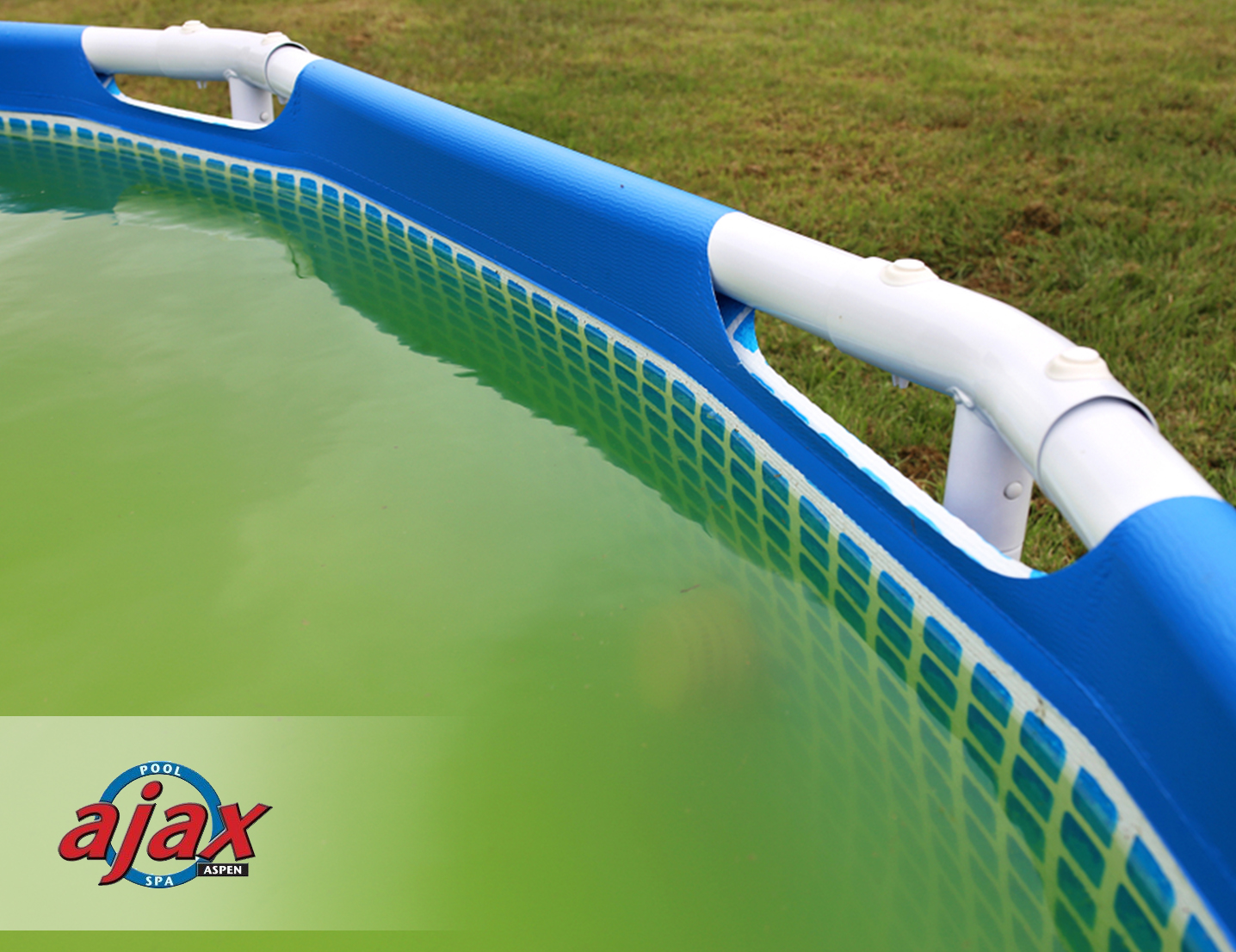
Is your swimming pool looking green and nasty? Swimming in a murky green pool isn’t fun, let alone looking at it. Worse, dirty water can cause swimming-related illnesses. Fortunately, you don’t have to drain all the water and start over again. Basic chemistry and filtration techniques can help you get your pool back in shape.
What Makes the Swimming Pool Turn Green?
Pool algae turn the pool green. Low chlorine levels in the pool create a conducive environment for algae to blossom. The pool turns light green when the algae begin to take hold and deep green when they bloom and take root. Besides chlorine, other chemicals are responsible for maintaining the optimum conditions of the water. An imbalance of such chemicals also leads to algae growth in the pool.
Adding chemicals and ensuring they are well-balanced can sometimes be frustrating and cost-intensive. The good news is you can get professional services from Ajax pool and Spa.
In this post, you will learn how to keep your pool clean, safe, and balanced all the time and save hundreds of money. The aim is to ascertain you spend a lot of time swimming, not cleaning or worrying about the algae condition of your pool!
Check the Condition of the Water in the Pool
Before clearing the algae from your pool, determine whether your water chemistry can be fixed. In severe cases where the pool is too green and almost turning black, the best measure is to:
Drain all the water
Acid wash the pool
Refill the pool
Generally, if you can look and see six to eight inches below the surface of the water, that water is redeemable; it can be treated chemically.
Brush the Pool Floor and Walls
Use a wide, heavy-duty pool brush to clean and scrub pool walls, floors, steps, and other surfaces where algae cling. To clean hard-to-reach surfaces, use heavy-duty 360-degree round brushes that reach every nook. Note that algae are stubborn and tough to remove. Use algae brush to make your work easier. In the end, ensure all the algae is gathered and suspended in the pool to make it easier for chlorine to kill and eliminate them.
Test Water Acidity and Alkaline Levels
With the help of a liquid test kit or a test strip, test the alkalinity and pH level of the pool. The standard pH level is between 7.4 to 7.6. If the pH is higher, use a gallon of muriatic acid. The acid will make the water a little acidic. The alkalinity level, on the other hand, should range between 100 to 150 parts per million (ppm).
If the alkalinity and pH level is too high, adjust them downwards to optimum levels. Test the water again after the adjustment to ensure you’re within the perfect range.
Shock Your Pool with Chlorine or a Suitable Sanitizer
Once you obtain an optimum pH and alkaline balance, shock the pool to kill algae. Shocking means using high levels of chlorine to clear pool algae. Eliminating algae and pool sanitation is the key activity in pool shocking. Calcium hypochlorite(granular chlorine) has a high chlorine concentration and will kill the algae pool very quickly. It’s economical to buy a 25-pound container because you can utilize the remainder for the future. Calcium hypochlorite is also advantageous since it dissolves quickly, kills bacteria, and controls contamination in the pool. Use a shock containing 70 to 80% chlorine for best results.
Run the Pool Filter/Pump
After you shock your pool, run your filter for eight to 24 hours to ensure the water is completely clear. The choice of a filter matters a lot. You can use; sand filters, cartridge filters, or diatomaceous earth (DE) filters. You can then use a pool clarifier to clear the algae more quickly or rerun the filter for a whole day to remove all the dead algae and ensure the shock has dispersed throughout. However, if the pull is still green, shock it again and repeat the filtration process.
Re-Test the Water Again and Adjust the Pool Chemicals
When your pool is cloudy blue, or clear, try re-testing the water again. The testing ensures the optimum pH, alkalinity, chlorine levels, and calcium hardness. When you have added all the required chemicals, test the pool again to ensure you have the right balance.
How to Keep Algae Off Your Pool
Now that you have a clear pool again, you must ensure it remains like that. The only sure way to do so is to maintain proper sanitizer levels. Test your pool frequently, once a week, or daily depending on how often you use it. Other tips to keep algae at bay include:
Use a water clarification solution.
Have a reliable chlorinating system; chlorine should always be in the water. Using a tablet of chlorine once a week has proven effective.
Clean your filters appropriately before using them.
How Often Should You Clean Your Pool Filters?
Backwash sand filters once every two weeks.
Clean cartridge filters after every three to four weeks
Backwash diatomaceous earth (DE) once a month.
How about Pool Phosphates?
Phosphates are food for algae. Therefore, some pool owners argue that you should remove them to control algae growth. However, removing phosphates from any environment is like clearing dust particles from the air. It’s impossible to clear phosphates from the pool. Forget about eliminating pool phosphates and concentrate on sanitation, regular maintenance checks, and testing.
Consult Pool Cleaning Experts
Maintaining your swimming pool creates more time to enjoy swimming and reduces anxiety. At Ajax Pool and Spa, we offer you maintenance and chemical services as often as needed. Text us today at 239 225 8626, call us at 970 279 5253, or reach us online. We will gladly solve your pool issues and ensure you enjoy swimming in crystal clear and safe water.
Hot tubs are an excellent way to unwind and relax after a long day, but they can also be a recipe for frustration when something goes wrong. The top three most common hot tub problems are leaks, equipment failure, and water chemistry issues. These issues can range from minor to major, with the average repair cost ranging from $150 to $500.
However, many can be resolved quickly with proper maintenance, the correct above-ground pool parts, and quick action.
Understanding and being aware of the most common hot tub problems can help you identify and address them before they become more significant issues and ensure that your hot tub stays in good working condition for years to come.
To help you troubleshoot and fix common hot tub issues, we’ve compiled a list of the five most common problems and what pool repair services you may need to address them.
1. Water Leaks
Water leaks are one of the most common hot tub problems. Various issues, including worn or damaged seals, cracks in the hot tub structure, or leaks in the plumbing, often cause them. One of the primary causes of water leaks in hot tubs is worn or damaged seals around the jets, pump, and other fixtures. These seals can wear out over time due to exposure to heat and chemicals and can lead to leaks.
Cracks in the structure of the hot tub can also cause leaks. Various factors, including impact damage, exposure to extreme temperatures, or improper installation, can cause these cracks.
Steps to Take:
Below are common ways you can repair water leaks depending on the cause of the leak.
You can replace the seal if the leak comes from a worn or damaged seal around the jets, pump, or other fixtures. This relatively straightforward process typically involves removing the old seal and installing a new one.
If the leak is coming from a crack in the structure of the hot tub, the crack can be repaired using a patching compound. You can apply the compound to the crack to seal it and prevent further leaks.
If the leak comes from hot tub pumps not working or other plumbing issues, the pump or plumbing can be repaired or replaced as necessary. This may involve replacing damaged pipes or connections or repairing or replacing the pump.
2. Low Water Flow
A low water flow problem in hot tubs can be caused by various factors, including clogged filters, worn or worn or damaged pump impellers, or low water pressure.
Clogged filters can cause a low water flow problem by impeding water flow through the hot tub.
Worn or damaged pump impellers can also cause a low water flow problem. The impeller is a rotor inside the pump that spins to move water through the hot tub. If the impeller is worn or damaged, it may not force water through the hot tub effectively, resulting in low water flow.
Low water pressure can also cause a common water flow problem. This can happen because of various factors, including clogs in the water supply line, problems with the water supply valve, or issues with the hot tub’s pump or plumbing.
Steps to Take:
There are several ways to repair low water flow in hot tubs, depending on the cause of the problem.
If clogged filters cause a problem, the filters can be cleaned or replaced. They may need to be replaced if they are too clogged or worn out. Cleaning the filters can be done by removing them from the hot tub and rinsing them with a hose or a filter cleaning solution.
If a worn or damaged pump impeller causes the problem, the impeller can be replaced by a professional technician. This relatively straightforward process involves removing the old impeller and installing a new one.
If the problem is caused by low water pressure, the cause of the low water pressure must be located and addressed. This may involve clearing clogs in the water supply line, repairing or replacing the water supply valve, or addressing issues with the hot tub’s pump or plumbing.
3. Heater Problems
Heater problems in hot tubs can be caused by various factors, including malfunctioning thermostats, faulty heating elements, or issues with the hot tub’s circulation system.
A malfunctioning thermostat can cause the hot tub not to heat up properly or to overheat. This can be caused by various issues, such as a malfunctioning thermostat sensor, a faulty thermostat control, or a problem with the hot tub’s control system. A professional technician can diagnose and repair a malfunctioning thermostat.
Faulty heating elements can also cause heater problems in hot tubs. A heating element is the hot tub section that generates heat to warm the water. If the heating element is not functioning correctly, it may not heat water in the hot tub effectively. A professional technician can diagnose and repair or replace a faulty heating element.
Issues with the hot tub’s circulation system can also cause heater problems. This can be caused by clogs in the circulation system, malfunctioning pumps or valves, or problems with the hot tub’s plumbing. The circulation system is responsible for moving water through the hot tub; if it is not functioning correctly, it may not heat water effectively.
Steps to Take:
If your hot tub is experiencing heater problems, the following steps can help you try to diagnose and fix the issue:
Check the thermostat: Ensure that the thermostat is set to the desired temperature and that the display works properly. If the thermostat appears to malfunction, it may need to be replaced.
Check the water level: Ensure the water level in the hot tub is correct. If the water levels get too low, it can cause the heater to shut off or not function properly.
Check the filter: Make sure that the filter is clean and not clogged. A clogged filter restricts the flow of water and causes the heater to shut off or not function properly.
Check the circulation system: Ensure that the pumps and valves in the hot tub’s circulation system are working correctly. A malfunctioning pump or valve can cause the heater to shut off or malfunction.
Check the power supply: Ensure that the hot tub is getting power and that the breaker has not tripped.
4. Faulty Jets
Faulty jets in hot tubs can be caused by various factors, including clogs, damage, or wear and tear.
Clogs in the jets can occur due to the accumulation of dirt, debris, or other foreign materials. Clogs can restrict the flow of water and air through the jets, making them less effective.
Damage to the jets can occur due to impact, wear and tear, or chemical exposure. Damaged jets can be caused by physical effects, such as someone accidentally hitting the jet while getting into the hot tub or the jet being damaged during the cleaning process. These damaged jets can be repaired or replaced depending on the extent of the damage.
Wear and tear are a common cause of faulty jets, as the parts inside the jets may wear out over time from regular use. These worn-out parts can affect the jets’ performance, making them less effective. In this case, you should replace the jets.
Steps to Take:
If your hot tub is experiencing hot tub jets not working, there are several steps you can take to try to diagnose and fix the issue:
Check for clogs: Inspect the jets and ensure they are not clogged with dirt, debris, or other foreign materials. If you find any clogs, use a jet-cleaning solution or a stiff brush to remove them.
Check for damage: Inspect the jets for any signs of wear, such as cracks or broken parts. If you find any damage, the jet may need to be repaired or replaced.
Check the water flow: Ensure that the water flow to the jets is not restricted. Inspect the water supply lines and ensure they are not clogged or kinked.
Check the airflow: Ensure that the jets’ airflow is not restricted. Inspect the air supply lines and ensure they are not clogged or kinked.
Check the control system: Ensure that the system that operates the jets is functioning correctly. A professional technician can check the control system.
5. Smelly Water
Various factors, including bacteria growth, chemical imbalances, or organic matter build-up, can cause smelly water in hot tubs. Bacterial growth can occur in hot tubs due to a lack of proper sanitation and cleaning. If not adequately maintained, bacteria can thrive in warm, humid environments, such as hot tubs. The bacteria can produce offensive odors and may also be harmful to your health.
Chemical imbalances in the water can also cause offensive odors. For example, if the pH level of the water is too low or too high, it can cause a strong chemical smell. Organic matter such as sweat, lotions, and oils can accumulate in the water and create a breeding ground for bacteria that will produce offensive odors. Organic matter build-up can also cause foul odors in hot tubs.
Steps to Take:
If your hot tub is experiencing smelly water, the steps below can help you to diagnose and fix the issue:
Check the sanitation: Ensure the hot tub is properly sanitized and cleaned. Use a suitable sanitizer and shock the hot tub regularly as per the manufacturer’s instructions.
Check the pH level: Test the pH level of the water and ensure it is within the recommended range. If the pH level gets too high or too low, adjust it as necessary.
Check for organic matter: Inspect the hot tub for any visible signs of organic matter, such as oils, lotions, or debris. Remove any visible organic matter and clean the hot tub.
Check the filters: Make sure that the filters are clean and not clogged. A clogged filter can trap organic matter and bacteria, leading to offensive odors.
Drain and refill the water: If the problem persists, consider draining and refilling the water. Make sure to thoroughly clean the hot tub before filling it.
Source From Ajax Pool & Spa Inc.
Are you need a new hot tub, or are you looking to upgrade your current one? Look no further! Ajax Pool & Spa Inc. offers a wide variety of top-quality Jacuzzis and hot tubs to fit any budget and lifestyle. From traditional in-ground hot tubs to portable and inflatable options, we have something for everyone. Our team of experienced professionals provides top-notch customer service and can assist you in finding the perfect hot tub to meet your needs. We also offer a wide range of services, including installation, spa maintenance, and repair. For more information about our offering, contact us today at 970-279-5253 or leave us a message online, and our agents will reach out to you ASAP. Take the first step towards a relaxing and rejuvenating hot tub experience.
A hot tub allows you to unwind after a long day’s work, soothes your body and mind, and offers excellent health benefits. In addition, the hot water and jets improve joint flexibility, relieve pains and aches, ease stress, reduce anxiety and help you sleep better. Having a hot tub installed provides an excellent investment for your home. This is because more than one person can use them for several years.
If you decide to invest in a hot tub in your home, you need time to plan the details. Hot tub installations should be done in an accessible location around your home and in an appropriate way, particularly if electrical and building codes need to be met.
Additionally, installing a hot tub can quickly go south if you do not understand the required procedures. Therefore, bringing in a custom hot tub and spa installation services provider on board who actually knows how to install a hot tub ensures a smooth installation process.
Below is a simple guide on installing a hot tub and ensuring the process goes smoothly from the first to the last step, courtesy of Ajax Pool & Spa, Inc.
Do Your Homework
The first step in setting up a hot tub in your home is picking the best model fit for you and your family. Take some time and measure a few designs you have in mind, find the perfect space you must play with, and ensure you make the most out of the chosen area.
Once you have the correct measurements and size for your hot tub, look for the best buys and the perfect model. Ensure to pay attention to the following:
Finding an approved hot tub installer and supplier that provides full delivery and installation services
Hot tub installation cost. Ensure you are not overpaying for whistles and bells you do not need.
Have a shortlist of items to check on your home spa during wet testing.
Choose the Perfect Location
Selecting an ideal location is the best method to get the most out of the eyed hot tub. The best site will tick all the boxes. You need to study your home yard and envision the ideal space for your hot tub. Consider traffic flow, neighbors, or anything that might interfere with new sanctuary investment.
Do you want your spa to be at the focal point, or do you prefer a quiet home yard corner? Are you thinking of one that catches the afternoon sun or that with a shady spot? Keep in mind all the crucial considerations and avoid a location too far from the entry point of the yard.
Think about moving the tub from the delivery truck to the selected location with minimal workforce and tools. Other practical sites essential to consider include:
A flat, firm, and level ground surface
Easy access from the house
The space should be at least 10 feet from any overhead power lines
Proximity to a water source and GCFI (Ground Fault Circuit Interrupter) dedicated electrical circuit.
A space that doesn’t collect falling tree leaves or excess rainwater.
A Solid Foundation
The surface where your tub sits needs to be solid enough to support its weight full of water and people. Gravel, concrete, paving stones, or prefabricated pads offer a strong foundation.
Additionally, the weight of a standard hot tub is known once you establish the weight of your tub and divide it by the square footage measurements, which determines the framing requirements for the load. Generally, the design load requirement is about 105-115 pounds per square foot.
For a substantial and long-term foundation, use concrete slabs. It would be best if you reinforced your concrete to a minimum thickness of four inches. Wait to install your hot tub until the concrete is fully cured.
If you plan to install your tub on a raised deck, the coding requirements dictate that you consult a professional for a structurally engineered design.
Upgrade Your Electrical System
Your hot tub needs to be fitted with a permanent electrical supply. Significantly, you must ensure that the electrical system is safely hooked up and meets the unit’s power standards.
Unless you have experience in electrical codes, hire an electrician to help you power your tub. You will also need to install a GFCI circuit breaker with voltage and amperage requirements depending on the specifications of your hot tub. A licensed electrician always does GCFI installation.
Positioning Your Hot Tub
Before you put your hot tub into position, ensure you are happy with all initial preparation requirements. Remember that once the tub gets installed, it will be impossible to move it again without draining it.
Orient your tub appropriately and ensure the entry ladder is conveniently placed away from obstacles. In addition, position your hot tub so that the user has quick access to control panels and allows enough clearance to remove the cover easily and quickly.
Add precautions such as alarms and locking covers if you have kids according to hot tub safety guidelines.
Assemble the Hot Tub
The assembling instructions for all hot tubs are in the user manual included in purchases of hot tubs. Be sure to read the manual entirely before you start the step-by-step assembling procedure. This prevents any unforeseen damage. Depending on the system’s complexity, you might need to hire an electrician to help you connect your hub to the power source and other assembling procedures.
Fill It Up!
Once your hot tub is set up and wired correctly per the manufacturer’s instructions, it is ready for use. Start by turning off the power supply at the circuit breaker, ensuring the filters are well placed and the drain valve is closed.
Before you start filling, clean the tub by wiping the interior with a mild and non-foaming cleaner. Then, use a hose pipe to fill your tub with cold and clean water up to the fill line.
Significantly inspect the tub for leaks, paying attention to the fitting behind the equipment door. If necessary, tighten the fittings.
Once everything works fine, restore the power supply, add water treatment chemicals, and set controls. You can now settle in and enjoy it after the water is hot.
Get a Luxurious Hot Tub and Installation Services
Hot tubs benefit you beyond the feel-good experience. It can help heal some conditions while keeping you refreshed mentally and physically. We’re your ultimate solution if you want to install it in your home or you’ve got a new project. At Ajax Pool and Spa, Inc., we are the best bathtub dealers, offering exceptional pool and spa maintenance services to ensure maximum relaxation. Contact us to learn more about our bathtubs and Jacuzzis.