Pool pumps play a vital role in ensuring the efficient circulation and filtration of water in your pool. However, these pumps can experience wear and tear over time, leading to decreased performance and increased energy consumption. In this blog, we will explore the importance of variable-speed pump repair, discuss common issues encountered, and provide tips on how to save energy and money by maintaining and repairing your variable-speed pump. If you’re in the Aspen area and in need of high-quality pool and hot tub products, turn to our team at Ajax Pool & Spa Aspen today.
The Importance of Pool Pump Repair
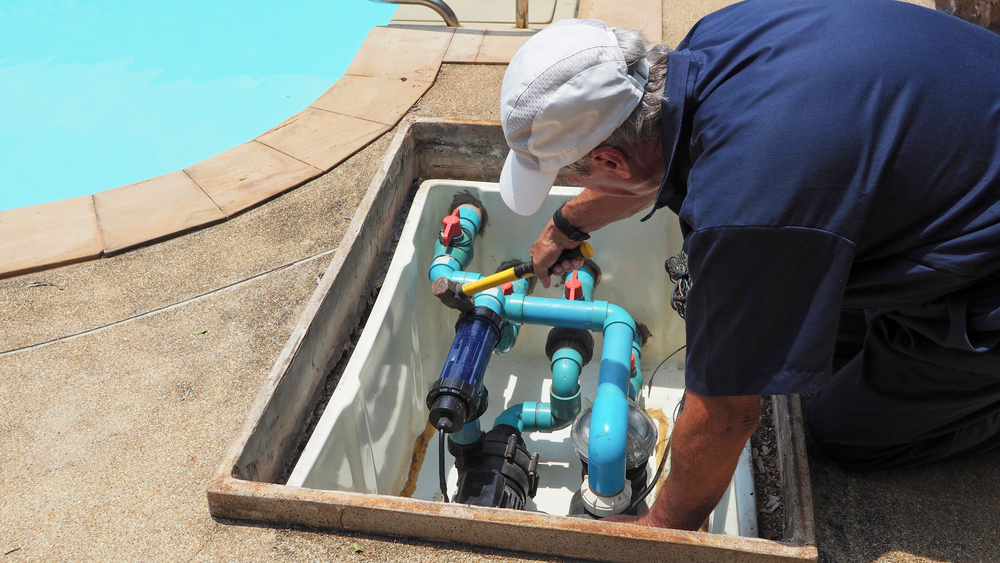
A malfunctioning pool pump affects the clarity and cleanliness of your pool water and leads to excessive energy consumption. Pool pumps are responsible for circulating water through the filtration system, which helps to remove debris, dirt, and contaminants. A faulty pump can lead to poor water circulation, resulting in stagnant water and reduced effectiveness of pool chemicals.
By addressing pool pump repair promptly, you can ensure that your pool water remains crystal clear, clean, and safe for swimming. Additionally, a well-maintained pump operates more efficiently, reducing energy consumption and ultimately saving you money on utility bills.
Common Issues and Troubleshooting
Noisy Operation: If your pool pump has started making unusual noises such as grinding or screeching, it could be a sign of worn-out bearings. Over time, the bearings can become damaged due to constant use and exposure to water. Regular lubrication can help prevent this issue, but if it has already occurred, you will need to replace the bearings.
Leaks: Leaks in the pool pump can lead to water wastage, corrosion, and decreased performance. Common areas where leaks occur include the pump housing, seals, and pipe fittings. Inspect these components regularly for any signs of leakage and address them immediately to prevent further damage.
Reduced Flow Rate: If you notice a decrease in water flow rate, it could indicate a clogged impeller or a blocked intake or discharge line. Clean the impeller and check for any blockages in the lines to restore proper flow.
Overheating: A pool pump that frequently overheats may be a result of an electrical issue or motor malfunction. Overheating can lead to significant damage if not addressed promptly. If you notice the pump continuously shutting off due to overheating, it is important to have it inspected and repaired by a professional.
High Energy Usage: If your energy bills have been higher than usual, your pool pump could be to blame. Inefficient operation caused by worn-out parts can significantly increase energy consumption. Regular maintenance, timely repairs, and the use of energy-efficient pool pumps can help lower your energy costs.
Save on Energy: Tips and Tricks
Opt for Energy-Efficient Pool Pumps: Always choose energy-efficient models when searching for a new pool pump or considering a replacement. Look for ENERGY STAR certified pumps that meet the latest industry standards. These pumps are specifically designed to use less energy while maintaining optimal performance.
Schedule Regular Maintenance: Just like any other appliance, regular maintenance is crucial for the longevity and efficiency of your pool pump. Inspect and clean the pump basket regularly, remove any debris, and lubricate moving parts as recommended by the manufacturer. Additionally, consider hiring a professional for an annual pool pump check-up to ensure everything is in working order.
Monitor Pump Run Times: Setting the pump to run for shorter periods can help save energy without compromising water quality. Adjust the pump run times accordingly depending on factors such as pool size, water temperature, and usage. A programmable timer can be a valuable tool in optimizing energy usage.
Optimize Filtration System: A well-maintained filtration system can reduce the workload on your pool pump. Regularly backwash or clean the filter to ensure maximum filtration efficiency. Additionally, consider upgrading to a more efficient filter, such as a cartridge or sand filter, which can improve water clarity and reduce energy consumption.
Consider Variable-Speed Pumps: Variable-speed pool pumps are known for their energy-saving capabilities. These pumps allow you to adjust the speed according to your pool’s needs, significantly reducing energy consumption. Although variable-speed pumps have a higher upfront cost, the energy savings over time make them a worthwhile investment.
Choose Ajax Pool & Spa Aspen for Your Pool Needs
Aspen’s premier pool and hot tub provider, Ajax Pool & Spa Aspen, offers a wide range of high-quality products and services to meet your pool needs. Whether you require a pool pump repair, advice on energy-efficient pool equipment, or a complete pool installation, our team of experts is here to assist you.
Save on energy and ensure the long-term performance of your variable-speed pump by entrusting your pool needs to Ajax Pool & Spa Aspen. Explore our offerings and contact us today for all your pool and hot tub requirements in the Aspen area. Let us help you create the perfect oasis in your backyard while saving on energy costs.
Creating a tranquil and relaxing oasis in your own backyard is a dream for many homeowners. Installing a spa or hot tub is a fantastic way to achieve this goal, allowing you to escape the pressures of everyday life and enjoy a soothing soak whenever you desire. However, to truly elevate your spa experience, investing in high-quality spa accessories that provide ultimate comfort is essential. This blog post will explore some must-have spa accessories that can enhance your relaxation and turn your backyard into a luxurious retreat.
Spa Pillows: Cradling Comfort
A quality spa pillow is one of the most vital spa accessories for ultimate comfort. These pillows are designed to provide support and cushioning for your head and neck while you unwind in the spa. They are often made of soft and water-resistant materials suitable for outdoor use. Some spa pillows also feature adjustable straps to ensure a secure and customized fit. With a spa pillow, you can fully recline and let the stresses of the day melt away as you indulge in a blissful soak.
Spa Steps: Easy Access with Style
When it comes to spa accessories, usability should never be overlooked. Spa steps are a practical addition to any spa, providing a safe and convenient way to enter and exit the hot tub. These steps are typically made of durable materials, such as plastic or wood, to withstand outdoor conditions. Additionally, they often feature slip-resistant surfaces to prevent accidents. Spa steps are available in a variety of designs and finishes, allowing you to choose a style that complements the overall aesthetics of your outdoor space.
Spa Cover Lifters: Convenience and Protection
Spa cover lifters are invaluable spa accessories that make removing and replacing your spa cover effortless. These mechanisms are designed to assist with the heavy lifting involved in removing the cover, saving you time and effort. Furthermore, using a cover lifter properly extends the lifespan of your spa cover by preventing unnecessary wear and tear. With a cover lifter, you no longer have to grapple with heavy covers or worry about damaging them.
Spa Towels: Luxurious Comfort
Indulging in a spa session is all about pampering yourself, and what better way to enhance the experience than with luxurious spa towels? High-quality spa towels are exceptionally soft, absorbent, and crafted from quick-drying materials. Opt for large-sized towels to ensure optimal coverage and comfort. The right spa towels help you dry off after a relaxing soak and add a touch of elegance and sophistication to your spa area.
Spa Robes: Wrap Yourself in Luxury
Complement your spa towels with plush and cozy spa robes. Nothing says ultimate comfort like wrapping yourself in a soft and fluffy robe after emerging from the warm waters of your spa. Spa robes offer the perfect way to prolong your relaxation, providing warmth and comfort as you transition from your outdoor retreat back to the indoors. Choose robes made from high-quality materials that feel luxurious against your skin and offer exceptional absorbency.
Spa Aromatherapy: Unwind with Fragrance
One of the most delightful ways to enhance your spa experience is through the power of fragrance. Spa aromatherapy products are designed to create a soothing ambiance and enhance relaxation. These products typically come in the form of essential oils, scented crystals, or diffusers that release gentle scents into the air. Whether you prefer the rejuvenating aroma of eucalyptus or the calming scent of lavender, incorporating spa aromatherapy into your routine can take your spa experience to new heights.
Spa Side Tables: Convenience at Your Fingertips
Investing in a spa side table is a practical way to keep your essentials within reach while you relax in the warm waters. These tables are designed to attach to the spa’s exterior and provide a stable platform for your drinks, snacks, and other personal items. Spa side tables are typically made of weather-resistant materials, making them perfect for outdoor use. With a spa-side table, you can enjoy your favorite refreshments and accessories without getting out of the spa.
Contact Us Today
Transforming your backyard into a serene and luxurious spa retreat is now within reach. By incorporating these ultimate comfort essentials into your spa area, you can create an oasis of relaxation and enjoy the full benefits of your hot tub experience. From spa pillows to side tables and everything in between, these accessories are designed to enhance your comfort and make your spa time truly unforgettable.
If you’re looking for high-quality pool and hot tub products for your property in the Aspen area, turn to our Ajax Pool & Spa Aspen team today. With an extensive selection of spa accessories and unparalleled customer service, we are committed to delivering the ultimate spa experience for our clients. Contact us to explore our range of products and services. Start your journey to ultimate comfort and relaxation with Ajax Pool & Spa Aspen today.
Hot tubs are an oasis of relaxation and rejuvenation, offering an escape from the stresses of everyday life. Whether you enjoy a soak in your hot tub on a chilly winter evening or a sunny summer day, there is nothing like sinking into warm, bubbly water. However, hot tubs can develop issues like any other mechanical system over time. When these problems arise, it leaves hot tub owners contemplating whether to tackle the repairs themselves or seek professional assistance. This blog post will explore the pros and cons of DIY hot tub repairs versus hiring a professional so you can make an informed decision that suits your needs.
Understanding the Complexity of Hot Tub Repair
Hot tubs are complex systems that consist of various components such as pumps, heaters, jets, filters, and control panels. Each of these parts requires specialized knowledge and skills for troubleshooting and repair. While a basic understanding of how these components work is essential, attempting to repair a hot tub without adequate expertise can lead to further damage or even personal injury.
Pros and Cons of DIY Hot Tub Repair
Doing your own hot tub repairs can sometimes save you money, especially for minor issues that don’t require professional intervention. With a little research and basic mechanical know-how, homeowners can resolve certain problems themselves. Additionally, DIY repairs may offer a sense of accomplishment and self-sufficiency.
On the flip side, there are downsides to DIY hot tub repairs. One of the biggest challenges is identifying the root cause of the problem accurately. Without the necessary diagnostic tools and experience, what may seem like a simple issue could have underlying factors that need professional attention. Additionally, attempting repairs without the proper tools or knowledge can lead to even more significant problems or void any warranties the hot tub may have.
When to Call in the Pros
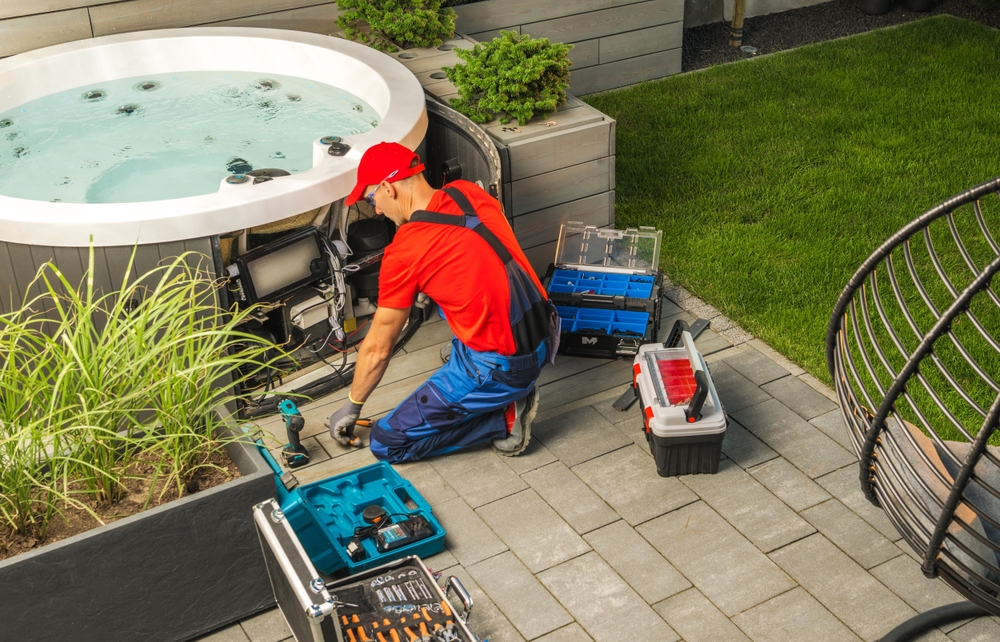
While DIY repairs can be a viable option for simple fixes, there are instances when it’s best to leave the task to the professionals. If the problem persists after attempting a DIY fix or if it involves extensive electrical work or plumbing, it’s time to call in the pros. Experienced hot tub repair technicians have the training, expertise, and tools to effectively diagnose and address complex issues. Not only can they save you time and money, but they can also ensure the safety and functionality of your hot tub.
Benefits of Hiring a Professional Hot Tub Repair Service
Expertise: Professional hot tub repair technicians specialize in diagnosing and fixing issues with hot tubs. They have an in-depth understanding of the parts and components, allowing them to identify problems accurately and efficiently. Their expertise ensures the repairs are done correctly the first time, reducing the chances of recurring issues.
Technical Knowledge: Hot tubs can be intricate machines with complex electrical and plumbing systems. Professionals have the necessary technical knowledge to handle these components safely and effectively. They know how to troubleshoot problems, make precise adjustments, and install replacement parts correctly.
Tools and Equipment: Repairing a hot tub often requires specialized tools and equipment that the average homeowner may not have readily available. Professional repair technicians come equipped with the right tools, ensuring the job gets done efficiently and effectively.
Warranty Considerations: Hot tubs often come with warranties that may be voided if repairs are attempted by unqualified individuals. By hiring a professional, you can ensure that your warranty remains valid, saving you potential headaches and costly repairs down the line.
Time and Convenience: Hot tub repairs can be time-consuming, especially for those unfamiliar with the intricacies of these machines. Hiring professionals can save you the hassle and inconvenience of spending hours troubleshooting, repairing, and maintaining your hot tub. The experts can get your hot tub back up and running quickly, allowing you to enjoy its benefits sooner.
Call Ajax Pool & Spa Aspen for Quality Hot Tub Repairs
If you need hot tub repair in the Aspen area, it’s essential to trust the professionals at Ajax Pool & Spa Aspen. Our years of experience, trained technicians, and commitment to customer satisfaction make us the go-to experts for all your hot tub repair needs. From diagnosing electrical issues to handling plumbing repairs, our team has the knowledge and expertise to get your hot tub back in working order.
Don’t let hot tub woes linger any longer than necessary. Contact Ajax Pool & Spa Aspen today and get a quote for prompt, professional hot tub repair services. Learn more about our high-quality pool and hot tub products and services. Trust the experts at Ajax Pool & Spa Aspen to ensure your hot tub is always in the best possible condition for an undisturbed oasis of relaxation and enjoyment.
Having a pool in your backyard is a dream come true for many homeowners. It provides a refreshing oasis during the hot summer months and offers endless opportunities for relaxation and entertainment. However, one common issue that can arise with pools is leaks. A leaky pool wastes water and can lead to significant damage if not addressed promptly. In this blog post, we will discuss pool leak detection and provide you with some DIY fixes to help you maintain your pool in optimal condition.
Understanding Pool Leak Detection
Before diving into potential fixes, it’s important to understand how to detect a pool leak. Several telltale signs may indicate you have a leak in your pool:
Significant drop in water level: If you notice that your pool’s water level consistently drops more than what can be attributed to evaporation, it’s likely that you have a leak.
Wet spots or pooled water: Keep an eye out for wet spots around the pool area, especially if they are not near any obvious water sources. Additionally, if you find pooled water on the pool deck or in the lawn surrounding the pool, it could be a sign of a leak.
Increased water bills: Leaky pools can cause a significant increase in water bills. If you notice a sudden spike in your water bill without any obvious cause, it’s worth investigating if your pool has a leak.
Cracks or damage to the pool structure: Inspect your pool for any visible cracks or damage that could potentially lead to leaks. Even minor cracks can worsen over time and cause water loss.
DIY Fixes for Pool Leaks
If you suspect that your pool has a leak, there are a few DIY fixes you can try before reaching out to a professional. However, it’s important to note that these fixes are temporary solutions and may not address the underlying cause of the leak. If the issue persists or worsens, it’s best to consult a pool leak detection specialist for a thorough assessment and repair.
Check the pool equipment: Begin by inspecting your pool equipment, including the pump, water filter, and heater. Look for any dripping or pooling water around these components. Tighten any loose connections or replace damaged seals, as these can often be the source of leaks.
Conduct a bucket test: One simple method to determine if your pool has a leak is by conducting a bucket test. Fill a bucket with water and place it on the first or second step of your pool. Mark the water level on the inside of the bucket and the outside of the pool. Wait 24 hours, and if the pool water level has dropped more than the bucket’s water level, it indicates a leak. The bucket’s water level should remain consistent with the pool water level.
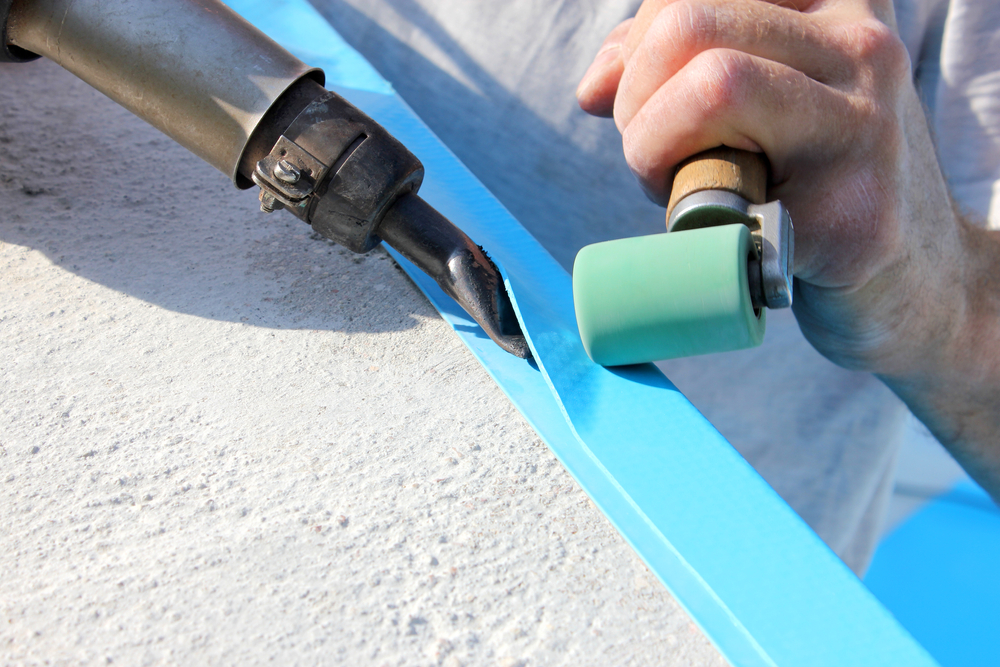
Inspect the pool shell: Carefully examine the pool shell for any visible cracks or damage. Hairline cracks are common, especially in older pools, and may not necessarily indicate a leak. However, if you notice larger cracks or gaps, they should be addressed promptly. Fill in any cracks or gaps using a pool-safe epoxy or sealant to prevent water from escaping.
Check the pool plumbing: Leakages in the plumbing system can also contribute to pool leaks. Inspect the pipes, valves, and fittings for any signs of damage or leakage. Tighten loose connections or replace damaged components as necessary. Additionally, check for pool lights or water features that may be leaking and address them accordingly.
Test the pool fittings: Fittings such as skimmers, returns, and drains can also be potential sources of leaks. Inspect each fitting for any cracks or damage. If you suspect a fitting is leaking, you can temporarily seal it with a pool-safe silicone adhesive until a professional can properly repair or replace it.
Monitor the water level: Once you’ve addressed any obvious issues, monitor the water level of your pool for a few days. If the water level remains consistent, it’s a good indication that your DIY fixes have successfully resolved the leak. However, if the water level continues to drop, it’s important to consult a pool leak detection specialist to identify and address the root cause of the leak.
If you have followed these steps and still experience persistent pool leaks, it’s time to contact a professional pool leak detection and repair service. They have specialized equipment and expertise to accurately detect and fix any leaks in your pool.
Turn to Ajax Pool & Spa Aspen for High-Quality Pool and Hot Tub Products
If you’re looking for high-quality pool and hot tub products for your property in the Aspen area, turn to our team at Ajax Pool & Spa Aspen today. We provide top-of-the-line products and services to transform your pool and spa into a luxurious oasis. We have you covered, from pool leak detection and repairs to the installation of premium pool equipment. Learn more about our offerings and get started on creating your perfect pool experience.
Maintaining a clean and safe swimming pool requires more than just regular cleaning and filtration. Using the right pool chemicals is essential to keep the water sanitized and balanced. With a plethora of options available in the market, choosing suitable chemicals for your pool can be overwhelming. In this blog, we will explore the different types of pool chemicals, discuss how to choose them wisely and provide guidelines on their effective usage.
Understanding Important Pool Chemicals
1. Chlorine
Chlorine is the most common and widely used pool chemical for disinfecting the water. It effectively kills bacteria, algae, and other harmful microorganisms. Both liquid and granular chlorine are available, providing different methods of application. Liquid chlorine is typically poured directly into the pool water, while granular chlorine is pre-dissolved before being added. When choosing chlorine, consider the size of your pool and the chlorine concentration required to maintain proper sanitation.
2. Bromine
Although less commonly used than chlorine, bromine is a suitable alternative for sanitizing pools, especially indoor or hot tub pools. It comes in tablet or granular form and is well-known for its long-lasting effect and stability at high temperatures. Bromine is particularly effective in killing bacteria and viruses, making it an excellent choice for spas and hot tubs.
3. pH Adjusters
Maintaining the correct pH level is vital for pool water balance. The pH scale ranges from acidic (below 7) to alkaline (above 7), with 7 being neutral. The ideal pH level for pool water is slightly above 7. If the pH level is too low, the water becomes acidic, which can cause skin and eye irritation. On the other hand, high pH levels lead to scale formation and make chlorine less effective. pH adjusters are chemicals used to raise (pH increaser) or lower (pH decreaser) the pH level as needed.
4. Algaecides
Algae growth is a common problem in swimming pools, especially during hot and humid weather. Algaecides are used to prevent and destroy algae, ensuring the pool remains clear and aesthetically pleasing. They come in various forms, including liquid, granular, or tablet. When selecting an algaecide, consider the type of algae present and follow the manufacturer’s instructions on application.
5. Calcium Hardness Adjusters
Calcium hardness refers to the amount of dissolved calcium in pool water. Proper calcium hardness is crucial to prevent corrosion or scale formation on pool surfaces and equipment. Calcium hardness adjusters are used to raise or lower the calcium levels as needed. Use a test kit to measure the calcium hardness before adjusting it, as different pools may require different levels depending on factors such as water source and pool material.
6. Stabilizers
Stabilizers, also known as cyanuric acid, are essential for protecting chlorine from degradation due to sunlight exposure. They help maintain the chlorine’s effectiveness, reducing the need for frequent dosage adjustments. However, excessive stabilizer levels can hinder chlorine’s sanitizing power, so it’s crucial to maintain the right balance. Regular testing of stabilizer levels is necessary to ensure optimal pool water conditions.
Choosing Pool Chemicals Wisely
1. Understand Your Pool’s Size and Usage
The first step in choosing the right pool chemicals is understanding your pool’s size, usage pattern, and purpose. The chemical requirements of a small residential pool may differ from those of a large commercial pool. Determine the average number of swimmers, whether it is an indoor or outdoor pool and the frequency of use. This information will guide you in selecting the appropriate chemicals and dosage requirements.
2. Consider Water Source and Quality
The water source used to fill your pool can significantly impact its chemical balance. Different regions have varying water compositions, with variations in minerals and impurities. If you have well water or use municipal water, it’s advisable to test its chemical composition before adding it to the pool. Testing will help determine whether additional chemicals, such as water clarifiers or sequestrants, are required.
3. Read Product Labels and Follow Instructions
When purchasing pool chemicals, carefully read the product labels and instructions provided by the manufacturer. The labels contain crucial information on proper usage, dosage requirements, safety precautions, and potential hazards. Adhering to these guidelines is critical for effective and safe pool chemical usage. Failure to follow instructions can lead to inadequate sanitization, chemical imbalances, or even harm to swimmers.
4. Seek Professional Advice
If you are unsure about the specific pool chemicals required or how to effectively use them, consider seeking professional advice from a pool maintenance specialist or water treatment professional. They can provide personalized recommendations based on your pool’s unique characteristics and help maintain optimal water quality. Professional advice is especially beneficial for commercial pools or those experiencing persistent chemical imbalances.
Using Pool Chemicals Effectively
1. Test Pool Water Regularly
Regular testing of pool water is essential for maintaining optimal chemical balance. Test kits, available at pool supply stores, can measure various parameters such as pH, chlorine/bromine levels, total alkalinity, and calcium hardness. Aim to test your pool water at least once or twice a week and after significant weather changes or heavy pool usage. Monitoring chemical levels will help identify and address any imbalances promptly.
2. Follow Recommended Dosage
Pool chemicals should always be added according to the manufacturer’s recommendations. Overdosing or underdosing can lead to chemical imbalances and ineffective sanitization. Use measuring cups or spoons specifically designated for pool chemicals to ensure accurate dosage. Remember, chemical reactions take time, so allow adequate time for the chemicals to disperse and distribute in the pool water before retesting or adding more.
3. Practice Proper Handling and Storage
Pool chemicals should be handled cautiously to ensure safety. Wear appropriate protective gear, such as gloves and goggles when handling concentrated chemicals. Store them in a cool, dry, well-ventilated area away from direct sunlight, heat sources, and flammable materials. Keep them out of reach of children and pets, and never mix different chemicals unless instructed to do so.
4. Maintain Routine Cleaning and Filtration
While pool chemicals play a crucial role in maintaining water quality, they are not standalone solutions. Regular cleaning and filtration are equally important. Skim the pool surface, vacuum the bottom, and clean the pool walls regularly to remove debris and prevent the buildup of algae or other contaminants. Maintain the pool’s filtration system according to the manufacturer’s recommendations for optimal circulation and filtration efficiency.
Contact Us Today
Choosing and using pool chemicals effectively is vital for maintaining clean, safe, and inviting swimming water. Understanding the different types of pool chemicals, considering your pool’s unique needs, and following proper usage guidelines are essential steps in achieving optimal water quality. Remember to test your pool water regularly, adhere to recommended dosages, take necessary precautions during handling, and maintain routine cleaning and filtration practices.
Maintaining a crystal-clear pool requires proper knowledge and the right pool chemicals. If you’re looking for expert pool maintenance services and high-quality pool chemicals, trust Ajax Pool & Spa. Contact us today and explore our range of services and products. Let us help you keep your pool in pristine condition for a summer full of enjoyment.