
Hot Tub Installation in Basalt, CO: Costs, Permits, & What to Expect
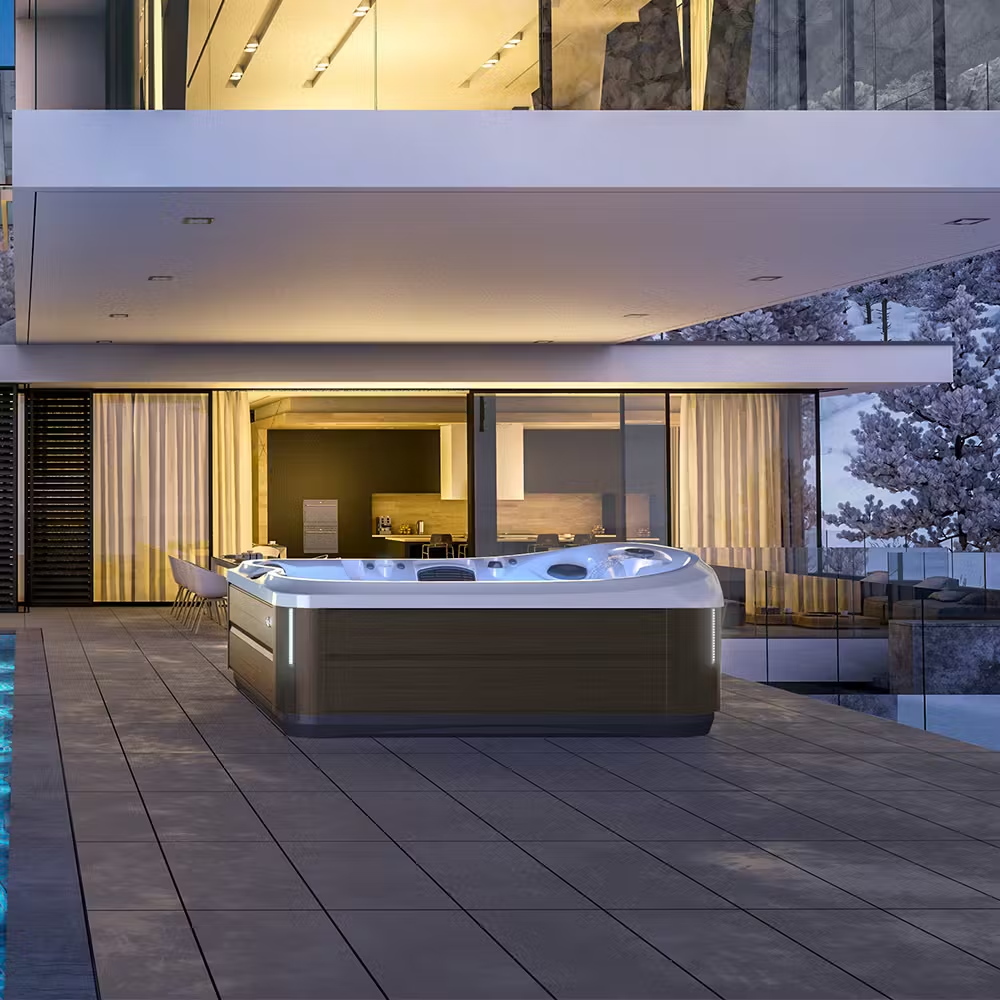
A professionally planned hot tub installation in Basalt, CO can turn an ordinary backyard, patio, or deck into a comfortable place to relax after a long day in the mountains. Whether you want a spa for quiet evenings, entertaining friends, or simply warming up during Colorado’s colder months, the installation process involves more than choosing a hot tub and filling it with water. Homeowners need to consider the installation site, electrical service, structural support, local permitting requirements, access for delivery, and the overall cost of preparing the property.
The good news is that hot tub installation is fairly straightforward when you understand what to expect and work with experienced professionals. Planning ahead can help prevent costly surprises and make installation day much easier.
Below, we will walk through the major factors homeowners in Basalt should consider before purchasing and installing a hot tub.
What Does Hot Tub Installation Typically Involve?
Every property is different, but most hot tub installations follow the same general sequence.
First, you will select the spa that fits your household, available space, preferred features, and budget. From there, the installation site needs to be evaluated to confirm that it can safely support the hot tub when it is completely filled with water and occupied.
The process may include:
- Measuring the installation area
- Confirming delivery access
- Preparing a concrete pad or another suitable foundation
- Evaluating an existing deck for structural capacity
- Installing or upgrading electrical service
- Obtaining applicable permits
- Delivering and positioning the hot tub
- Connecting electrical components
- Filling and testing the spa
- Balancing the water chemistry
- Learning how to operate and maintain the system
Some homes are already well prepared for a spa, while others may require additional electrical, landscaping, concrete, or construction work.
That is why getting an installation assessment before delivery is so important.
How Much Does Hot Tub Installation Cost in Basalt?
There is no single price that applies to every installation. The cost depends heavily on the property, the hot tub selected, and the amount of preparation required.
The hot tub itself is generally the largest expense, but homeowners should also budget for installation-related costs.
Common expenses can include:
Site Preparation
A hot tub requires a solid, level surface capable of supporting significant weight.
A filled spa can weigh several thousand pounds once you account for the shell, equipment, hundreds of gallons of water, and multiple occupants.
Depending on the property, site preparation might involve:
- Pouring a concrete slab
- Reinforcing or modifying a deck
- Installing an approved spa pad
- Leveling an existing patio
- Removing landscaping
- Excavating or grading the installation area
A simple installation on an existing suitable slab will usually cost less than an installation requiring excavation, concrete work, or structural reinforcement.
Electrical Work
Most full-size residential hot tubs require a dedicated electrical circuit. Depending on the spa model, the electrical requirements may include a dedicated breaker, disconnect, GFCI protection, conduit, wiring, and other components.
If your electrical panel has sufficient capacity and is located relatively close to the spa, the work may be relatively straightforward.
Costs can increase when:
- The electrical panel needs to be upgraded
- The hot tub is located far from the panel
- Underground conduit is required
- Landscaping or hardscaping needs to be opened
- Existing wiring does not meet current electrical requirements
Because hot tubs combine electricity and water, electrical work should always be completed according to applicable codes by a qualified professional.
Delivery and Placement
Standard delivery may be relatively simple when installers can move the spa directly from the driveway to the installation area.
Properties in and around Basalt can sometimes present additional challenges because of steep terrain, narrow side yards, retaining walls, fences, landscaping, or limited access.
In some situations, special equipment may be required to place the hot tub.
A crane or specialized lifting equipment, for example, could be necessary when the spa needs to be placed on an elevated deck or in a difficult-to-access backyard.
Do You Need a Permit for a Hot Tub in Basalt?
Permit requirements depend on the scope and location of the project, so homeowners should confirm current requirements before beginning work.
The Town of Basalt maintains building and permitting requirements and currently references adopted building and electrical codes through its Building Department. The town also provides links for building applications and State of Colorado electrical permitting.
Electrical work associated with a hot tub may therefore require an electrical permit and inspection depending on the project.
The Town of Basalt also requires people or businesses performing construction work within town limits to obtain the appropriate contractor licensing, although licensed Colorado electrical and plumbing contractors are addressed separately under the town’s contractor requirements.
Because requirements can vary according to the property and exact installation, homeowners should verify the necessary approvals with the Town of Basalt before construction or electrical work begins.
If your property is outside Basalt town limits, requirements may fall under a different county or jurisdiction.
Basalt’s Energy Requirements Are Another Consideration
Hot tub owners in Basalt should also be aware that the town has sustainability requirements affecting exterior energy uses.
Basalt’s building regulations include provisions for exterior spas. Among other requirements, exterior spas are subject to spa-cover standards intended to improve energy efficiency. The town’s regulations specify insulated covers for exterior spas, with requirements varying according to spa size.
Because building and sustainability regulations can change, it is smart to confirm current requirements during the planning stage rather than after your spa has already been delivered.
Choosing the Right Location for Your Hot Tub
Where you place your hot tub affects almost everything about the installation.
A good location should balance convenience, privacy, safety, views, accessibility, and installation practicality.
Think About How You Will Use the Spa
Basalt winters can make location especially important.
A hot tub placed 100 feet from the back door might seem appealing during summer, but that walk can feel considerably longer when snow is falling, and temperatures are below freezing.
Many homeowners prefer their spa relatively close to the house so they can quickly move between the hot tub and indoors.
At the same time, consider whether steam, noise, lighting, or nighttime conversations could affect nearby bedrooms or neighbors.
Consider Privacy
Hot tubs are much more enjoyable when users feel comfortable.
Potential privacy solutions include:
- Privacy fencing
- Landscaping
- Pergolas
- Decorative screens
- Strategic spa orientation
Before adding permanent structures, however, verify whether zoning, building, homeowners association, or neighborhood requirements apply.
Look at Drainage
Water needs somewhere to go.
Your installation area should be planned so that rain, snowmelt, and water discharged during spa maintenance do not collect around the hot tub foundation or flow toward your home’s foundation.
Proper grading and drainage can help protect both the spa and your surrounding property.
Can You Put a Hot Tub on a Deck?
Possibly, but you should never assume an existing deck can safely support one.
Hot tubs become extremely heavy when filled.
For example, several hundred gallons of water alone can add thousands of pounds before you account for the spa itself or the people inside it.
A deck installation may require evaluation by a qualified contractor or structural professional. Reinforcement might also be necessary.
Factors that can affect deck suitability include:
- Joist dimensions
- Joist spacing
- Beam size
- Post placement
- Footings
- Deck age
- Existing deterioration
- Hot tub size
- Water capacity
- Expected occupancy
If there is any uncertainty, have the structure evaluated before ordering the spa.
Preparing for Hot Tub Delivery
Installation day goes much more smoothly when the delivery route has already been evaluated.
Measure more than the final installation location. You also need to measure the entire path from the delivery vehicle to the spa pad.
Check:
- Gates
- Fences
- Side-yard widths
- Roof overhangs
- Trees and branches
- Air-conditioning units
- Utility equipment
- Steps
- Retaining walls
- Slopes
- Deck railings
Remember that a spa may be transported vertically on a specialized cart, so both width and overhead clearance matter.
Professional hot tub dealers can help determine whether standard delivery is practical or whether another method should be considered.
Think About Service Access Before Installation
One common installation mistake is placing the spa so tightly against walls, landscaping, or permanent structures that technicians cannot reach the equipment compartment.
Your hot tub contains pumps, heaters, plumbing, controls, and other components that may eventually need inspection or service.
Even a highly reliable hot tub will need routine maintenance over its life.
Providing appropriate service access from the beginning can make future maintenance significantly easier.
What Happens After the Hot Tub Is Installed?
Once the spa is positioned and electrical work is completed, the hot tub can be prepared for operation.
This generally includes filling the spa and checking the system.
A new owner should become familiar with:
- Filtration settings
- Heating controls
- Jet controls
- Water-care procedures
- Sanitizer levels
- Filter cleaning
- Cover care
- Drain and refill procedures
The initial setup is also a good opportunity to learn how often the water should be tested and what products are appropriate for your specific spa.
Proper water chemistry is important for comfort, equipment protection, and overall spa longevity.
What About Winter Hot Tub Use in Basalt?
For many Colorado homeowners, winter is one of the best times to own a hot tub.
Sitting in warm water while snow falls around you is part of the appeal of owning a spa in the Roaring Fork Valley.
Winter ownership does require a little planning.
Keep pathways to the spa clear of snow and ice, maintain proper water levels, and routinely inspect the cover.
A quality insulated cover can help reduce heat loss and protect the water from snow, debris, and weather.
You should also avoid casually shutting down or draining your hot tub during freezing weather without understanding the proper winterization process. Water remaining inside pumps or plumbing can freeze and potentially damage spa components.
If you plan to stop using your spa for an extended period, professional winterization may be worth considering.
Additional Features to Consider
Installation planning is also the perfect time to think about features that could make the overall spa area more enjoyable.
Depending on your property, you might consider:
- Outdoor lighting
- Spa steps
- Handrails
- Towel storage
- Privacy screens
- Landscaping
- Seating areas
- Snow-resistant pathways
- Cover lifters
- Outdoor audio systems
A hot tub does not have to stand alone in the middle of a patio.
With thoughtful planning, the surrounding area can become a comfortable outdoor retreat that feels like an intentional extension of your home.
Avoiding Common Hot Tub Installation Mistakes
Most installation problems are preventable.
Before delivery, avoid these common mistakes:
- Choosing a location before checking electrical access
- Assuming an existing deck is strong enough
- Failing to measure the delivery route
- Placing the equipment side of the spa against a wall
- Ignoring drainage
- Overlooking permits
- Forgetting HOA requirements
- Installing the spa on an unstable or uneven surface
- Planning landscaping without leaving service access
It is much easier to address these issues before the hot tub arrives than after it has been placed.
How Long Does a Hot Tub Installation Take?
The actual delivery and placement of a hot tub may happen relatively quickly, but the entire project timeline depends on the amount of preparation involved.
A simple project might require only site confirmation, electrical preparation, delivery, connection, and filling.
More complicated installations could involve:
- Design and site planning
- Permit applications
- Excavation
- Concrete work
- Concrete curing
- Electrical work
- Deck reinforcement
- Spa delivery
- Final connections
- Inspections
If you want your hot tub ready for a particular season, holiday, vacation, or gathering, start planning well in advance.
Frequently Asked Questions About Hot Tub Installation in Basalt, CO
Do I need an electrician to install a hot tub?
Most full-size hardwired spas require professional electrical work. A qualified electrician can ensure the circuit, GFCI protection, disconnect, wiring, and other components meet the spa manufacturer’s specifications and applicable electrical requirements.
Does a hot tub need a concrete pad?
Not always, but it does require a strong, level, stable foundation approved for the spa. Concrete is common because it offers excellent support, but other installation methods may be appropriate depending on the hot tub and property.
Can I put my hot tub directly on grass?
Generally, no. Soil and grass can settle or shift, potentially causing the spa to become uneven. A properly prepared foundation is a much safer long-term solution.
Can a hot tub be installed during winter?
Yes, hot tubs can often be delivered and installed during colder months. However, snow, frozen ground, concrete work, site accessibility, and electrical preparation can affect scheduling.
How close should my hot tub be to the house?
There is no universally perfect distance. Many homeowners prefer convenient access from the house, especially during winter. The final location should also account for electrical requirements, drainage, privacy, service access, and applicable codes.
Will I need a permit for my Basalt hot tub?
Permitting depends on the scope of the installation. Electrical work and certain construction associated with the spa may require permits or inspections. The Town of Basalt provides current building and electrical permitting resources, so requirements should be confirmed before work begins.
How much electricity does a hot tub use?
Energy use varies according to spa size, insulation, water temperature, weather, usage habits, cover quality, and equipment efficiency. A well-insulated spa with a quality cover will generally retain heat more effectively than a poorly insulated system.
How long does it take for a new hot tub to heat up?
Heating time depends on starting water temperature, ambient temperature, heater capacity, spa size, and insulation. It commonly takes several hours to bring freshly filled water to normal soaking temperature, so homeowners should not necessarily expect to use the spa immediately after filling it.
Should I buy the hot tub before planning the installation?
It is usually better to consider the spa and installation together. Knowing the dimensions, electrical requirements, filled weight, and service-access requirements of the model you want can help you prepare the property correctly.
Plan Your Basalt Hot Tub Installation With Ajax Pool & Spa
Installing a hot tub should be exciting, not overwhelming. The key is making sure the spa, installation site, electrical requirements, access, and long-term maintenance needs all work together before delivery day arrives.
Ajax Pool & Spa is a Jacuzzi® hot tub dealer serving the Roaring Fork Valley, helping homeowners explore spa solutions that fit their homes, lifestyles, and outdoor spaces. Whether you are beginning to compare hot tubs or are already thinking about where your new spa will go, experienced guidance can help you make informed decisions and prepare for a smoother installation.
Ready to start planning your own backyard retreat? Contact us today. Call and let’s talk solutions.