Best Hot Tubs for Mountain Homes in Aspen (Luxury Buyer’s Guide)
Owning a mountain home in Aspen offers unmatched access to alpine scenery, outdoor recreation, and year-round relaxation. A premium hot tub can make that experience even better, especially during the long winter season. However, not every spa is designed to perform reliably at high elevations or in subzero temperatures. The best hot tubs for cold climates combine powerful insulation, efficient heating, durable construction, comfortable seating, and dependable service support. For luxury homeowners in Aspen and throughout the Roaring Fork Valley, selecting the right model requires careful consideration of both performance and design.
Why Aspen Mountain Homes Need a Cold-Climate Hot Tub
Aspen’s climate creates unique demands for outdoor spas. Temperatures can remain below freezing for extended periods, snow can accumulate quickly, and high-altitude conditions may affect installation requirements. A hot tub that performs well in a mild climate may struggle to maintain water temperature efficiently during an Aspen winter.
A properly selected cold-weather hot tub should provide:
- Reliable operation during freezing temperatures
- Strong insulation that reduces heat loss
- Energy-efficient pumps and heating systems
- A secure, well-insulated cover
- Durable cabinetry and components
- Comfortable hydrotherapy after skiing, hiking, or cycling
- Easy maintenance throughout every season
Luxury buyers should look beyond appearance alone. Premium finishes and elegant design are important, but the internal engineering determines how well the spa performs when temperatures drop.
What Makes a Hot Tub Ideal for Cold Climates?
Several features distinguish high-quality cold-climate spas from standard models. Understanding these features can help Aspen homeowners make a more informed purchase.
Advanced Insulation
Insulation is one of the most important factors when choosing a mountain hot tub. A well-insulated spa retains heat more effectively, reduces heater usage, and helps protect plumbing from freezing.
Premium hot tubs may use full-foam insulation, layered insulation, reflective materials, or proprietary thermal systems. The goal is to limit heat loss through the shell, cabinet, plumbing, and equipment compartment.
Homeowners should also evaluate how the insulation is installed. High-quality insulation should support energy efficiency while still allowing trained technicians to access major components when service is needed.
High-Performance Heating
An Aspen hot tub must maintain a comfortable water temperature even when the surrounding air is well below freezing. A dependable heating system should warm the water efficiently and recover heat quickly after the cover is removed.
The spa’s heater, circulation system, insulation, and cover all work together. A larger heater alone does not guarantee better cold-weather performance. The entire system must be engineered for consistent temperature control.
Energy Efficiency
Energy efficiency is especially important in cold climates because the hot tub must work harder to maintain water temperature. An inefficient spa can lead to unexpectedly high utility costs.
Look for features such as:
- Programmable filtration cycles
- Dedicated circulation pumps
- Efficient jet pumps
- High-density insulation
- Smart temperature controls
- Tight-fitting insulated covers
- Energy-conscious operating modes
A premium hot tub may cost more initially, but better insulation and efficient equipment can reduce long-term operating expenses.
Durable Exterior Materials
Aspen hot tubs are exposed to snow, ice, sunlight, temperature changes, and moisture. The exterior cabinet should resist warping, fading, cracking, and deterioration.
Synthetic cabinetry is often a practical choice for mountain homes because it can provide the appearance of wood without the same maintenance requirements. Homeowners should also consider the spa base, shell material, hardware, and cover construction.
Quality Spa Cover
A high-quality cover is essential in a cold climate. Heat naturally rises, and a significant amount of energy can escape through the water’s surface if the cover is thin, damaged, or poorly fitted.
A cold-weather cover should be:
- Properly sized for the spa
- Thick enough for winter conditions
- Designed to resist water absorption
- Strong enough to handle seasonal use
- Secured with functional straps and locks
- Inspected regularly for damage
Snow should be removed carefully rather than allowed to build up. Excess weight can damage the cover and compromise its insulating performance.
Best Hot Tub Styles for Aspen Homes
The best hot tub configuration depends on the property, the number of users, and the homeowner’s preferred experience. Luxury buyers should consider how the spa will be used before selecting a size or seating layout.
Compact Luxury Hot Tubs
A compact hot tub can be an excellent choice for a smaller patio, private deck, guest residence, or condominium. These models are often designed for two to four people and may include many of the same premium features found in larger spas.
Compact spas may offer:
- Lower water volume
- Faster heating
- Reduced maintenance
- Efficient energy use
- Intimate seating arrangements
- Easier integration into smaller outdoor spaces
Buyers should confirm that the spa provides sufficient depth and legroom. A small footprint should not require sacrificing comfort.
Mid-Size Hot Tubs
Mid-size spas are popular for couples, families, and homeowners who entertain occasionally. They typically seat four to six adults and offer a balance between spaciousness and efficiency.
A well-designed mid-size hot tub may include multiple seat heights, targeted jet configurations, a lounge seat, and open seating. This variety can accommodate users with different heights and hydrotherapy preferences.
Large Entertainment Hot Tubs
For large mountain residences, vacation properties, and homes designed for entertaining, a seven-person or eight-person spa may be the best fit. Larger hot tubs provide more seating but require careful planning for installation, access, electrical service, and maintenance.
Luxury buyers should consider:
- How often the spa will be used by groups
- Whether the seating is comfortable when fully occupied
- The location of entry steps and handrails
- Water displacement when multiple guests enter
- The strength of the supporting surface
- The availability of nearby towel and storage areas
A larger model is not automatically better. The right spa should match the property’s typical usage patterns.
Choosing Between Lounge and Open Seating
Seating layout has a major impact on the hot tub experience. Lounge seats support the entire body and can provide targeted therapy for the back, legs, calves, and feet. They are popular with homeowners who want a relaxing, reclined position after a day on the mountain.
Open seating provides more flexibility and makes it easier for guests to move between seats. It can also maximize usable seating capacity.
A lounge model may be ideal for:
- Couples
- Individual relaxation
- Full-body hydrotherapy
- Users who prefer reclining
An open-seating model may be better for:
- Families
- Social gatherings
- Vacation rental properties
- Users of different heights
- Homeowners who prioritize capacity
Some premium spas combine both layouts, offering a lounge seat along with several upright therapy seats.
Hydrotherapy Features for Active Aspen Lifestyles
Aspen residents and visitors often spend their days skiing, snowboarding, hiking, cycling, golfing, or participating in other demanding activities. A well-designed hot tub can support relaxation and recovery by combining warm water with targeted massage.
When comparing spas, consider the placement and variety of jets rather than focusing only on the total jet count. More jets do not necessarily create a better massage.
Look for jets designed to target:
- Neck and shoulders
- Upper and lower back
- Hips
- Wrists and hands
- Calves
- Feet
Adjustable jets and variable pump settings allow users to personalize the intensity. Premium models may also offer distinct therapy seats, with each seat targeting different muscle groups.
Design Considerations for Luxury Mountain Properties
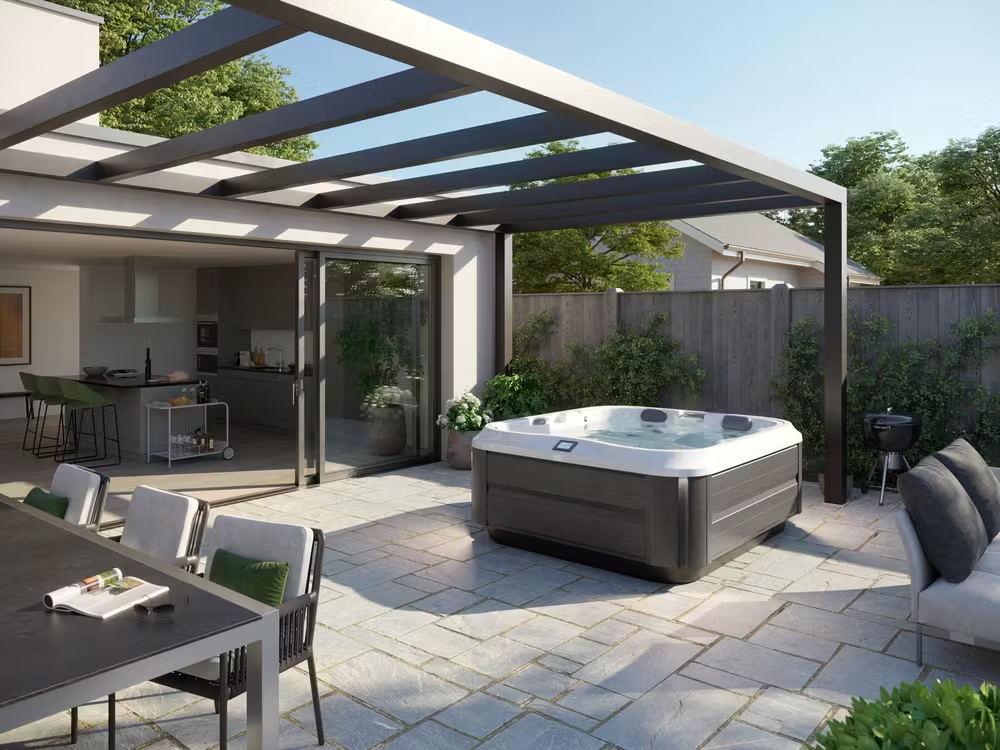
A hot tub should complement the architecture and landscape of the home. Aspen properties may feature contemporary glass, natural stone, timber, metal accents, or traditional alpine design. The spa’s shell color, cabinetry, shape, and placement should feel intentional.
Popular placement options include:
- A private deck overlooking the mountains
- A sheltered patio near the primary suite
- A recessed installation with stone surrounds
- A spa terrace connected to an outdoor kitchen
- A dedicated wellness area near a sauna or fitness room
- A covered space that provides protection from snow
Homeowners should preserve access to the equipment compartment. Completely enclosing the spa without service panels can make future repairs more complicated and expensive.
Privacy should also be considered. Screens, landscaping, walls, and strategic lighting can create a secluded environment without obstructing important views.
Installation Requirements at High Elevation
Professional installation is essential for safety, performance, and long-term reliability. Before delivery, the site should be evaluated for structural support, electrical requirements, drainage, access, and local regulations.
The spa must rest on a level, stable surface capable of supporting its filled weight. Depending on the property, the appropriate foundation may include:
- A reinforced concrete pad
- An engineered deck
- A professionally installed spa base
- A structurally verified rooftop or terrace
A licensed electrician should complete the electrical connection according to the spa manufacturer’s requirements and applicable codes. The homeowner should also plan for safe winter access, including a clear walking path, proper lighting, non-slip surfaces, and snow management.
Smart Controls and Luxury Features
Modern hot tubs may include connected controls that allow homeowners to monitor or adjust certain settings remotely. These capabilities can be valuable for second homes and vacation properties, particularly when owners want greater visibility between visits.
Available luxury features may include:
- Smartphone-based monitoring
- Remote temperature adjustments
- Automated filtration settings
- Water-care notifications
- LED lighting
- Illuminated controls
- Waterfalls
- Premium audio options
- Integrated steps and accessories
Smart features should support the ownership experience rather than complicate it. Buyers should choose technology that is intuitive, reliable, and supported by a local dealer.
Water Care and Maintenance
A luxury hot tub should be enjoyable, not burdensome. Modern water-care systems can simplify maintenance, but every spa still requires regular attention.
Routine responsibilities generally include:
- Testing and balancing the water
- Maintaining the recommended sanitizer level
- Cleaning or replacing filters
- Wiping the shell and waterline
- Inspecting the cover
- Draining and refilling the spa as recommended
- Scheduling professional service when necessary
Aspen homeowners who travel frequently may benefit from professional maintenance. Consistent care can protect water quality, reduce equipment strain, and help identify small problems before they become major repairs.
Why Local Dealer Support Matters
The relationship with the dealer is almost as important as the hot tub itself. A local dealer understands regional weather conditions, installation challenges, water characteristics, and seasonal maintenance needs.
Before purchasing, ask the dealer about:
- Delivery and site access
- Electrical preparation
- Foundation requirements
- Warranty coverage
- Parts availability
- Service response
- Water-care education
- Winter operating recommendations
- Ongoing maintenance options
Buying from an established local dealer provides access to trained professionals who can help with selection, installation, operation, and service. This support is especially valuable for mountain properties where weather and accessibility may complicate maintenance.
How to Choose the Right Aspen Hot Tub
Luxury buyers should begin by identifying how the spa will be used. Consider the number of regular users, preferred seating style, hydrotherapy goals, available space, design preferences, and maintenance expectations.
A useful buying process includes:
- Measure the installation area and delivery path.
- Determine the ideal seating capacity.
- Compare lounge and open-seating layouts.
- Evaluate insulation and cold-weather performance.
- Review energy-efficiency features.
- Test the seats whenever possible.
- Confirm warranty and service details.
- Plan the foundation and electrical work.
- Select a durable cover and accessories.
- Work with a qualified local dealer.
Wet testing a hot tub can be especially helpful. A model that looks comfortable in a showroom may feel different when filled. Testing allows buyers to evaluate seat depth, buoyancy, jet placement, noise level, and control accessibility.
Frequently Asked Questions
What are the best hot tubs for cold climates?
The best cold-climate hot tubs have advanced insulation, dependable heating systems, energy-efficient circulation, durable components, and thick, fitted covers. Local service support is also important.
Can a hot tub stay outside during an Aspen winter?
Yes. A properly installed and maintained hot tub can operate throughout the winter. It should remain powered, heated, covered, and monitored to reduce the risk of freezing.
Is it expensive to run a hot tub in cold weather?
Operating costs depend on the spa’s insulation, efficiency, size, temperature settings, cover condition, usage, and local utility rates. A well-insulated premium model is generally more efficient than a poorly insulated spa.
Should I drain my hot tub for the winter?
Most homeowners who use their spa year-round should keep it filled and operating. If the spa will be shut down, it should be professionally winterized to remove water from the plumbing and equipment.
How often should hot tub water be changed?
Water-change frequency depends on usage, water care, spa size, and manufacturer guidance. Many residential spas require draining and refilling several times per year.
Is a lounge seat or open seating better?
A lounge seat is ideal for full-body relaxation, while open seating offers greater flexibility and capacity. The best option depends on the number of users and their therapy preferences.
Can a hot tub be installed on a deck?
Yes, but the deck must be evaluated to confirm that it can support the weight of the filled spa, water, and occupants. A qualified structural professional may be needed.
How close should the hot tub be to the house?
The spa should be close enough for convenient winter access while still meeting local codes, electrical requirements, drainage needs, and manufacturer recommendations.
Do luxury hot tubs require professional maintenance?
Professional maintenance is not always required, but it can be helpful for second homes, vacation properties, and owners who prefer hands-off water care.
Why should I buy from a local hot tub dealer?
A local dealer can provide region-specific recommendations, coordinate delivery, explain winter care, offer warranty support, and provide faster access to service and replacement parts.
Find the Right Hot Tub for Your Aspen Mountain Home
The right hot tub can transform an Aspen property into a private year-round retreat. From soothing hydrotherapy after a day of skiing to quiet evenings beneath the stars, a premium spa adds comfort, wellness, and enjoyment to mountain living.
Ajax Pool & Spa is a Jacuzzi® hot tubs dealer serving Aspen and the Roaring Fork Valley. Our team can help you compare models, evaluate cold-climate features, plan your installation, and select a spa that complements your home and lifestyle. Call today, and let’s talk solutions.