
How to Keep Your Hot Tub Running in Extreme Cold (Aspen Winter Guide)
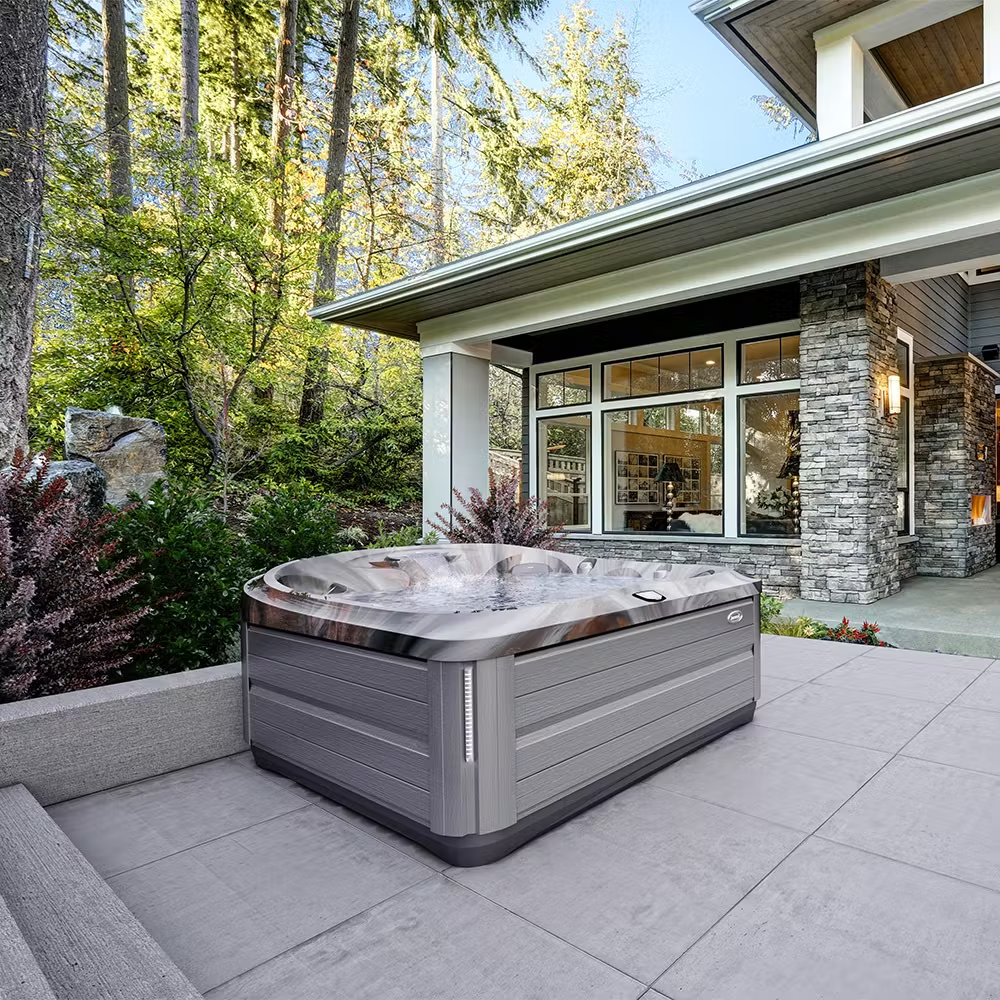
Aspen winters are beautiful, but they can be demanding on outdoor spas. When temperatures drop, snow piles up, and freezing winds move through the Roaring Fork Valley, hot tub extreme cold maintenance becomes essential for protecting your investment, preserving water quality, and keeping your spa ready when you need it most. A well-maintained hot tub can deliver reliable comfort all winter long, but cold weather creates unique risks that homeowners should not ignore.
Hot tubs are designed to operate in winter conditions, and many owners use them more during the coldest months of the year. There is nothing quite like soaking in warm, bubbling water while snow falls around you. However, extreme cold can put extra pressure on your spa’s plumbing, pumps, heater, cover, cabinet, and water chemistry. If a system fails during a deep freeze, even a short period without circulation or heat can lead to frozen lines, cracked components, and costly repairs.
The good news is that with the right winter care routine, your hot tub can stay efficient, safe, and enjoyable throughout the season. This Aspen winter guide explains how to keep your hot tub running in extreme cold, what to check before temperatures plunge, and when to call a professional for service.
Why Extreme Cold Is Hard on Hot Tubs
Cold weather affects a hot tub in several ways. First, the system has to work harder to maintain your preferred water temperature. Your heater cycles more often, your cover becomes more important, and any small efficiency issue becomes more noticeable. Second, freezing temperatures increase the risk of damage if water stops moving through the plumbing. Water expands when it freezes, and that expansion can crack pipes, fittings, pump housings, manifolds, and other components.
Aspen’s winter conditions can also bring heavy snow, ice buildup, wind exposure, and temperature swings. These conditions make regular checks especially important. A hot tub that is ignored for several days during extreme cold may develop problems quickly, even if it was running properly before the storm.
Some of the most common winter hot tub issues include:
- Frozen plumbing lines
- Heater failure
- Poor circulation
- Cover damage from snow load
- Low water levels
- Cloudy or unbalanced water
- Pump strain
- Electrical interruptions
- Cabinet air leaks
- Ice buildup around the spa
Routine care helps reduce these risks and keeps your spa ready for safe, comfortable use.
Keep the Water Temperature Consistent
One of the most important winter hot tub tips is to keep the water temperature consistent. During extreme cold, it is usually better to maintain your spa at a steady soaking temperature than to let it cool down between uses. When water temperature drops significantly, the heater must work harder to bring it back up, and the plumbing becomes more vulnerable to freezing if circulation is interrupted.
Most hot tub owners keep their water between 100 and 104 degrees Fahrenheit during winter. Always follow your spa manufacturer’s temperature guidelines and use caution, especially for children, older adults, and anyone with health concerns.
Avoid turning the hot tub off in winter unless it has been properly winterized. A filled spa without heat and circulation can freeze quickly in severe conditions. Even if you plan to be away for a few days, it is usually safer to leave the spa running and arrange for someone to check it.
Check Water Level Often
Low water level is one of the simplest problems to prevent, but it can become serious in freezing weather. If the water drops too low, the pump may pull in air instead of water. This can cause circulation problems, heater errors, and possible pump damage. In extreme cold, poor circulation can also increase the chance of frozen plumbing.
Check the water level at least weekly during winter, and more often during periods of frequent use. Water can splash out during soaking, evaporate more quickly in cold, dry air, or drop due to small leaks. Keep the water level high enough to cover the jets and allow proper filtration.
A good winter habit is to inspect the water level before each soak. If it is low, add water before using the spa. When adding water in freezing weather, take care around hoses and outdoor faucets. Drain hoses after use so they do not freeze.
Maintain Proper Water Chemistry
Cold weather does not eliminate the need for water care. In fact, winter soaking can make water chemistry more important because hot tubs often get heavier use during ski season, holidays, and cold evenings. Balanced water protects bathers, helps sanitizers work properly, and reduces scale, corrosion, and cloudy water.
Focus on these key water care tasks:
- Test sanitizer levels regularly
- Keep pH in the recommended range
- Monitor alkalinity
- Shock the water as needed
- Clean or rinse filters
- Watch for cloudy water or odors
- Drain and refill when recommended
When water chemistry is neglected, contaminants can build up, filters can clog, and equipment may have to work harder. In cold climates, it is best to prevent water problems before they require draining and refilling during freezing temperatures.
If your water becomes difficult to balance, contact a spa professional. A service technician can test the water, identify issues, and recommend the right treatment plan.
Protect and Inspect the Hot Tub Cover
Your hot tub cover is one of the most important parts of your winter setup. A quality cover helps retain heat, reduce energy use, protect the water from snow and debris, and keep the spa more efficient. In extreme cold, a worn or damaged cover can cause heat loss and make your heater work much harder.
Inspect your cover for:
- Cracks or tears in the vinyl
- Waterlogged foam
- Sagging areas
- Broken straps or locks
- Poor seal around the spa shell
- Heavy snow accumulation
A waterlogged cover loses insulation value and becomes difficult to lift. If your cover is saturated, sagging, or no longer sealing well, replacement may be the smartest option before deep winter sets in.
Remove snow from the cover carefully. Use a soft broom or brush instead of a shovel, which can cut or damage the vinyl. Avoid letting heavy snow sit on the cover for long periods, especially after storms.
Keep the Cover Closed When Not in Use
Every minute the cover is open in extreme cold allows heat to escape. During winter, keep the cover closed whenever the hot tub is not being used. This helps the water stay warm, reduces energy consumption, and protects the spa from falling snow, ice, leaves, and debris.
When soaking, plan ahead so the cover is not left open longer than necessary. After you get out, secure it right away. Make sure the cover sits properly, and the straps are fastened, especially if wind is expected.
A cover lifter can make this process easier and safer. In icy conditions, trying to move a heavy cover by hand can be awkward. A lifter helps protect the cover and makes winter use more convenient.
Make Sure the Spa Has Proper Circulation
Circulation is critical in freezing weather. Moving water is less likely to freeze, and proper circulation allows the heater and filtration system to do their jobs. If your spa displays a flow error, temperature error, or heater warning, do not ignore it.
Signs of circulation problems may include:
- Weak jet pressure
- Unusual pump noise
- Heater not maintaining temperature
- Error codes on the control panel
- Water not moving through filters
- Cold spots in the spa
- Tripped breaker or shutdown
If you notice these warning signs, check the filter first. A dirty or clogged filter can restrict flow and cause system errors. Remove and rinse the filter according to the manufacturer’s instructions. If the problem continues, call a professional.
Do not keep resetting a breaker or control panel without identifying the cause. Repeated electrical issues or flow errors may point to a deeper equipment problem.
Clean and Rotate Filters
Filters play a major role in winter performance. Dirty filters restrict water flow, reduce filtration efficiency, and can trigger heater or flow problems. Since hot tubs may be used more often during winter, filters may need extra attention.
A smart winter filter routine includes:
- Rinsing filters weekly or as needed
- Deep cleaning filters monthly
- Replacing worn filters
- Keeping a spare filter on hand
- Checking for cracked or damaged filter cores
Having a clean backup filter is especially helpful in winter. You can swap filters quickly without leaving the spa down for long, which is important when temperatures are below freezing.
Watch for Ice Around the Hot Tub
Ice around your hot tub is both a safety issue and a maintenance concern. Splash-out, snowmelt, and condensation can freeze on steps, decking, and walkways. This creates slipping hazards and can also make it harder to access the spa for service or emergency checks.
Keep the area around the spa clear and safe by:
- Shoveling snow from access paths
- Using outdoor-safe traction mats
- Clearing ice from steps carefully
- Keeping service panels accessible
- Avoiding chemical deicers that may damage surfaces
Make sure a technician can reach the equipment compartment if service is needed. Deep snow around the cabinet can delay repairs and may trap moisture against the spa exterior.
Keep the Equipment Compartment Protected
The equipment compartment houses pumps, plumbing, heater components, electrical connections, and controls. During extreme cold, this area should remain protected from wind, snow, and ice. Check that cabinet panels are secure and that there are no obvious gaps where cold air can blow directly into the equipment area.
Do not remove access panels during freezing weather unless necessary. If a panel must be opened for inspection, close it promptly and securely. If you suspect an equipment problem, schedule service quickly rather than leaving the compartment exposed.
Some hot tub owners are tempted to add space heaters or other heat sources inside the cabinet. This can be dangerous if done improperly. Electrical devices, moisture, and enclosed spa cabinets can create serious hazards. Always ask a professional before attempting temporary freeze protection.
Prepare for Power Outages
Power outages are one of the biggest winter risks for hot tubs in cold climates. Without electricity, your spa cannot circulate or heat the water. During mild weather, this may not be urgent, but during extreme cold, the situation can become serious quickly.
If the power goes out:
- Keep the cover closed
- Do not drain the spa unless instructed by a professional
- Avoid opening panels unnecessarily
- Monitor the outage duration
- Contact a spa professional if the outage lasts for an extended period
A well-insulated hot tub with a quality cover may retain heat for some time, but conditions vary. Wind, air temperature, cover condition, water temperature, and spa insulation all affect how quickly the water cools.
For homes that experience frequent outages, it may be worth discussing backup power options or winter service plans with a professional.
Use Your Hot Tub Safely in Aspen Winter Conditions
Winter soaking can be enjoyable, but safety should come first. Cold air can make hot water feel especially inviting, and it can be easy to stay in too long. Always follow safe soaking practices.
Keep these safety tips in mind:
- Limit soak time based on water temperature and personal comfort
- Stay hydrated
- Avoid alcohol before or during soaking
- Use handrails and non-slip steps
- Keep towels and robes nearby
- Do not soak alone in severe weather
- Watch children closely
- Exit carefully to avoid slipping
If you feel dizzy, overheated, lightheaded, or uncomfortable, exit the spa immediately. Extreme outdoor temperatures can affect how your body responds to hot water, especially after skiing, snowboarding, or other strenuous winter activities.
Do Not Drain Your Hot Tub During Extreme Cold Without a Plan
Draining and refilling a hot tub in freezing temperatures can be risky. Water left in plumbing lines can freeze, and refilling may be difficult if hoses or outdoor spigots are frozen. If a drain and refill is necessary during winter, plan it carefully and complete the process quickly.
Before draining in cold weather:
- Check the forecast
- Choose the warmest part of the day
- Have all supplies ready
- Make sure hoses are usable
- Know how to refill and restart the spa
- Confirm that the system is circulating properly afterward
If you are unsure, schedule professional service. A technician can help reduce the risk of freeze damage and ensure the spa is restarted correctly.
Consider Professional Winter Service
Professional service is a smart investment for Aspen homeowners who want reliable hot tub performance throughout winter. A trained technician can inspect components, test water, check circulation, identify worn parts, and help prevent freeze-related issues.
Professional winter service may include:
- Equipment inspection
- Leak checks
- Filter cleaning or replacement
- Water testing and balancing
- Cover inspection
- Jet and pump performance checks
- Control panel diagnostics
- Winter maintenance recommendations
Regular service is especially valuable for vacation homes, rental properties, second homes, and busy households. If you are not checking the spa consistently, professional support can help catch problems before they become expensive.
Winter Hot Tub Maintenance Checklist
Use this checklist to help keep your spa running in extreme cold:
- Keep the water heated and circulating
- Check water level at least weekly
- Test and balance water regularly
- Rinse filters often
- Keep a spare clean filter available
- Remove snow from the cover gently
- Keep the cover closed and latched
- Clear snow and ice around the spa
- Watch for error codes or unusual noises
- Inspect the cover seal
- Keep cabinet panels secure
- Have a plan for power outages
- Schedule professional service when needed
Consistency matters. Small maintenance steps can make a major difference during Aspen’s coldest weeks.
FAQ
Can I use my hot tub when it is below freezing?
Yes. A properly maintained hot tub can be used safely in below-freezing temperatures. Keep the water heated, maintain good chemistry, use safe walkways, and close the cover immediately after use.
Should I turn down my hot tub temperature when I am not using it?
In extreme cold, it is usually better to keep the temperature consistent. Letting the water cool too much can make the heater work harder and may increase freeze risk if circulation stops.
What happens if my hot tub loses power in winter?
Keep the cover closed and avoid opening the spa unnecessarily. If the outage lasts for an extended period during extreme cold, contact a spa professional for guidance.
How often should I check my hot tub in winter?
Check it at least weekly, and more often during heavy use, storms, power interruptions, or severe cold. Water level, temperature, cover condition, and error codes should be monitored closely.
Can a hot tub freeze if it is full of water?
Yes. If the heater or circulation system stops working during freezing weather, water in the plumbing and equipment can freeze. This can cause significant damage.
Should I drain my hot tub for winter?
Only drain it if you are properly winterizing it or working with a professional. A drained spa can still have water trapped in lines, which may freeze if not removed correctly.
Why is my hot tub struggling to stay warm?
Possible causes include a damaged cover, low water level, dirty filters, poor circulation, heater issues, wind exposure, or extreme outside temperatures. A professional inspection can identify the cause.
How do I protect my hot tub cover from snow?
Remove snow with a soft broom or brush. Do not use a shovel or sharp tool, as it can damage the vinyl. Replace the cover if it is waterlogged, cracked, or sagging.
Call Ajax Pool & Spa for Aspen Winter Hot Tub Solutions
Keeping your hot tub running through an Aspen winter takes the right care, the right equipment, and the right support. Whether you need seasonal maintenance, troubleshooting, a replacement cover, water care guidance, or help choosing a new Jacuzzi® hot tub, we are here to help.
We are a Jacuzzi® hot tub dealer serving the Roaring Fork Valley, with solutions designed for Colorado mountain living. Call today and let’s talk solutions for keeping your spa comfortable, efficient, and ready for every cold-weather soak.