
How to Winterize a Swim Spa: Step-by-Step Guide
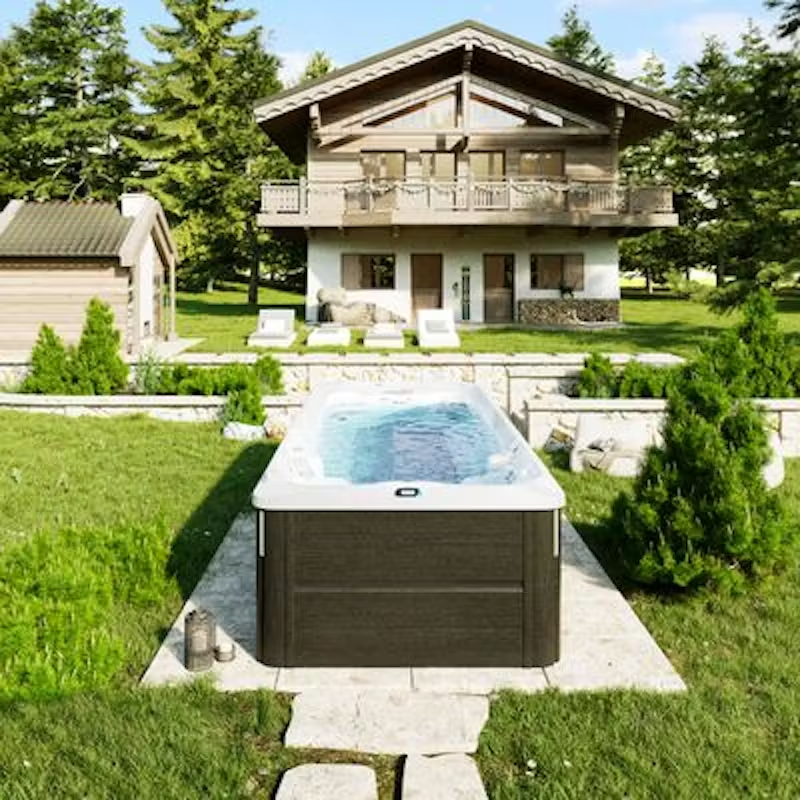
Owning a swim spa is an investment in year-round wellness, relaxation, and fitness. When temperatures drop, proper seasonal care becomes essential. Knowing how to winterize a swim spa helps protect your equipment, plumbing, and shell from freeze damage, costly repairs, and unnecessary wear.
Whether you plan to keep your swim spa running through winter or shut it down completely, the steps below will help you prepare with confidence.
Why Winterizing a Swim Spa Is Essential
Cold weather presents unique challenges for swim spa owners, especially in mountain and high-altitude regions where temperatures can fluctuate quickly. Water expands as it freezes, and even small amounts trapped in plumbing lines, pumps, or fittings can cause cracks or internal damage.
Key benefits of winterizing your swim spa include:
- Preventing freeze damage to pipes, pumps, and jets
- Extending the lifespan of equipment and components
- Reducing energy waste and operating costs
- Avoiding expensive spring repairs
- Helping maintain manufacturer warranty requirements
Before you begin, decide whether you will fully winterize the swim spa (shut it down) or prepare it to operate safely throughout the winter.
Decide Whether to Shut Down or Keep Running
Not all swim spa owners choose to drain their unit for winter. Many modern swim spas are designed to operate year-round when properly maintained and insulated. However, full winterization may be the best option in certain situations.
You may want to shut down and winterize if:
- You will not be using the swim spa during winter
- Power availability is unreliable
- You plan to be away for extended periods
- The swim spa is older or less insulated
- Energy costs are a concern
If you choose to keep the spa running, winter preparation still involves important steps to maintain consistent heat, balanced water chemistry, and freeze protection.
Gather Tools and Supplies Before You Start
Preparation makes the winterization process smoother and more effective. Before you start, gather the tools and supplies you will need.
Common winterization supplies include:
- Garden hose
- Submersible pump or spa drain hose
- Wet-dry vacuum
- Non-toxic RV or marine antifreeze (never automotive antifreeze)
- Spa filter cleaner
- Clean towels or rags
- Water testing kit
- Screwdriver or basic hand tools
- Protective gloves
Having everything ready reduces the chance of missed steps that could lead to freeze damage.
Step 1: Power Down the Swim Spa Safely
Before draining or servicing any component, turn off power at the breaker. This is critical for safety and helps prevent damage to pumps and heaters when water levels drop.
Make sure:
- All control panels are powered off
- The GFCI breaker is switched off
- The spa cannot cycle automatically during servicing
Never attempt to drain or winterize a swim spa while power is still connected.
Step 2: Drain the Water Completely
Draining the swim spa thoroughly is one of the most important steps. Even small amounts of leftover water can freeze and cause damage.
Steps to drain properly:
- Attach a hose to the drain valve or use a submersible pump
- Direct water away from the foundation and surrounding areas
- Open air valves and diverter valves to help water escape
- Allow sufficient time for full drainage
Once drained, inspect the shell and interior surfaces for buildup or residue that should be cleaned before storage.
Step 3: Remove and Clean the Filters
Filters should not be left in the swim spa during winterization. Remove them carefully and clean them thoroughly using a dedicated spa filter cleaner.
After cleaning:
- Rinse completely and allow to dry
- Store in a clean, dry indoor location
- Inspect for wear or damage and replace if needed
Clean filters help improve performance at spring startup and can extend system life.
Step 4: Blow Out the Plumbing Lines
This step is essential and often overlooked. Even after draining, water can remain trapped in plumbing lines, jets, and pumps.
To remove trapped water:
- Use a wet-dry vacuum on each jet, suction fitting, and drain opening
- Alternate between vacuum and blower modes if available
- Continue until no water mist or droplets appear
Pay special attention to swim jets and therapy jets, as these lines often hold more water.
Step 5: Add Antifreeze to Plumbing Lines
After blowing out the lines, add non-toxic antifreeze designed for RV or marine use. Never use automotive antifreeze, as it is toxic and unsafe for spa systems.
Where to add antifreeze (as appropriate for your model):
- Jet openings
- Pump housings
- Filter compartments
- Any low points in plumbing
This provides an added layer of freeze protection during extreme cold.
Step 6: Clean and Protect the Interior Shell
Before closing the swim spa, clean all interior surfaces to help prevent stains, odors, and buildup over winter.
Recommended steps:
- Wipe down the shell with a spa-safe cleaner
- Remove any debris from footwells or seating areas
- Dry surfaces thoroughly with towels
A clean shell makes spring startup easier and helps protect the finish.
Step 7: Secure and Insulate the Cover
A high-quality, well-fitted cover is critical for winter protection. Inspect the cover before closing the spa.
Check for:
- Cracks or waterlogged foam cores
- Torn vinyl or broken straps
- A proper seal around the edges
For extra protection, consider adding a thermal blanket under the cover. Secure all straps tightly to reduce wind damage and heat loss.
Step 8: Protect the Cabinet and Exterior Components
Cold temperatures, snow, and ice can affect the exterior of your swim spa. Protecting the cabinet and maintaining airflow can help prevent moisture issues and component damage.
Exterior protection tips:
- Clear debris from vents and access panels
- Ensure proper drainage around the base
- Avoid piling snow against the cabinet
- Use a breathable spa cover protector if needed
Good airflow helps reduce moisture buildup and protects internal components.
Ongoing Winter Care for Active Swim Spas
If you choose to keep your swim spa running during winter, maintenance remains essential.
Key winter care practices include:
- Maintaining water temperature above freezing at all times
- Testing water chemistry regularly
- Keeping filters clean and free of ice
- Checking the cover seal frequently
- Monitoring for error codes or unusual noises
Many premium swim spas are designed to handle cold climates when properly cared for.
Common Winterization Mistakes to Avoid
Even experienced spa owners can make winterization mistakes. Avoid these common issues to protect your investment.
- Leaving water in plumbing lines
- Forgetting to turn off power completely
- Using the wrong type of antifreeze
- Skipping filter removal
- Relying on the cover alone for freeze protection
Professional service can help prevent these errors, especially in regions with severe winter conditions.
When to Call a Professional
While many steps can be handled by homeowners, professional winterization helps ensure every detail is handled correctly. This can be especially important for swim spas with complex plumbing systems or advanced technology.
Professional service is recommended if:
- You are unsure about blowing out plumbing lines
- The spa has experienced previous freeze damage
- You want warranty-compliant winterization
- Time or weather conditions are limited
Experienced technicians have the tools and expertise to help protect your swim spa properly.
Contact Us Today
Learning how to winterize a swim spa is a crucial part of responsible ownership. Whether you shut it down or maintain it through winter, proper preparation protects your investment and helps ensure stress-free enjoyment when warmer weather returns.
If you would like expert guidance or professional winterization services, contact Ajax Pool & Spa, a trusted Jacuzzi® hot tubs dealer serving the Roaring Fork Valley. Our experienced team understands local climate challenges and offers tailored solutions for swim spa owners. Call today and let’s talk solutions.