What to Do if My Pool Frog System is Not Releasing Chlorine
The following scenario is a nightmare for homeowners in the Aspen, Colorado region. One day, the pool frog system is not releasing chlorine and despite their best efforts, they cannot figure out why. If the frog system is not releasing chlorine, this is a sure sign that something needs to be done but what? Let’s take a closer look at the steps that need to be taken in these instances…
Getting Started
There is no reason to delay when it comes time to address issues of this nature. For example, when the cartridge runs out? It needs to be immediately replaced to maintain balanced pool chemicals. If it is not, the pool will quickly become filthy. The cartridge should also be replaced if it is not releasing enough chlorine. These are the simplest steps that can be taken but there are other areas of concern that have to be monitored closely.
What About Cloudy Water?
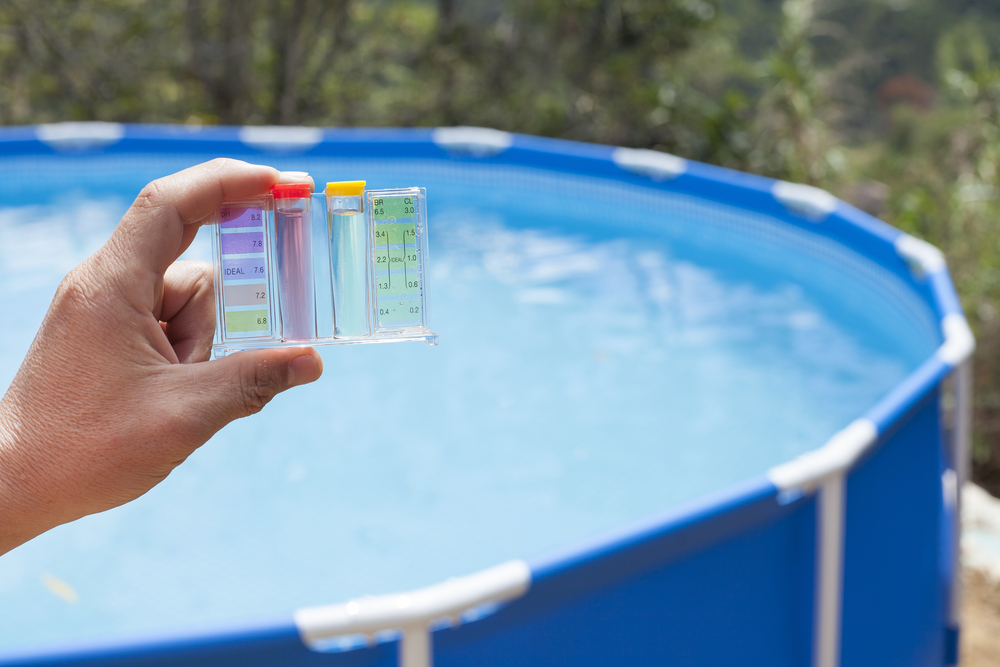
Obviously, it should go without saying that cloudy water is less than ideal. For starters, the homeowner will want to make sure that they have cleaned the filter, the skimmer and the pump basket. Give the pump an adequate amount of time for circulation. Organic matter buildup must be removed. Shocking the pool is the best choice in these instances. The free chlorine reading should fall somewhere between 0.5 to 1.0 ppm.
What If The Water Has Changed Color?
Metals in the fill water could be causing oxidation. The pool needs to be tested in these instances before the homeowner can proceed. Clean the filter and shock the pool until the proper level of clarity has returned. Algae often forms when discolored water is allowed to remain. The pool needs to be shocked before it has a chance to do so. Make sure that the circulation time is increased. The filter may also need to be cleaned.
What If Algae Does End Up Forming?
In some instances, algae will form despite the homeowner’s best efforts. There’s no reason to be discouraged, though. Nonmetallic (polyquat) algaecide is the homeowner’s best friend when they are looking to eliminate these issues. Brush the sides of the pool often and be sure to follow the instructions on the bottle to the letter. There is no need to deviate or freelance in these cases, as it will cause the algae to remain for longer periods of time.
Clean the pool daily and give it as many chlorine shocks as needed until the clarity has returned. Homeowners must also monitor their regions, as algae growth is more common in certain areas. It is always better to be proactive than reactive when it comes to algae, that is for sure.
What If the FROG Leap Torpedo Pac Is Not Releasing Enough Chlorine?
Make sure that there are chlorine tablets in the tower areas of the Tornado Pac if the level does not remain anywhere between 0.5 to 1.0 ppm. Check the FROG system to make sure that it was installed properly as well. If any corrections have to be made, check back in 24 hours. If the levels remain low, raise by one setting per day. Repeat the process each day until the proper levels have been achieved.
Has the reading been lower than 0.5 ppm for more than one day? If so, this is another sign that the pool needs to be shocked. The pump run time is also crucial. The pool needs at least 6 hours on high speed for best results. Has the back pressure been tested to ensure it is at least 4 psi? If not, this is a sign that the dealer needs to be contacted.
Suction side leaks are another common culprit in these scenarios. Take a closer look at the pump basket and return jets. Are there any air bubbles? This could be the cause of the issues. A dealer’s assistance is crucial when remedying these situations so be sure to contact the professionals.
Any potential client who is having issues with their pool’s FROG system should always take the time to speak with professionals. Ajax Pool and Spa have the necessary experience, ensuring a speedy return to normalcy for all parties involved. Contact us as soon as these sorts of issues start to take place!